8 Essential Tips to Prevent Costly Drone Crashes
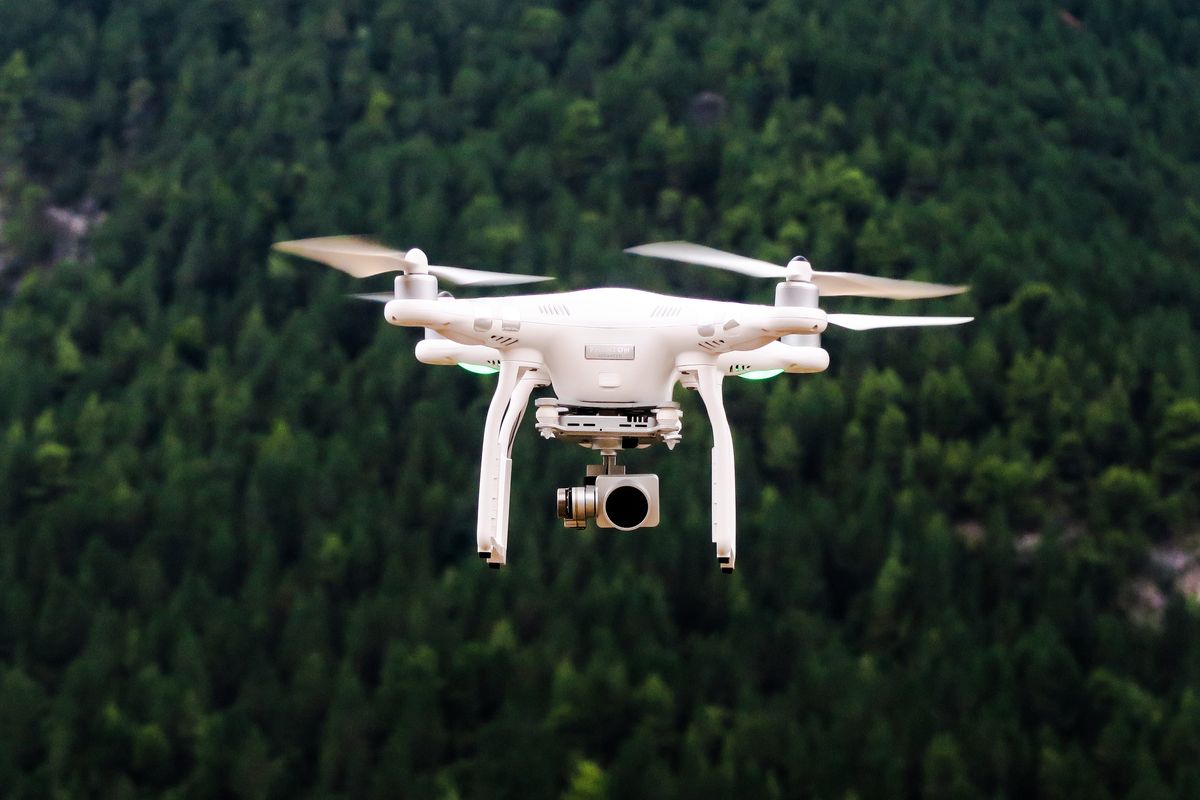
How to Prevent Drone Crashes: 8 Essential Flight Safety Tips
Preventing drone crashes is vital for protecting your equipment, ensuring public safety, and maintaining FAA compliance. Whether you are a hobbyist or a professional pilot, following these 8 essential flight safety tips will help you avoid costly mishaps and keep your drone airborne.
1. Know Your Drone’s Maximum Range
Flying beyond your control or video transmission limits is a leading cause of flyaways. Always check your manufacturer’s specs and understand the realistic operational limits of your model:
-
Toy Drones: 150 – 300 feet
-
Mid-Level Consumer Drones: 0.25 to 1.5 miles
-
FPV / Professional Drones: 4 to 5+ miles
Note: Maintaining a stable video feed transmission is critical for situational awareness.
2. Maintain Visual Line of Sight (VLOS)
Always keep your drone in sight—not just through your FPV goggles or controller screen. Maintaining VLOS is both a legal requirement and your best defense against unexpected obstacles, sudden weather shifts, or spatial disorientation.
3. Monitor Battery Levels Proactively
Power loss is a frequent cause of drone accidents. To manage battery life effectively:
-
Monitor remaining battery percentage and flight time continuously.
-
Land immediately when low-battery warnings sound—do not rely solely on automatic Return-to-Home (RTH) features.
-
Mind the weather: Cold temperatures drastically degrade battery performance.
4. Fully Utilize GPS and Calibrate Before Flight
GPS provides essential position-holding, accurate flight pathing, and RTH functionality.
-
Calibrate Compass & Gyroscope: Always calibrate before takeoff, especially in new flight locations.
-
Check Satellite Lock: Wait for a strong GPS lock before taking off to establish a precise home point.
-
Watch for Interference: Avoid flying near heavy electromagnetic fields or dense concrete structures that block signals.
5. Leverage Obstacle Avoidance Sensors
Modern drones utilize vision, infrared, and radar sensors (Detect and Avoid / DAA systems) to prevent collisions. While these sensors add a powerful layer of safety:
-
Do not rely on them blindly; small wires, tree branches, and glass can bypass sensors.
-
Keep sensors clean and unobstructed before every launch.
6. Optimize Portability Without Sacrificing Safety
When traveling or moving quickly on site, choose a setup that balances quick deployment with structural integrity. Ensure foldable arms, propellers, and sensor modules are locked securely into place before powering up.
7. Plan for Environmental and Weather Conditions
Environmental factors heavily impact flight stability and battery health:
-
Wind: Check local wind gusts; flying in high winds rapidly drains the battery and can overload motors.
-
Temperature Extremes: Keep spare batteries warm in cold weather prior to flight to avoid sudden voltage drops.
-
Pre-Flight Weather Check: Always review wind, visibility, and precipitation forecasts before launch.
8. Maintain Active Airspace Vigilance
Technology is a tool, but pilot awareness is key. Stay proactive while in command:
-
Yield Right-of-Way: Always yield to crewed aircraft and maintain a safe distance from people and property.
-
Scan the Sky: Continually scan the surrounding airspace for birds, power lines, and other aircraft.
Elevate Your Aerial Projects Safely
Ensuring safety and precision in the air takes practice and expertise. If you need professional, high-resolution aerial photography or commercial drone services, work with the FAA-certified experts at Sky View LV. Contact Sky View LV today for a free consultation.
Frequently Asked Questions
Will my drone return home automatically when its battery is low?
Most modern drones (like DJI models) feature automated Low-Battery Return-to-Home (RTH). However, entry-level consumer drones may not have this feature and can trigger an emergency landing or drop out of the sky when power runs out.
What should I do if my drone loses signal connection?
If the connection drops, stay calm. Drones equipped with GPS will automatically execute a fail-safe maneuver—usually hovering or initiating RTH (return to home)— to return to the takeoff location.
How do I calibrate my drone’s gyroscope?
Place the drone on a completely flat, level surface. Through your controller software (or manual stick commands), initiate the calibration process until the indicator lights signal completion.
Popular Posts
September 06, 2026

September 04, 2026
September 04, 2026
September 03, 2026

September 02, 2026

September 01, 2026
Comments are closed.