Real Estate Drone Photography Service Guide: Costs & Considerations
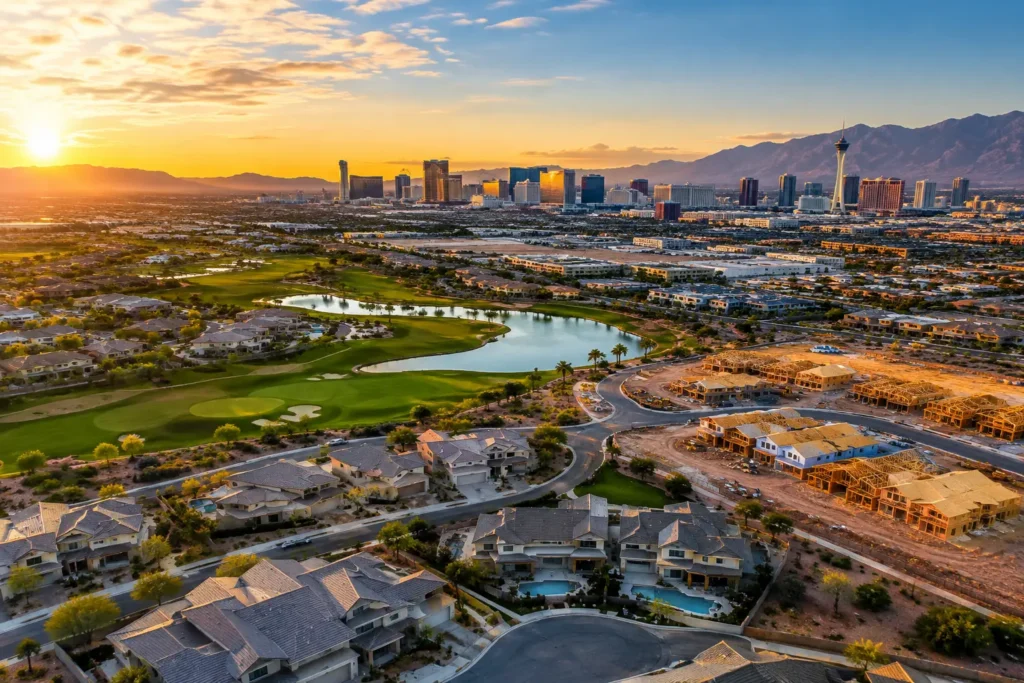
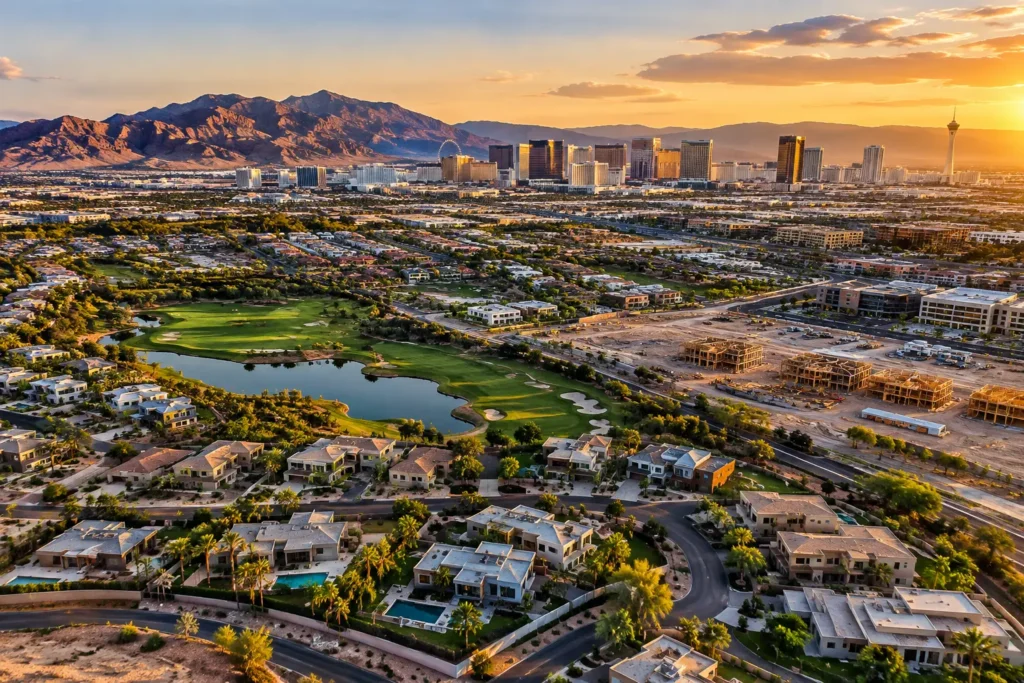
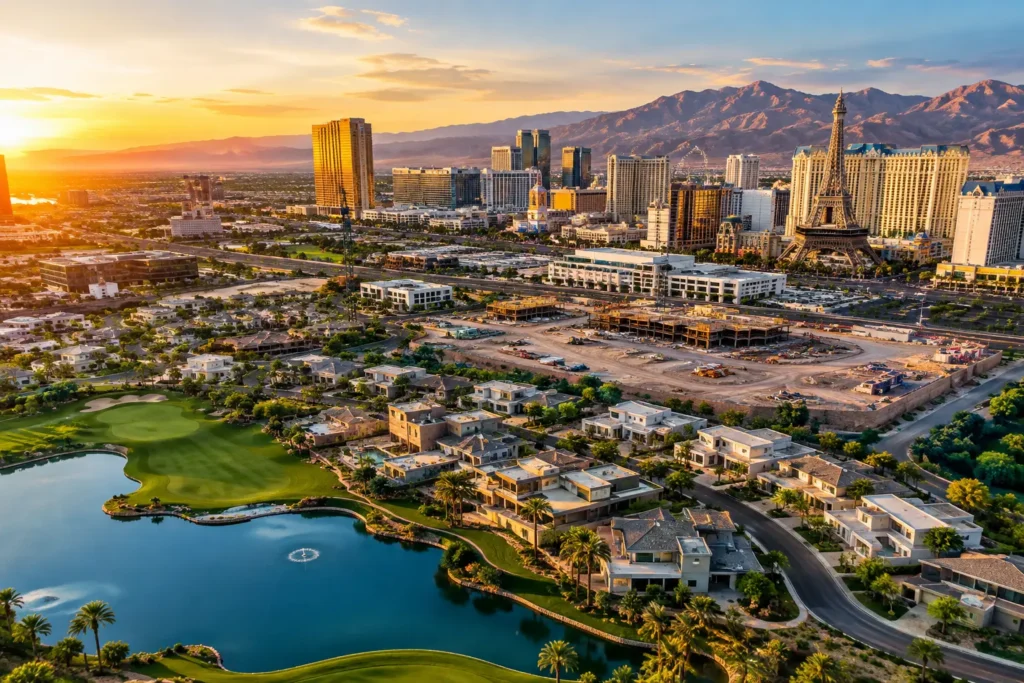
In modern real estate, capturing stunning visuals is crucial for attracting potential buyers. Real estate drone photography has emerged as a high-impact marketing tool for showcasing properties from unique angles, offering a bird’s-eye view that traditional photography simply cannot match.
This comprehensive guide explores the costs, key benefits, and legal considerations of hiring a commercial drone photography service to help you elevate your property listings and maximize ROI.
Key Takeaways
-
Unique Perspectives: Drone photography delivers dynamic aerial views that make real estate listings stand out.
-
Variable Pricing: Aerial drone service costs depend on property size, location, and post-production needs (e.g., video editing, virtual tours).
-
Legal Compliance: Always hire an FAA Part 107-certified and insured drone operator.
-
Communication is Key: Aligning with your aerial photographer on key features and angles ensures your visual vision is realized.
-
Competitive Edge: Staying up to date on aerial imaging trends helps real estate agents sell homes faster.
Understanding Real Estate Drone Photography Services
What is Real Estate Drone Photography?
Drone photography uses unmanned aerial vehicles (UAVs) equipped with high-resolution, stabilized cameras to capture aerial photos and videos. This aerial imaging technology provides perspectives that ground photography cannot capture, highlighting entire estates, neighborhood amenities, and architectural details.
Key Benefits for Real Estate Listings
Using commercial drones in real estate offers distinct visual and marketing advantages:
-
Unique Aerial Angles: Highlight property boundaries, roof conditions, and surrounding vistas.
-
Comprehensive Coverage: Rapidly capture expansive acreage, large commercial structures, or sprawling yards.
-
Enhanced Visual Marketing: Stand out on MLS listings, social media, and digital brochures to draw in serious buyers.
Types of Aerial Drone Services
When booking a commercial drone photographer, services typically fall into three categories:
-
Aerial Photography: High-resolution aerial photos of the property exterior and land.
-
Aerial Videography: Cinematic 4K video walkthroughs showcasing exterior motion and layout flow.
-
Interactive Virtual Tours: Combining aerial drone footage with 3D virtual tour software for an immersive buyer experience.
Pro Tip: Aerial imaging isn’t just about taking pictures—it’s about visual storytelling that highlights lifestyle and property context.
Real Estate Drone Photography Cost Factors
1. Property Size and Type
The layout, acreage, and square footage of a property directly impact pricing:
-
Standard Residential Homes: Lower cost due to smaller footprints and standard shoot times.
-
Luxury Listings & Mansions: Higher cost due to extensive shooting time, detailed angles, and advanced editing.
-
Commercial Properties & Land/Farms: Requires specialized flight paths, higher elevation clearance, and custom mapping.
2. Geographic Location & Travel
-
Urban & Suburban Markets: Rates may reflect higher demand and localized flight restrictions.
-
Rural Areas: Base rates may be lower, but photographers may add travel or mileage fees.
3. Add-On Services & Post-Production
Standard raw shoots cost less, but professional real estate marketing requires editing:
-
Post-Production Video Editing: Adding background music, color grading, and agent branding.
-
3D Floor Plans & Aerial Mapping: Advanced software processing for commercial or agricultural land.
Average Real Estate Drone Photography Pricing Breakdown
| Service Type | Estimated Average Cost Range |
|---|---|
| Basic Aerial Photography (10-15 Photos) | $150 – $400 per shoot |
| Aerial Videography & Editing | $250 – $600 per video |
| Comprehensive Package (Photos + Video + Virtual Tour) | $500 – $1,200+ |
Choosing the Right Drone Photographer
To ensure a seamless shoot and high-quality deliverables, evaluate potential providers using these core criteria:
Evaluate Experience and Portfolio
-
Look for photographers specializing specifically in real estate and architectural media.
-
Review their portfolio for sharp focus, natural lighting, proper horizon lines, and balanced composition.
Inspect Equipment & Editing Standards
-
Confirm they use high-resolution cameras with gimbals for multi-axis stabilization.
-
Ensure their post-processing pipeline includes HDR blending and lens distortion correction.
Legal and Safety Considerations
FAA Regulations and Part 107 Licensing
In the United States, flying a drone for commercial purposes—including real estate marketing—requires compliance with federal law:
-
FAA Part 107 Remote Pilot Certification: Ensure the pilot holds an active Part 107 license.
-
Airspace Authorizations: Certified pilots can obtain proper FAA clearance (LAANC) near airport airspace.
Insurance and Risk Mitigation
Never hire an uninsured operator. Always request proof of:
-
Commercial Drone Liability Insurance: Protects against property damage or personal injury during flights.
-
Equipment Insurance: Covers damage or loss to gear without affecting your property coverage.
Respecting Neighbor Privacy
-
Pre-Shoot Communication: Inform adjacent neighbors prior to takeoff when possible.
-
No-Fly Zones: Avoid unintentionally capturing private yards or windows of neighboring properties.
How to Maximize the Value of Your Drone Shoot
Tips for a Successful Aerial Shoot
-
Prep the Exterior: Mow lawns, remove vehicles from driveways, hide trash cans, and clear patio clutter.
-
Optimal Lighting: Schedule shoots during the “golden hours” (early morning or late afternoon) for soft, warm lighting.
-
Leverage Flight Modes: Professional pilots utilize automated orbit and tracking modes to execute ultra-smooth cinematic passes.
Setting Clear Deliverables
Before signing a contract, clarify:
-
The exact number of edited high-res photos and video clips is included.
-
Turnaround time (typically 24–48 hours for real estate shoots).
-
The revision policy for video edits or photo retouches.
Key Trends in Real Estate Drone Technology
-
Improved Sensor Resolution: Modern compact drones feature full-frame and 4K/6K sensors for crisp imagery.
-
Extended Flight Times: Longer battery performance allows more thorough property coverage in a single session.
-
Automated & VR Integration: Combining aerial drone passes with VR headsets and AI editing tools accelerates marketing workflows.
DIY vs. Hiring a Professional Drone Pilot
| Aspect | DIY Drone Shooting | Hiring a Professional |
|---|---|---|
| Upfront Cost | $400 – $1,500 (Equipment cost) | $150 – $500 (Per shoot fee) |
| Legal Compliance | Risk of FAA fines without Part 107 | Fully licensed & insured |
| Image Quality | Variable (Depends on skill/gear) | High-resolution HDR & smooth video |
| Time Investment | High (Learning curve & editing) | Low (Turnkey delivery) |
While buying a hobby drone may seem cost-effective initially, hiring a licensed professional real estate photographer guarantees fast turnaround times, legal compliance, and visuals that drive higher sales offers.
Frequently Asked Questions (FAQ)
What is real estate drone photography?
Real estate drone photography uses commercial UAVs to capture aerial photos and video tours of residential and commercial properties, offering buyers a complete view of the land, roof, and neighborhood.
How much does real estate drone photography cost?
On average, basic real estate drone photo packages range between $150 and $400, while comprehensive packages including video editing and virtual tours range from $400 to $1,000+.
Do real estate drone pilots need a license?
Yes. In the U.S., any drone operator flying for commercial purposes (including listing photos) must hold an FAA Part 107 Remote Pilot Certificate.
Final Thoughts
Investing in professional real estate drone photography elevates your marketing strategy, enhances listing engagement, and helps properties sell faster. By choosing a certified operator, prepping your property, and communicating your visual goals, you ensure the highest-quality results and the best return on investment for your real estate business.