Navigating Drone Flights and TFRs: Understanding Temporary Flight Restrictions for Safe Skies
Understanding where you can and cannot fly drones is essential. Specific areas designated as no-fly zones and Temporary Flight Restrictions (TFRs) are established to ensure safety and security. These rules can vary by situation, and knowing how to navigate them is crucial for anyone who wants to fly their drone legally and safely. Let’s explain what you need to know about drone flights and TFRs.
Key Takeaways
- No-fly zones and TFRs are areas where drone flights are restricted for safety and security reasons.
- TFRs can be temporary and are often issued for events, VIP travel, or disaster responses.
- Always check NOTAMs before flying to see any TFRs in your area.
- Violating a TFR can lead to severe penalties, including fines and license suspensions.
- Using apps and tools to stay up to date on TFRs can help prevent unintentional violations.
Understanding No-Fly Zones and TFRs
Defining No-Fly Zones
No-fly zones are areas where drone flights are entirely off-limits. These restrictions are usually permanent and protect sensitive locations. Think like this: you wouldn’t want drones flying near airports or critical infrastructure. These zones are established to maintain safety and security. Knowing where these zones are is essential before considering launching your drone. You can usually find this information in apps or on websites that provide airspace data. Ignoring these zones can lead to serious trouble, so always double-check!
Importance of TFRs
TFRs, or Temporary Flight Restrictions, are a bit different. As the name suggests, they’re temporary and deployed for a specific period. These restrictions are issued when a particular need arises to protect certain airspace for a specified period. A TFR can be issued to protect against a natural disaster, a significant sporting event, a spaceflight launch, the President or Vice President, locations critical to national security, and more. They might be in effect for events like airshows, disaster relief efforts, or VIP travel. The FAA issues these restrictions to ensure safety and prevent airspace conflicts. Checking for TFRs before each flight is essential because they can be declared quickly and without much notice. You can use the FAA B4UFLY app to check for restricted airspace.
Common No-Fly Zones
There are several types of locations that are commonly designated as no-fly zones. Here are a few examples:
- Airports: These are obvious, as drones can interfere with human-crewed aircraft.
- Military Bases: Drones are not allowed near military installations for security reasons.
- National Parks: Many national parks have restrictions to protect wildlife and the natural environment.
- Critical Infrastructure: Power plants, dams, and other essential facilities are often no-fly zones.
It’s your responsibility as a drone pilot to be aware of these restrictions and to fly safely and responsibly. Always check for updates and changes to no-fly zones and TFRs before each flight. Ignorance is not an excuse, and violating these rules can have serious consequences.
Types of Temporary Flight Restrictions
VIP Travel Restrictions
These TFRs are implemented to protect high-profile individuals, such as the President or other dignitaries, during travel. These restrictions can be imposed with little notice, so it’s essential to stay up to date. The size and scope of the TFR can vary by situation, but they typically include a no-fly zone around the protected individual’s location and travel route. It’s not just about the President; it could be any head of state visiting the country. You must check before you fly; even if it’s a spot, you always fly. These flight restrictions are serious business.
Event-Related TFRs
Event-related TFRs are common around major public gatherings, like airshows, sporting events, or concerts. The FAA implements these measures to manage air traffic and prevent safety issues. For example:
- Super Bowls
- Air Shows
- Large outdoor concerts
- Fourth of July Fireworks
These TFRs typically cover a specified radius around the event location and remain active for the duration of the event. It’s a good idea to check NOTAMs well in advance if you plan to fly near any significant event. I remember almost flying into a TFR during a local airshow. Luckily, I checked the NOTAMs the night before and changed my plans. It’s better to be safe than sorry.
Disaster Response TFRs
When natural disasters or other emergencies happen, Disaster Response TFRs are often issued. These are designed to provide a safe space for rescue and relief operations. Flying a drone in these areas without authorization is a big no-no because it can interfere with emergency responders. These TFRs might be in place after:
- Hurricanes
- Wildfires
- Earthquakes
These TFRs help keep the airspace clear for helicopters, airplanes, and other aircraft involved in the response efforts. It’s important to respect these restrictions and allow the professionals to do their jobs without any added risks. If you want to help, there are other ways to contribute, like donating to relief organizations or volunteering your time.
Navigating TFRs Effectively
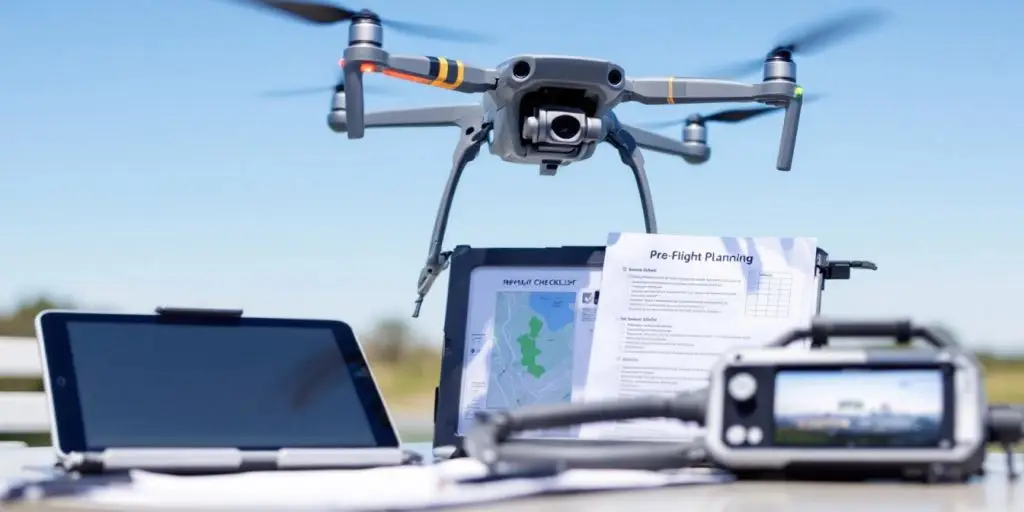
Knowing that TFRs exist is not enough; you need a solid plan for dealing with them before, during, and after your drone flights. Let’s explain how to ensure you’re always flying legally and safely.
Checking NOTAMs
NOTAMs (Notice to Airmen) are your primary source of information about TFRs. Always check NOTAMs before each flight. They’ll tell you the location, altitude, and time of any restrictions. You can find NOTAMs on the FAA website, in aviation apps, and at flight service stations. Make it a habit to review them, even if you’re flying in a familiar area, because TFRs can pop up quickly. It’s also a good idea to recheck them before you take off, just to be extra safe.
Using Geofencing Technology
Geofencing is a valuable tool that uses GPS to create a virtual boundary around a defined area. Many drones have built-in geofencing capabilities that alert you when approaching a TFR or even prevent you from entering restricted airspace. Make sure your drones’ geofencing is enabled and up to date. However, could you not rely on it entirely? Geofencing isn’t foolproof, and it’s still your responsibility to stay aware of your surroundings and comply with all applicable regulations.
Planning Your Flight
Flight planning is more than just picking a superb spot to fly. It involves carefully considering potential hazards, including TFRs. Here’s a simple checklist:
- Check NOTAMs well in advance of your flight.
- Use a flight planning app to visualize TFRs on a map.
- Identify alternative flight locations if your primary choice is affected by a TFR.
- Inform someone of your flight plan, including your location and estimated flight time.
Planning your flight is not just about avoiding TFRs; it’s about ensuring the safety of yourself, your drone, and the people around you. A well-planned flight is a safe flight.
Consequences of TFR Violations
Legal Penalties
You messed up and flew your drone into a Temporary Flight Restriction (TFR). What happens now? Well, it’s not good. The FAA doesn’t take TFR violations lightly, and the penalties can be harsh. We’re talking about potential fines, suspension, or even revocation of your drone pilot certificate, and sometimes criminal charges. The exact penalty depends on a few things, like the type of TFR, whether the violation was intentional, and your history as a pilot.
- Fines can reach upwards of $100,000.
- Certificate suspension can range from a few months to permanent revocation.
- Criminal charges can even lead to jail time, especially for repeat offenders or egregious violations.
Ignorance isn’t an excuse. Claiming you didn’t know about the TFR won’t get you off the hook. It’s your responsibility to check for TFRs before every flight. So, always check official aviation notices before you fly.
Impact on Drone License
A TFR violation can still significantly impact your drone license even if you avoid the most severe penalties. At a minimum, you can expect a suspension, meaning you won’t be able to fly your drone for some time legally. The length of the suspension will depend on the severity of the violation. A second violation could permanently revoke your license, effectively ending your career as a drone pilot. It’s just not worth the risk. Think about it: Are you losing your ability to fly because you didn’t take a few minutes to check for TFRs? That’s a tough pill to swallow.
Safety Risks
Beyond the legal and professional consequences, violating a TFR can create serious safety risks. TFRs are often implemented to protect aircraft operating in the area, such as emergency responders, VIP transport, or air shows. Flying a drone in a TFR can interfere with these operations, potentially leading to a collision or other accident. Imagine your drone colliding with a helicopter responding to a natural disaster – the consequences could be devastating. It’s not just about you; it’s about the safety of everyone in the air and on the ground. Always prioritize safety and respect flight following regulations.
Resources for Drone Pilots
FAA Guidelines
Okay, so you want to fly a drone without getting into trouble? The FAA is your friend…sort of. They have all the rules, and it’s your job to know them. The FAA website is the primary source for official guidelines.
- Start with the FAA’s DroneZone portal for registration and waivers.
- Read up on Part 107 regulations if you’re flying for commercial purposes.
- Keep an eye out for updates because things change frequently.
It’s easy to get overwhelmed by all the rules, but trust me, it’s better to spend some time reading than to pay a huge fine later. Plus, knowing the rules makes you a better, safer pilot.
Mobile Apps for TFR Updates
Your phone is your best friend when it comes to drone flying. There are several apps that can help you avoid trouble, especially when it comes to TFRs. These apps use your location to show you any restrictions in the area.
- B4UFLY is a popular choice for checking airspace restrictions.
- AirMap offers airspace maps and real-time alerts.
- UAV Forecast provides weather information and flight conditions.
Community Forums
Don’t underestimate the power of the drone community! There are many online forums and groups where you can ask questions, share tips, and learn from other pilots. It’s a great way to stay up to date on the latest news and regulations. Plus, you can find people to fly with!
- Check out Drone Deploy forum for discussions on mapping and surveying.
- Look for local drone groups on Facebook or Meetup.
- Follow drone news sites like Drone DJ and DroneLife for industry updates.
Best Practices for Safe Drone Flights
Pre-Flight Planning
Before you launch your drone, you must plan. I mean, seriously. It’s not just about charging the batteries and hoping for the best. Proper preflight planning is the foundation of safe drone operation.
- Check the weather: wind, rain, snow – all bad news. Don’t fly if conditions are iffy.
- Scout your location. Look for obstacles like trees, power lines, and buildings. Make sure you have a straightforward takeoff and landing area.
- Review drone regulations. You need to know the rules of the sky.
I remember this one time, I didn’t check the wind properly, and my drone ended up in a tree. It took me like an hour to get it down. Lesson learned: always plan ahead!
Staying Informed
Staying informed is super important. Things change, and you need to keep up. Knowing the rules is not enough; you must also be aware of any temporary changes or hazards.
- Check NOTAMs (Notices to Airmen) before every flight. These will tell you about temporary flight restrictions (TFRs) or other important information.
- Use a reliable app that provides real-time airspace information. There are many, so find one you like and trust.
- You should monitor local news and social media for potential issues or events that could affect your flight.
Emergency Procedures
Stuff happens. Drones can malfunction, batteries can die, and you might lose signal. It’s important to know what to do in an emergency. Having a plan can make all the difference.
- Know how to initiate a return-to-home (RTH) sequence. This can save your drone if you lose the signal.
- Practice emergency landing procedures. Find a safe spot to land your drone quickly if needed.
- Carry a first-aid kit and know basic first aid. You never know when you might need it.
Safety should always come first when flying drones. To ensure a smooth and secure flight, follow these simple tips: check the weather, keep your drone in sight, and avoid crowded areas. Always respect local laws and regulations. For more detailed advice and resources on safe drone flying, visit our website today!
What are Temporary Flight Restrictions?
Wrapping Up: Staying Informed and Safe
Ultimately, tracking Temporary Flight Restrictions (TFRs) is essential for anyone flying a drone. These rules can change quickly, so checking for updates before you take off is smart. Whether it’s a big event or a natural disaster, knowing where you can and can’t fly helps keep everyone safe. Don’t forget to look at NOTAMs and use tools that show TFRs in real time. It might seem like a hassle, but avoiding fines or worse is worth it. Before you launch your drone, ensure you’re aware of any restrictions in your area. Fly smart and stay safe!
Frequently Asked Questions
What are no-fly zones?
No-fly zones are designated areas where drones are prohibited. They are designed to protect critical locations and ensure safety.
What are Temporary Flight Restrictions (TFRs)?
Temporary Flight Restrictions (TFRs) are short-term rules that limit aircraft operations in designated areas for specific events or situations.
How can I find out if there is a TFR in my area?
You can check for TFRs by looking at NOTAMs (Notices to Airmen) that provide updates on airspace restrictions.
What happens if I fly into a TFR?
If you accidentally fly into a TFR, you could face penalties, including fines or a suspension of your drone license.
Are there any exceptions to TFRs?
Sometimes, pilots can enter TFR areas if they follow specific rules listed in the NOTAM for that TFR.
Where can I find more information on drone flying regulations?
You can find helpful information on the FAA website, which has guidelines and updates for drone pilots.
Popular Posts
August 13, 2026
August 12, 2026
August 11, 2026

August 09, 2026
August 09, 2026
August 08, 2026
Comments are closed.