Drone Safety Plan
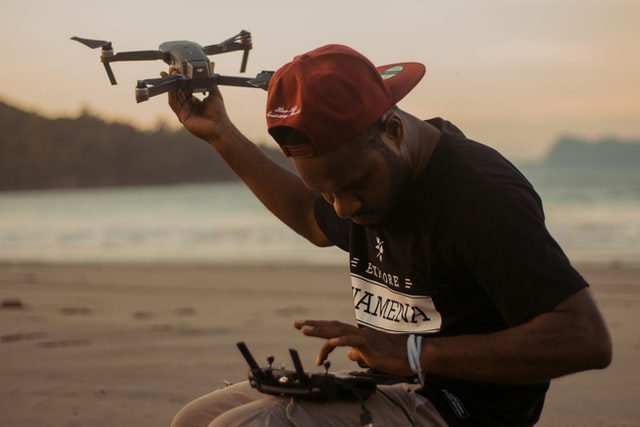
How to Create an Effective Drone Safety Plan: The Ultimate Compliance & Flight Guide
Whether you operate an Unmanned Aerial Vehicle (UAV) for weekend photography or run commercial drone missions, maintaining safety is paramount. Understanding US drone rules and regulations allows you to enjoy flying while protecting people, property, and your investment.
Developing a formal drone safety plan is a structured roadmap for managing risks, avoiding costly legal penalties, and maintaining regulatory compliance with the Federal Aviation Administration (FAA).
Why Is a Drone Safety Plan Essential?
A drone safety plan establishes standardized procedures for pre-flight inspections, flight management, and emergency response. Beyond mitigating physical risks, a robust safety strategy helps you:
-
Prevent Accidents & Flyaways: Minimize structural damage, equipment failure, and pilot error.
-
Ensure Regulatory Compliance: Stay compliant with FAA Part 107 guidelines, Remote ID enforcement, and airspace restrictions.
-
Protect Personal & Commercial Liability: Reduce financial vulnerability in the event of property damage or injury.
-
Build Public & Client Trust: Demonstrate professional responsibility regarding safety, privacy, and data security.
1. Risk Assessment & Hazard Identification
Before taking to the air, evaluate potential operational hazards. Perform a site risk assessment considering:
-
Environmental Conditions: Check wind speeds, visibility, temperature, and precipitation forecasts before departure.
-
Surrounding Structures: Note power lines, tall buildings, trees, and potential sources of electromagnetic interference.
-
Bystanders & Property: Maintain safe standoff distances from crowds, moving vehicles, and non-participants.
-
Privacy Considerations: Be mindful of sensitive areas, such as residential neighborhoods or private property, to ensure ethical flying and protect personal privacy.
2. Standardized Drone Safety Procedures & Checklists
Routine pre-flight and post-flight procedures drastically reduce operational risks.
Pre-Flight Checklist Highlights
-
Hardware Inspection: Check propellers for cracks, verify motor housing integrity, and ensure the battery is securely mounted with no signs of swelling.
-
Firmware & Connectivity: Verify drone firmware is up to date, calibrate the compass/IMU if necessary, and check signal strength.
-
Failsafe Settings: Confirm your Return-to-Home (RTH) altitude is set above local obstacles.
-
Emergency Procedures: Define protocols for signal loss, low-battery warnings, or unexpected manned aircraft entering your flight zone.
3. Training, Certifications, and Pilot Education
A safe flight starts with a qualified remote pilot.
-
Recreational Pilots: Must pass the TRUST (The Recreational UAS Safety Test) before flying and register any drone weighing over 250 grams.
-
Commercial Pilots: Must obtain an FAA Part 107 Remote Pilot Certificate and complete mandatory recurrent training.
-
Continuous Education: Practice basic maneuvers, hover controls, and emergency manual landings regularly in low-risk environments.
4. Navigating Airspace & Restricted No-Fly Zones
Violating airspace rules can result in severe federal fines and the revocation of a certificate. Always know where you are flying:
-
Controlled Airspace: Use FAA-approved LAANC (Low Altitude Authorization and Notification Capability) services or the FAA DroneZone to secure authorization before entering controlled airspace.
-
Restricted Airspace: Strictly avoid airports, military bases, critical infrastructure sites, and temporary flight restrictions (TFRs).
-
National Parks: Flying drones in U.S. National Parks is generally prohibited without specific permits to protect wildlife and park visitors.
5. Insurance, Liability, and Legal Safeguards
Liability considerations are vital for any comprehensive safety program.
-
Hull Insurance: Covers repair or replacement costs for damage to your drone system.
-
Liability Insurance: Protects against claims for third-party bodily injury or property damage during operations.
-
Record Keeping: Maintain detailed flight logs, maintenance records, and pilot certifications to prove compliance in the event of an audit or incident.
6. Data Security, Privacy, and Surveillance
Drones equipped with high-resolution cameras collect vast amounts of imagery.
-
Data Protection: Encrypt sensitive media storage, back up flight data securely, and keep mobile control apps up to date.
-
Respectful Capture: Avoid recording individuals where they have a reasonable expectation of privacy, and obtain written consent when filming commercial projects on private property.
7. Incident Reporting & Continuous Plan Updates
A drone safety plan is a living document.
-
Incident Reporting: In the event of a crash, injury, or property damage exceeding regulatory thresholds, report the incident promptly to the FAA or local law enforcement.
-
Post-Incident Analysis: Investigate equipment failure or human error to update your safety checklist and prevent future occurrences.
-
Regulatory Updates: Periodically review FAA policies, Remote ID compliance updates, and local ordinances to ensure your plan stays current.
FAA “Fly RIGHT” Principles
Adhering to core FAA guidelines ensures safe airspace sharing for everyone:
-
R – Register Your Drone: Register all commercial drones and any recreational drone weighing over 250 grams via FAA DroneZone.
-
I – Interact With Community: Join local FAA-recognized Community-Based Organizations (CBOs) and online forums to stay informed.
-
G – Gain Knowledge: Review safety rules and regulations regularly on faa.gov/uas.
-
H – Have a Safety Plan: Always check airspace using B4UFLY or an approved LAANC provider, monitor weather, and inspect your equipment.
-
T – Trust & Test: Complete the free online TRUST test for recreational flying or maintain your Part 107 certification for commercial operations.
Frequently Asked Questions (FAQ)
What are the main legal requirements for flying a drone in the US?
Requirements depend on your flight purpose. Recreational flyers must pass the TRUST test, register drones over 250g, and follow CBO guidelines. Commercial operators must hold an FAA Part 107 certificate, comply with Remote ID rules, and register all drones regardless of weight.
How do I check for airspace restrictions before flying?
Use FAA-approved applications like B4UFLY or LAANC service providers (such as Aloft or Airspace Link) to verify flight restrictions and obtain automated authorizations in real time.
What should I do if my drone loses connection mid-flight?
Allow the automated Return-to-Home (RTH) protocol to initiate. If manual override is needed, follow the manufacturer’s instructions, monitor the landing area, and warn bystanders to stand clear.
Can I fly my drone in US National Parks?
No. Flying drones in national parks is banned under 36 CFR 1.5 unless you have explicit written permission from the park superintendent.
Final Thoughts
Prioritizing safety isn’t just about compliance—it’s about protecting your drone, your reputation, and the public. By executing a comprehensive safety plan, keeping pre-flight checklists handy, and keeping up with evolving regulations, you can fly confidently every time you take to the skies.
Popular Posts
August 11, 2026
August 09, 2026
August 09, 2026
August 08, 2026
August 07, 2026
August 05, 2026
Comments are closed.