Eye in the Sky : The Benefits of Drones for Home Inspection’s
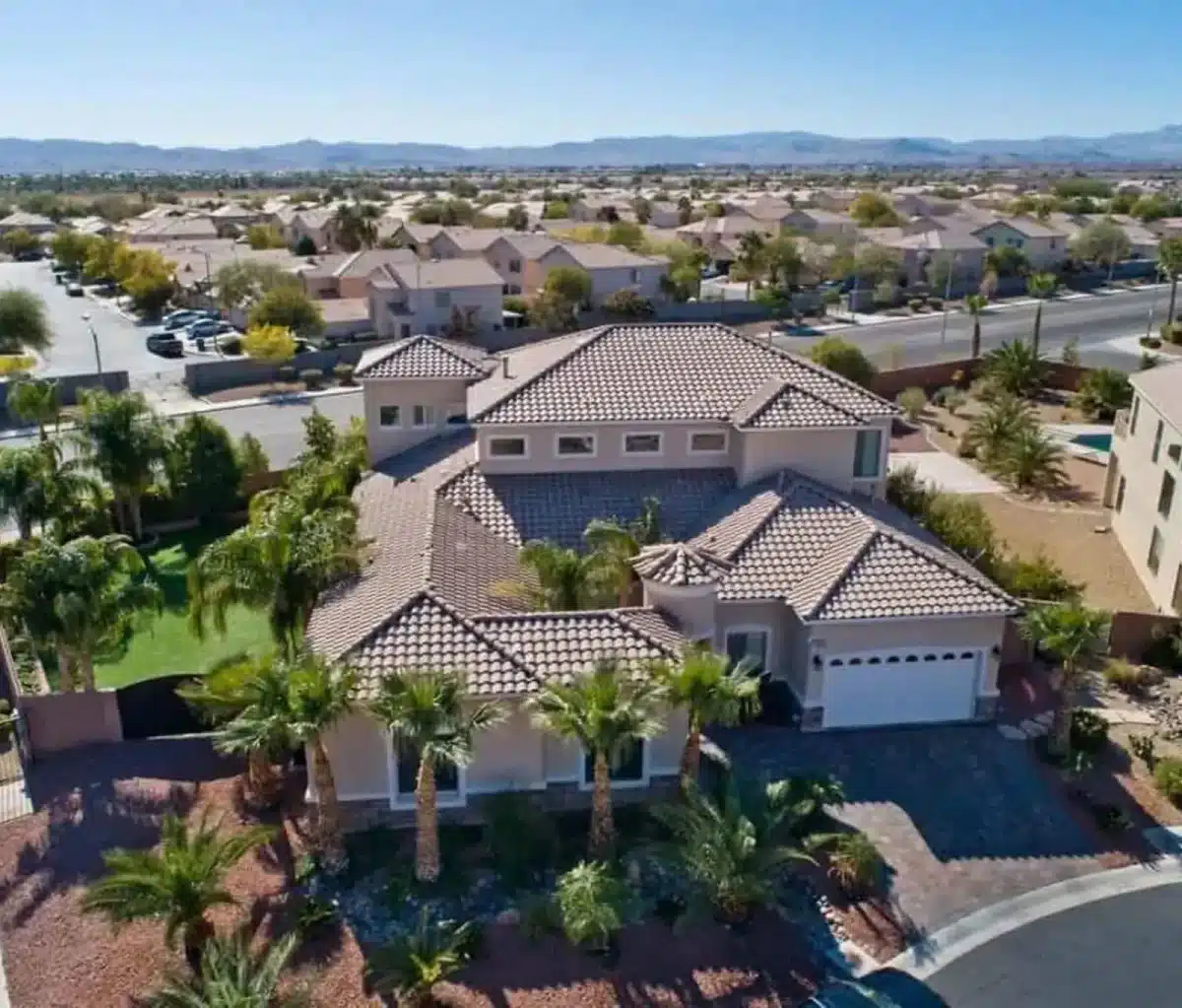
Drone’s Eye in the Sky: The Key Benefits of Drones for Home Inspections
Drone technology has advanced rapidly in recent years. Gone are the days when unmanned aerial vehicles (UAVs) were strictly reserved for military operations or specialized commercial fields. Today, the U.S. drone industry is projected to reach over $13 billion, seamlessly integrating into everyday business practices—especially in real estate.
Drones have completely revolutionized how residential and commercial property assessments are conducted, replacing risky ladder climbs with fast, high-definition aerial footage.
What is a Drone Home Inspection?
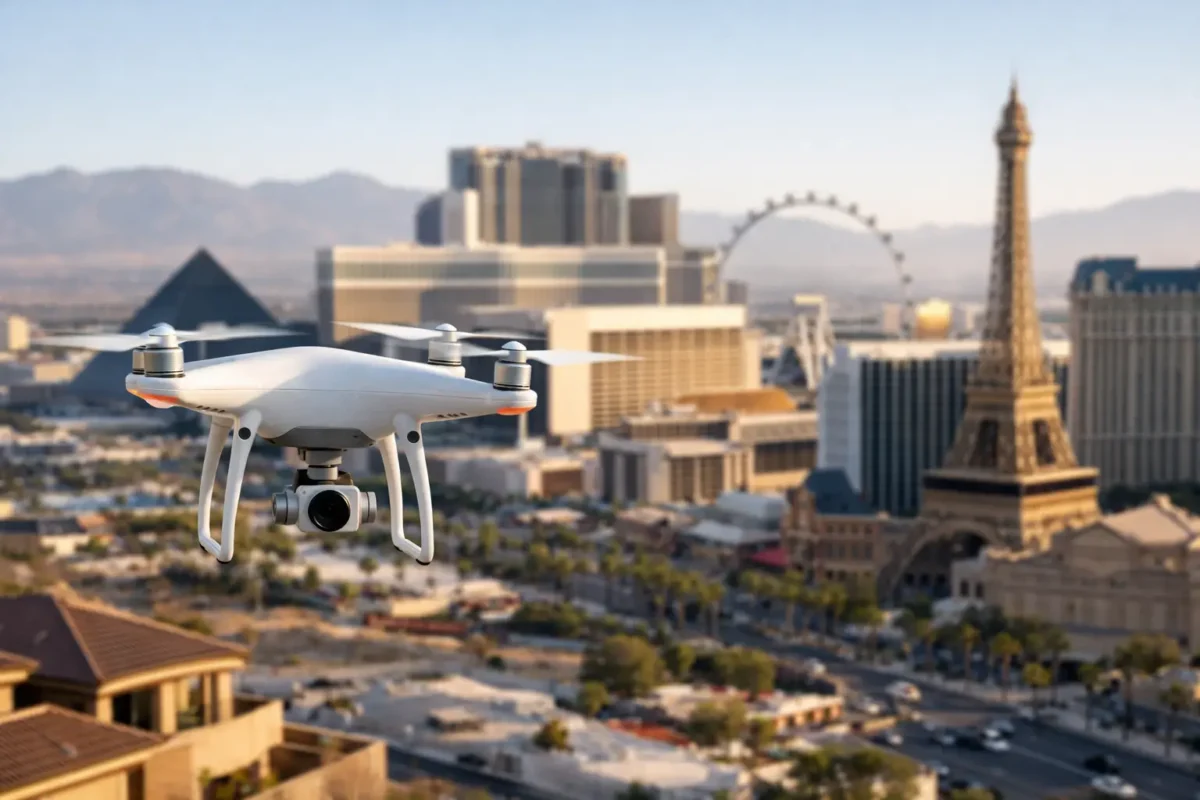
A drone home inspection utilizes a small, remotely operated unmanned aircraft equipped with high-resolution 4K cameras, thermal imaging, or specialized sensors. Controlled by a certified operator, the drone captures clear aerial photographs and videos of a property from angles that were previously impossible or unsafe to reach manually.
The Top Benefits of Using Drones for Home Inspections
1. Increased Safety for Inspectors
Safety is one of the most compelling advantages of aerial inspections. Assessing steep roofs, multi-story buildings, or structurally degraded chimneys carries inherent physical risks. Drones eliminate the need for inspectors to physically climb ladders or walk on unsafe surfaces, drastically reducing the risk of falls and workplace injuries.
2. Cost-Effective Property Assessments
Traditional inspections of difficult-to-reach areas often required renting specialized, expensive equipment like scaffolding, bucket trucks, or cherry pickers. Drones eliminate these costly logistics, keeping inspection costs lower for both home buyers and sellers.
3. Enhanced Speed and Efficiency
A comprehensive exterior inspection that once took hours can now be completed in a fraction of the time. Drones can scan an entire roof, gutter system, and high exterior walls in minutes, speeding up turnaround times for final inspection reports.
4. Superior Precision and Detail
Modern drone cameras shoot in high-definition 4K, allowing inspectors to zoom in on minute details:
-
Cracked roof tiles or torn shingles
-
Flashing defects around chimneys and vents
-
Early signs of water pooling or solar panel damage
-
Exterior facade wear and foundation hairline cracks
5. Access to Inaccessible Areas
Some architectural features are simply beyond the reach of a human inspector. Drones can effortlessly hover above high-rise chimneys, steep-pitched roofs, or overhanging trees to perform complete, uncompromised structural evaluations.
Challenges and Limitations of Drone Inspections
While drone technology offers massive advantages, it does come with specific operational guidelines:
-
Regulatory Compliance: Commercial drone pilots must strictly adhere to local aviation rules (such as FAA Part 107 certification in the United States) and secure proper airspace clearances.
-
Weather Dependency: Heavy rain, dense fog, or high winds can affect flight stability and camera clarity, occasionally requiring flight rescheduling.
-
Operator Skill & Technical Expertise: Capturing actionable inspection data isn’t just about flying; pilots must know how to maneuver close to structures safely and interpret aerial data accurately.
The Future of Aerial Property Assessments
As drone imagery, battery life, and AI-powered flight stability continue to evolve, aerial inspections will only become more detailed and precise. From routine pre-purchase home inspections to specialized commercial roof assessments, drones are setting the new standard for modern real estate evaluations.
Looking for a Certified Las Vegas Drone Pilot?
While anyone can buy a drone, commercial property and roof inspections require precision, certification, and proper insurance.
Don’t leave your real estate investment to chance. For fast, reliable, and high-definition aerial property inspections, trust the FAA-approved experts at Sky View LV. Contact our team today to schedule your aerial inspection!
Popular Posts
August 24, 2026

August 23, 2026
August 22, 2026
August 20, 2026
August 19, 2026

August 18, 2026
Comments are closed.