Most Popular Applications of Commercial Drones
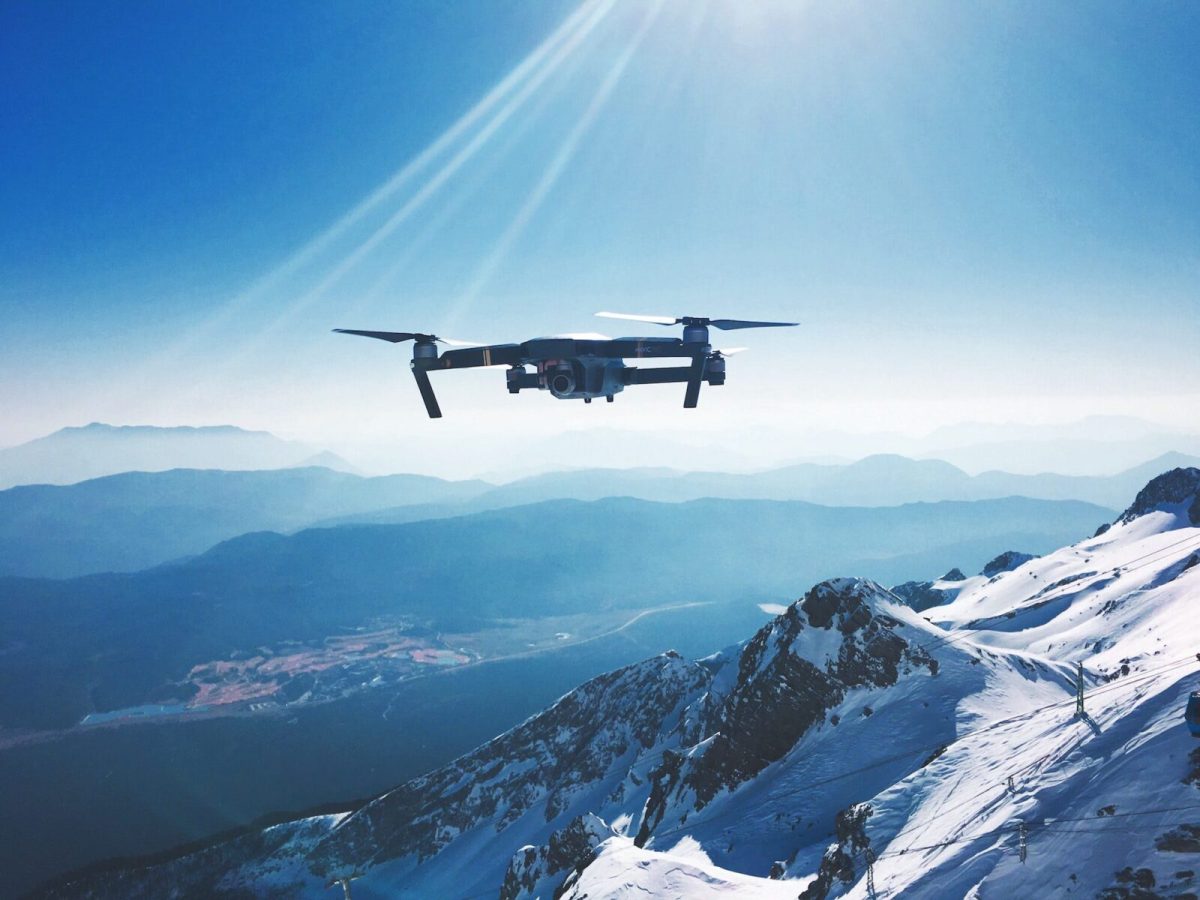
10 Most Popular Applications of Commercial Drones Across Industries
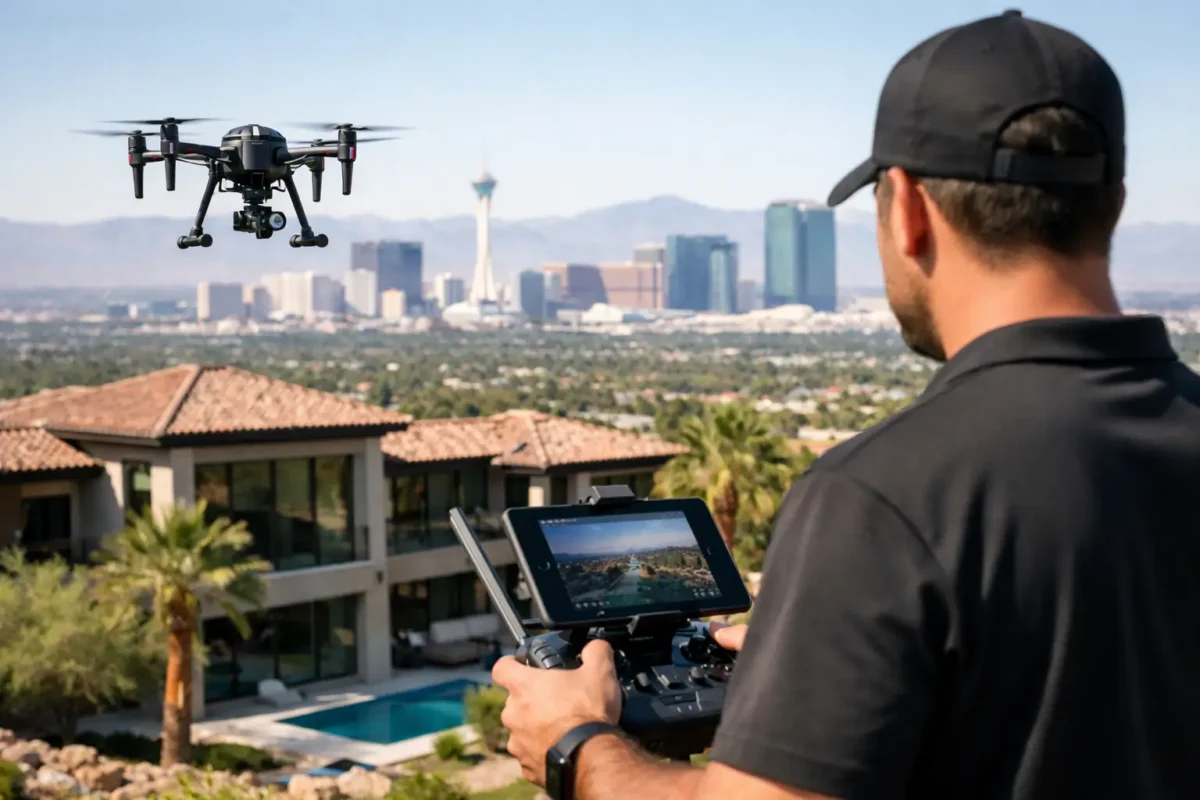
Commercial drones (Unmanned Aerial Vehicles, or UAVs) are transforming how businesses operate worldwide. From enhancing safety and cutting operational costs to capturing high-definition aerial data, commercial drone technology has quickly moved from a novelty to an essential business tool.
While drone applications in industries like real estate and construction are widely recognized, UAVs are also making a massive impact in unexpected sectors. Below, we explore the most popular applications of commercial drones today and how they are redefining traditional workflows.
1. Professional Aerial Photography & Videography
Aerial photography was one of the earliest and remains one of the most popular applications of commercial drones. Whether capturing stunning promotional visuals for tourism or hiring professional aerial photographers for high-end events, drones provide angles that traditional photography simply cannot replicate. High-resolution sensors and stabilization features allow commercial photographers to produce crisp, publication-ready images effortlessly.
2. Filmmaking & Cinema Production
The film industry has embraced drone technology to capture complex cinematic shots that previously required expensive helicopter rentals, crane setups, or risky maneuvers. Drones offer camera crews unprecedented flexibility, smooth stabilization, and the ability to fly through tight spaces, dramatically lowering production costs while elevating visual storytelling.
3. Media Reporting & Sports Broadcasting
News outlets and sports broadcasters leverage commercial drones for rapid-response reporting and live event coverage. In sports broadcasting, drones provide dynamic, real-time aerial views of stadiums and outdoor tracks with minimal setup time, delivering an immersive viewing experience for fans worldwide.
4. Aerial Surveying & Land Mapping
Land surveying is another top commercial application for UAVs. Drones equipped with LiDAR and photogrammetry tools can map hundreds of acres in a fraction of the time required by traditional ground survey teams.
-
Agriculture: Farmers use drones to analyze crop health, monitor irrigation, and manage yield.
-
Hazardous Environments: Drones easily survey dangerous terrain—such as open-pit mines or unstable cliff sides—keeping personnel safe from potential hazards.
5. Emergency Response & Search and Rescue (SAR)
In emergency situations, every second counts. First responders, firefighters, and law enforcement agencies use drones equipped with thermal imaging to locate survivors in collapsed buildings, assess post-disaster damage (such as after earthquakes), and track the spread of wildfires in real time.
Note: Because mission-critical drones are exposed to extreme environments, proper maintenance and climate-controlled storage solutions are essential to ensure equipment reliability during emergency deployments.
6. Real Estate & Exterior Building Inspections
Roof and structural inspections are notoriously hazardous. Commercial drones allow real estate agents, property managers, and inspectors to detect wall cracks, thermal leaks, water damage, and structural defects without putting workers on ladders or scaffolding. Highlighting detailed aerial views through real estate drone services also helps properties sell significantly faster.
7. Infrastructure & Civil Engineering
On large-scale engineering and construction projects, drones are vital for site monitoring, progress tracking, and volumetric calculations (such as stockpile measurements). Daily or weekly drone flights allow project managers to compare actual progress against CAD designs, catch errors early, and keep multi-million-dollar projects on schedule.
8. Perimeter Security & Surveillance
Traditional CCTV systems often suffer from fixed blind spots. Mobile security drones equipped with automated flight paths offer continuous, 360-degree perimeter protection for high-value assets, construction sites, and remote facilities. Experts predict security drones will soon become standard for monitoring storage facilities and securing critical cargo shipments in transit.
9. Drone Logistics & Last-Mile Delivery
While still evolving, drone delivery is rapidly expanding in the logistics sector. E-commerce platforms and healthcare providers are deploying autonomous drones for fast, short-range delivery of small packages, hot food, and critical medical supplies, significantly reducing last-mile delivery times and urban road congestion.
The Future of Commercial Drone Applications
From creative aerial photography to life-saving search-and-rescue operations, commercial drones have proven their value across virtually every major industry. As battery life improves, payload capacities increase, and regulatory frameworks evolve, we can expect commercial UAVs to unlock even more innovative applications in the near future.
Popular Posts
August 25, 2026
August 24, 2026

August 23, 2026
August 22, 2026
August 20, 2026
August 19, 2026
Comments are closed.