Top Tips for Capturing Stunning Drone Footage:
Choose the Right Location
Research the area beforehand
Before you take your drone out for a spin, it’s essential to research the area you plan to fly in. This includes checking for no-fly zones or restricted airspace and familiarizing yourself with local laws and regulations governing drone use. Additionally, researching the area can help you identify potential obstacles or hazards that could affect your flight, such as power lines or tall buildings. By doing your homework beforehand, you can ensure a safe and successful flight while also capturing stunning footage.
Consider the weather conditions.
When capturing stunning drone footage, weather conditions play a crucial role. Watching the weather forecast before heading out for a shoot is essential. Windy conditions can make it difficult to control the drone and may result in shaky footage. Rain or snow can damage the drone’s electronics and camera, so it’s best to avoid flying in these conditions. On the other hand, clear skies and calm winds can provide ideal conditions for capturing high-quality footage. Always prioritize safety and avoid flying in extreme weather conditions.
Look for unique perspectives.
One of the most significant advantages of using a drone for filming is the ability to capture unique perspectives that would be impossible to achieve with traditional cameras. To make the most of this advantage, thinking outside the box and exploring different angles and heights is essential. For example, you could fly your drone low to the ground to capture a subject from a worm’s-eye view, or fly it high above to capture a bird’s-eye view. You could also try flying your drone through tight spaces or around obstacles to create a sense of movement and excitement in your footage. You can create stunning and memorable drone footage by experimenting with different perspectives.
Master the Controls
Practice flying in an open area.
Before you start capturing stunning drone footage, practice flying your drone in an open area. This will help you familiarize yourself with the controls and maneuver the drone in different directions. Find an open, ample space, such as a park or field, where you can fly your drone without obstacles or people nearby. Start with basic movements such as ascending, descending, and hovering. Once you feel comfortable with these movements, you can move on to more advanced techniques, such as flying in different patterns and capturing smooth footage. Always follow safety guidelines and regulations when flying your drone.
Learn how to use the camera controls.
Learning how to use camera controls is crucial for capturing stunning drone footage. Most drones offer a range of camera settings, including aperture, shutter speed, ISO, and white balance. Understanding how to adjust these settings can help you achieve the desired exposure and color balance in your footage. Additionally, mastering the camera controls can help you capture smooth and stable footage by adjusting the drone’s gimbal settings. Take the time to experiment with different camera settings and practice changing them while flying your drone to achieve the best results.
Use manual settings for more control.
Using manual settings on your drone camera can give you more control over the footage you capture. This is especially important when shooting in challenging lighting conditions, such as sunrise or sunset. Adjusting the aperture, shutter speed, and ISO manually helps ensure your footage is exposed correctly and free of unwanted noise or blur. Using manual focus can also help you achieve a sharper image and highlight specific elements in your shot. While it may take some practice to master manual settings, the results are well worth the effort.
Plan Your Shots
Create a shot list.
Creating a shot list is essential for capturing stunning drone footage. It helps you plan your shots and ensures you don’t miss any critical moments. Start by identifying the key elements of your video, such as the location, the subject, and the mood you want to convey. Then, break down your shots into categories, such as establishing shots, close-ups, and action shots. This will help you stay organized and focused during your shoot. Don’t forget to leave some room for improvisation, as some of the best pictures can come from unexpected moments.
Think about the story you want to tell.
Before you start flying your drone, it’s essential to think about the story you want to tell with your footage. Consider the purpose of your video and what message you want to convey to your audience. Are you trying to showcase a beautiful landscape or capture an event from a unique perspective? Once you have a clear idea of the story you want to tell, you can plan your shots accordingly and ensure that your footage is cohesive and engaging. Remember, the best drone footage tells a story and evokes emotion in the viewer. Take the time to consider your message and how you can use your drone to capture it in a visually compelling way.
Consider the movement of the drone.
When capturing drone footage, it’s essential to account for the drone’s motion. You want to ensure the drone’s movements are smooth and steady so the footage doesn’t appear shaky or jerky. One way to achieve this is by using a gimbal, which helps stabilize the camera and reduce vibration. Additionally, you should plan your flight path and avoid sudden maneuvers or changes in direction. By taking these steps, you can ensure that your drone footage is visually stunning and easy to watch.
Use Filters and Editing
Experiment with different filters
Experimenting with different filters is a great way to add a unique touch to your drone footage. Filters can enhance your footage’s colors, contrast, and saturation, giving it a more cinematic look. Some popular filters include polarizers, ND filters, and color grading filters. Polarizers can reduce glare and reflections, while ND filters can help you achieve a more natural-looking motion blur. Color grading filters can add a specific color tone to your footage, such as a warm orange or a cool blue. Note that filters can also affect your footage’s exposure, so adjust your camera settings accordingly. Don’t be afraid to experiment with different filters and see what works best for your footage.
Adjust the color and exposure.
Adjusting the color and exposure of your drone footage can make a massive difference in the final product. It’s essential to ensure the colors are accurate and vibrant, and the exposure is balanced to avoid over- or underexposure. Many drones come with built-in color profiles that can be adjusted to suit your needs, or you can use editing software to fine-tune the colors and exposure after the fact. Remember that different lighting conditions may require further adjustments, so be prepared to experiment and adjust as needed. You can take your drone footage from good to great with a few tweaks.
Use editing software to enhance the footage.
Once you have captured your drone footage, it’s time to enhance it using editing software. Many options are available, from essential free software to more advanced paid programs. Some popular choices include Adobe Premiere Pro, Final Cut Pro, and DaVinci Resolve. With editing software, you can adjust the color grading, add music or sound effects, and even stabilize shaky footage. It’s essential to avoid overediting, as too many effects can detract from the footage’s natural beauty. Use editing software to enhance your footage and showcase the stunning views captured by your drone.
Follow Safety Guidelines
Check for any flight restrictions.
Before taking off with your drone, you must check for any flight restrictions in the area you plan to fly. This includes checking for no-fly zones, such as airports or military bases, and any local regulations or ordinances. Some sites may require a permit or special permission to fly a drone, so it’s important to research beforehand to avoid legal issues. Additionally, be aware of any wildlife or protected areas in the vicinity; disturbing them can result in fines or other penalties. By checking for flight restrictions, you can ensure a safe and legal flight while capturing stunning footage.
Keep the drone in sight at all times.
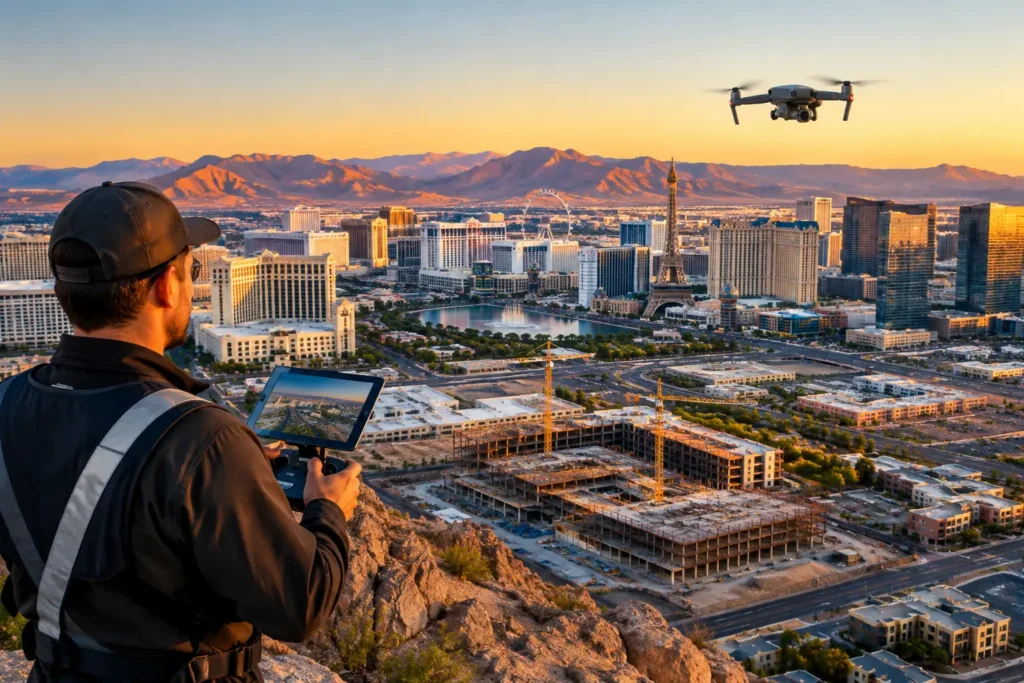
One of the most essential rules of flying a drone is always to keep it in sight. This means you should never fly your drone beyond your line of sight or out of range of your remote control. Losing sight of your drone can lead to accidents and crashes, resulting in losing it. To ensure you always have a clear view of your drone, fly in an open area with minimal obstructions. Additionally, you should avoid flying in areas with poor visibility, such as during fog or rain. By keeping your drone in sight at all times, you can capture stunning footage while also ensuring the safety of yourself and others. Shoot better videos with a drone.
Avoid flying near people or animals.
When flying a drone, you must be mindful of your surroundings and avoid flying near people or animals. It is not only a safety concern but also a privacy issue. Always check local laws and regulations on drone use in your area, and obtain any required permits or permissions before flying. Additionally, it’s essential to respect others’ privacy and avoid flying over private property without permission. By being respectful and responsible, you can capture stunning drone footage.
If you’re ready to take your drone footage to the next level, it’s time to invest in a high-quality drone and accessories. Skyview LV offers a wide range of drones and accessories to suit every budget and skill level. Whether you’re a beginner or an experienced drone pilot, we have everything you need to capture stunning aerial footage. Visit our website today to browse our selection and take the next step in your drone photography journey.