What Is Drone Fleet Management?
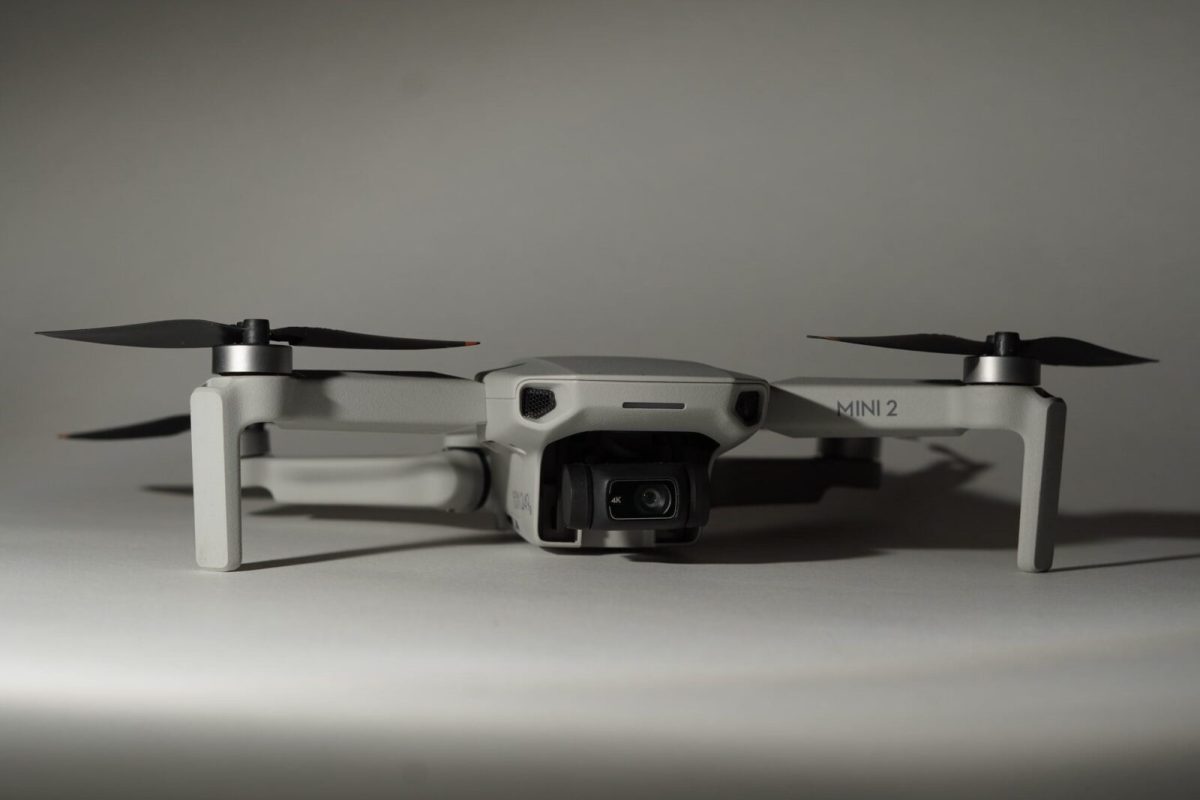
What Is Drone Fleet Management? A Complete Guide to Scaling UAV Operations
Drones have revolutionized commercial operations across industries. Lightweight, intelligent, and versatile, Unmanned Aerial Vehicles (UAVs) are changing how modern enterprises approach logistics, site monitoring, and asset management.
For forward-thinking businesses in the United States, navigating drone operations is becoming far easier as regulatory pathways and technical capabilities mature. To stay competitive, companies need to understand the core infrastructure behind commercial drone operations: Drone Fleet Management.
Essentially, drone fleet management enables organizations to track, coordinate, and optimize multi-drone activities across their supply chain. If your business already manages ground vehicles, warehouse facilities, and technical staff, integrating a drone fleet into your workflow is straightforward.
What Is Drone Fleet Management?
Drone fleet management is the centralized control, oversight, and maintenance of multiple commercial drones within an organization. It encompasses mission planning, real-time UAV tracking, flight safety, regulatory compliance, equipment maintenance, and automated data processing.
By connecting hardware with centralized fleet software, management teams can turn raw aerial imagery and sensor data into actionable business intelligence.
How Drones Boost Operational Efficiency Across Industries
As with any advanced technology, reducing waste and increasing process efficiency are the primary drivers of commercial drone adoption. Equipped with remote sensors, drones collect real-time data to help managers make faster, more informed decisions.
Here are the key use cases where drone fleet management delivers high return on investment (ROI):
1. Real-Time Workplace Monitoring
While traditional telematics track delivery trucks on the road, drones monitor activity on company property. Aerial monitoring helps management answer critical operational questions:
-
Are safety protocols being followed during loading and unloading?
-
Are maintenance and safety checks conducted correctly?
-
How secure are your physical facilities and perimeter zones?
Drones cover far more ground in less time than ground patrols, creating a clear visual record of site operations.
2. Automated Warehouse Inventories
Major retailers and distribution centers use autonomous indoor drones for cycle counting and tracking product locations. Drones fly through aisles, scanning barcodes and alerting staff to missing, mislocated, or low-stock items—drastically cutting labor costs and human error.
3. Volumetric Analysis & Material Tracking
In construction, mining, and aggregates, calculating stockpile volume used to require hazardous, manual surveys. By capturing high-density aerial photogrammetry, drones quickly create accurate 3D volumetric models. This helps logistics teams dispatch the exact number of haul trucks required, saving time, fuel, and labor.
                  +-----------------------------------+
                  |  Centralized Fleet Software       |
                  +-----------------+-----------------+
                                    |
        +---------------------------+---------------------------+
        |                           |                           |
+-------v-------+           +-------v-------+           +-------v-------+
|  Site Safety  |           | Warehouse UI  |           | Asset & HVAC  |
| & Monitoring  |           | & Stock Count |           |  Inspections  |
+---------------+           +---------------+           +---------------+
4. Infrastructure and Asset Inspection
Inspection is currently the fastest-growing commercial drone application. Drones collect visual data in hard-to-reach or dangerous spaces, keeping human workers safe.
-
Thermal Sensors: Detect heat leaks in HVAC systems or structural faults in utility grids to optimize energy consumption.
-
Structural Imaging: Identify rust, cracks, or damage on towers, bridges, and roofs without costly staging or scaffolding.
5. Instant Accident & Incident Documentation
When accidents happen on corporate premises or logistics hubs, the immediate context is critical. Drones can quickly launch to capture high-definition aerial imagery of incident sites, providing essential data for safety investigations and insurance claims.
Core Components of an Effective Drone Fleet
To successfully implement drone fleet management, businesses must balance operational planning, software integration, and compliance.
Drone Fleet Planning & Operations
Effective planning involves selecting the right drone models (fixed-wing vs. multirotor), calculating optimal fleet sizing, and establishing standard flight protocols. Every fleet must operate under strict mission schedules and safety procedures.
Data Management and Analytics
Drones generate massive amounts of data. Automated software pipelines ingest, store, and process high-resolution images, thermal maps, and telemetry data, allowing teams to translate visual assets into actionable insights.
Regulatory Compliance & Airspace Control
Operating commercial drones in the United States requires strict adherence to FAA (Federal Aviation Administration) rules, including Part 107 certification, airspace authorization (LAANC), flight altitude limits, and privacy standards. Failing to comply can lead to severe fines and grounded operations.
Key Challenges in UAV Fleet Management
While the benefits are significant, scaling commercial drone operations presents distinct challenges:
-
Complex Logistics: Managing battery lifecycle, sensor calibration, and scheduled maintenance across multiple sites.
-
Cybersecurity Risks: Securing wireless data transmissions and protecting sensitive aerial maps from breaches.
-
System Integration: Connecting drone management software seamlessly with existing Enterprise Resource Planning (ERP) or Warehouse Management Systems (WMS).
5 Best Practices for Drone Fleet Management
To maximize efficiency and maintain safe flight operations, organizations should adhere to these core best practices:
-
Establish a Routine Maintenance Schedule: Prevent costly downtime with scheduled drone inspections, firmware updates, and battery health checks.
-
Implement Continuous Pilot Training: Keep certified remote pilots up to date on flight protocols, emerging safety guidelines, and system upgrades.
-
Use Centralized Fleet Software: Streamline mission planning, pilot logs, and real-time flight tracking within a single software portal.
-
Integrate Real-Time Environmental Data: Incorporate live weather, wind velocity, and local airspace changes directly into flight prep.
-
Encrypt Sensitive Data: Utilize secure communication channels and encrypted storage to safeguard proprietary corporate data.
Future Trends in Drone Fleet Management
The commercial UAV landscape is advancing rapidly. Keep an eye on these emerging developments:
-
AI & Autonomous Flight: Artificial intelligence will handle advanced obstacle avoidance, automated flight paths, and instant defect detection.
-
Last-Mile Delivery: Autonomous drone fleets are increasingly fulfilling e-commerce delivery demands in urban and suburban zones.
-
Blockchain Security: Decentralized ledgers will enhance flight log security, record ownership, and ensure tamper-proof audit trails.
Conclusion
Drone fleet management is essential for any modern business looking to leverage drone technology at scale. By combining automated flight planning, real-time tracking, and robust data analytics, companies can boost workplace safety, optimize warehouse efficiency, and reduce operational costs across the board.
Frequently Asked Questions (FAQs)
What is the role of artificial intelligence (AI) in drone fleet management?
AI powers autonomous flight execution, intelligent route optimization, real-time obstacle avoidance, and automated image recognition—enabling drones to spot assets, defects, or safety risks without manual review.
How does drone fleet management improve operational efficiency?
It streamlines operations by automating repetitive tasks like asset tracking and inspections, providing live data for real-time decision-making, and eliminating hazardous manual labor.
Are there legal restrictions for operating commercial drone fleets?
Yes. Drone operations must comply with local aviation authorities (such as the FAA in the U.S.). Requirements include pilot certification, registration, altitude limits, line-of-sight rules, and no-fly zone restrictions.
What are the biggest risks in commercial drone fleet management?
Primary risks include equipment malfunction, pilot error, cybersecurity vulnerabilities, and regulatory non-compliance. These can be mitigated with proper maintenance programs, safety protocols, and robust fleet management software.
Popular Posts
August 26, 2026

August 25, 2026

August 24, 2026

August 23, 2026
August 22, 2026
August 20, 2026
Comments are closed.