Why Drones Are Essential for Modern Aerial Photography
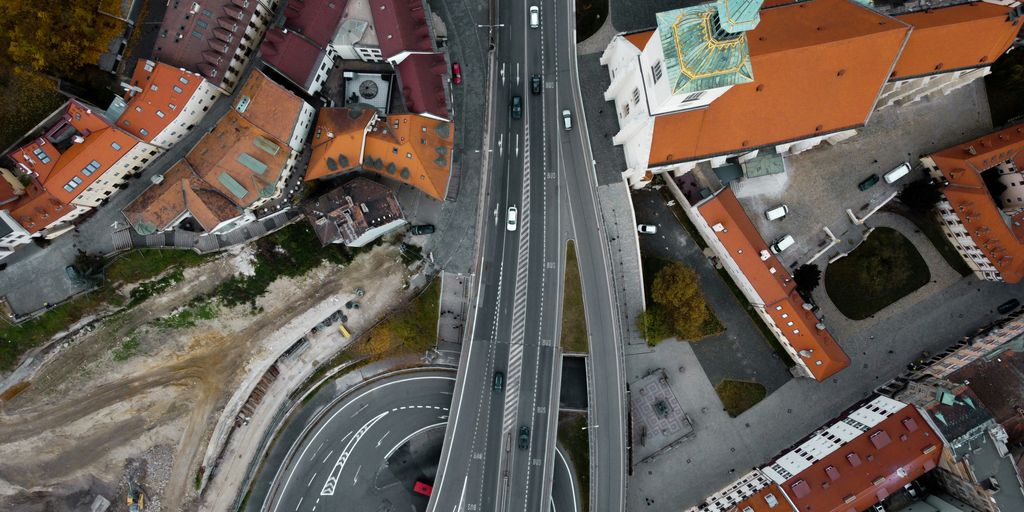
Why Drones Are Essential for Modern Aerial Photography
The advent of Unmanned Aerial Vehicles (UAVs) has completely transformed the photography landscape. By replacing expensive, high-risk traditional methods with nimble, cost-effective drone technology, creators and businesses can capture high-resolution imagery from angles previously unreachable.
The Evolution: From Manned Aircraft to UAVs
Historically, capturing images from above required hot-air balloons, kites, or chartered light aircraft and helicopters. While effective, these methods presented major constraints:
-
High Financial Barriers: Chartering aircraft and hiring specialized flight crews resulted in high overhead costs.
-
Operational Risks: Navigating low-altitude airspace with manned aircraft introduced substantial safety hazards.
-
Limited Accessibility: High costs restricted aerial views to major film studios and large corporations.
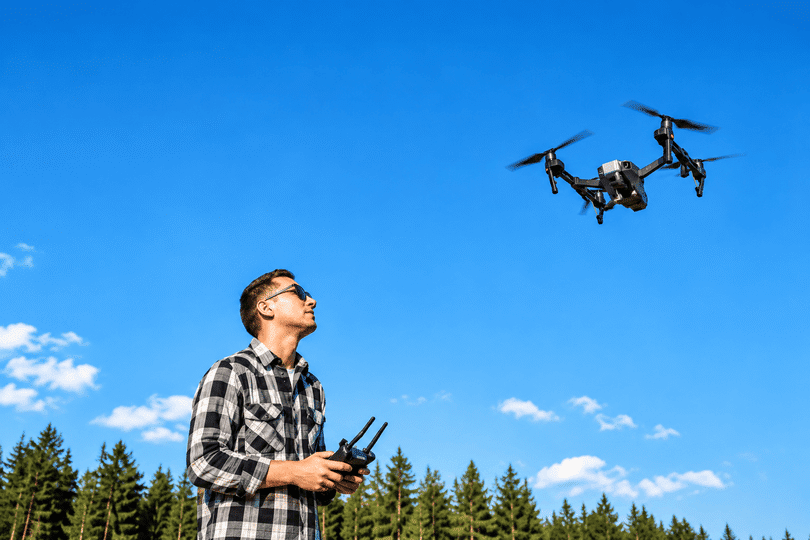
Modern drone technology eliminates these constraints. Remotely operated UAVs equipped with stabilized, ultra-high-definition camera systems allow independent photographers, small businesses, and commercial operators to capture breathtaking aerial views at a fraction of the cost.
Key Advantages of Modern Drone Photography
+---------------------+---------------------------+---------------------------+
| Feature             | Manned Aerial Photography | Modern Drone Technology   |
+---------------------+---------------------------+---------------------------+
| Operating Cost      | Extremely High            | Low to Moderate           |
| Human Safety Risk   | High (Crew in Aircraft)   | Minimal (Remote Control)  |
| Accessibility       | Restricted                | Widespread & Portable     |
| Maneuverability     | Broad / High-Altitude     | Precision / Tight Spaces  |
| Deployment Speed    | Hours/Days (Logistics)    | Minutes                   |
+---------------------+---------------------------+---------------------------+
1. High-Resolution & Stabilized Imaging
Today’s commercial drones carry 4K, 6K, and 8K camera sensors paired with multi-axis mechanical gimbals. This combination produces crystal-clear stills and fluid cinematic footage, even in challenging weather or high winds.
2. Enhanced Safety & Risk Mitigation
Drones remove the need to place pilots and photographers in precarious positions. Operating remotely allows teams to capture images over dangerous terrain, industrial structures, or hazardous environments without risking human life.
3. Unmatched Maneuverability & Creative Freedom
Drones navigate tight spaces, glide through urban corridors, fly low over water, and hover seamlessly. Photographers can easily execute bird’s-eye perspectives, dynamic fly-throughs, and dramatic reveal shots.
4. Integration with AI and 5G Technology
Modern UAV platforms leverage Artificial Intelligence (AI) for real-time scene analysis, automated flight paths, and subject tracking. When combined with 5G connectivity, operators can live-stream low-latency aerial feeds and upload massive files directly from the field.
Key Industry Applications
Drone photography has evolved from a novel creative tool into a core operational asset across multiple sectors:
-
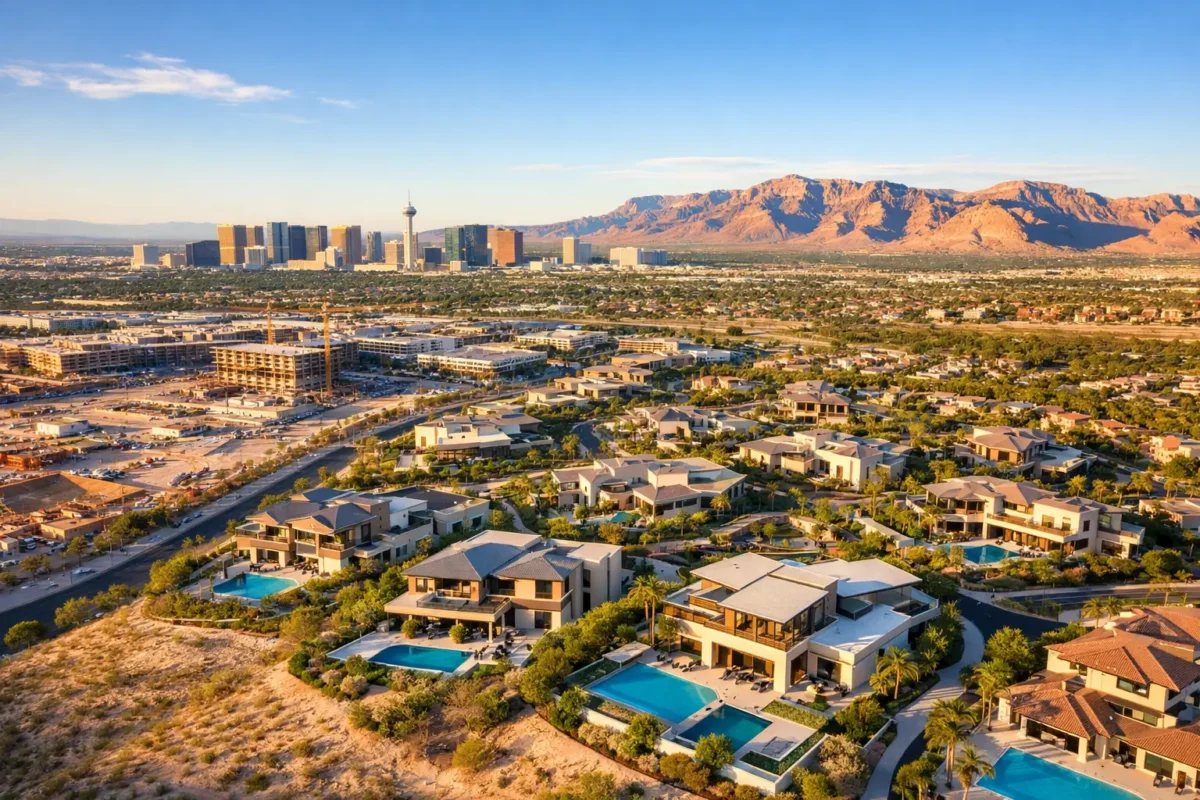
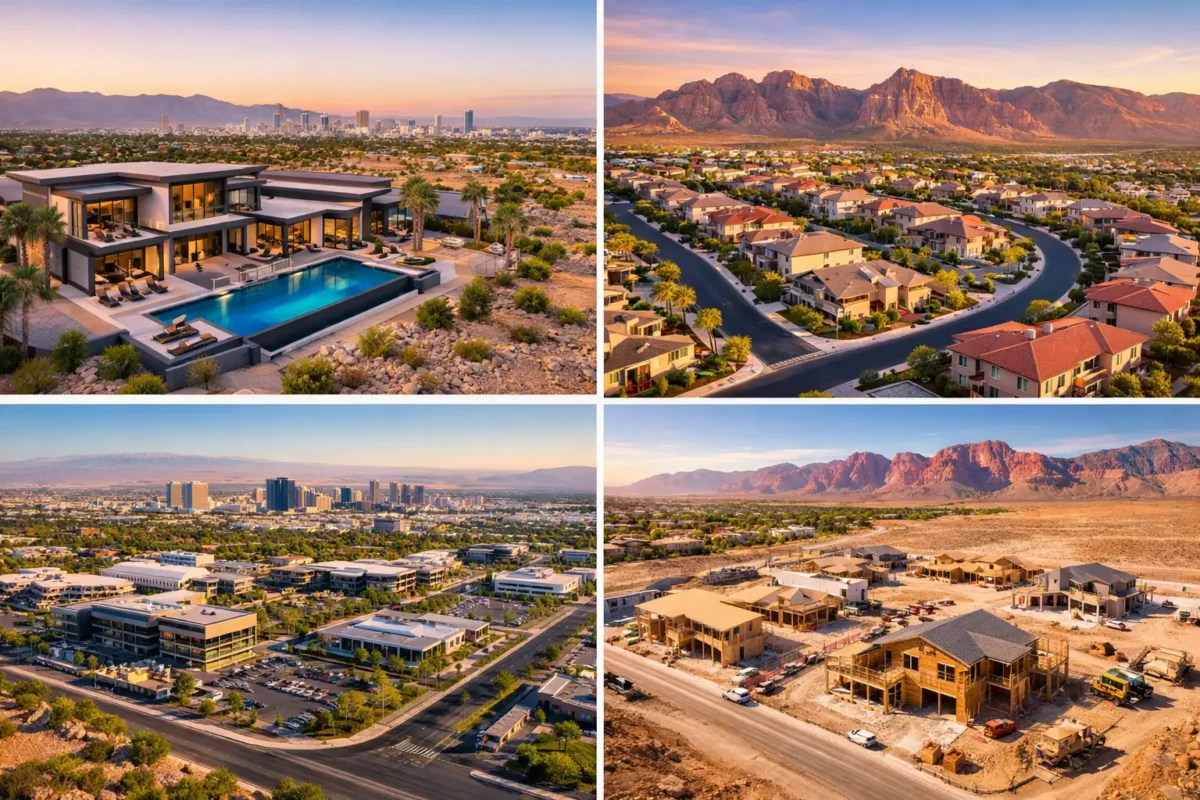
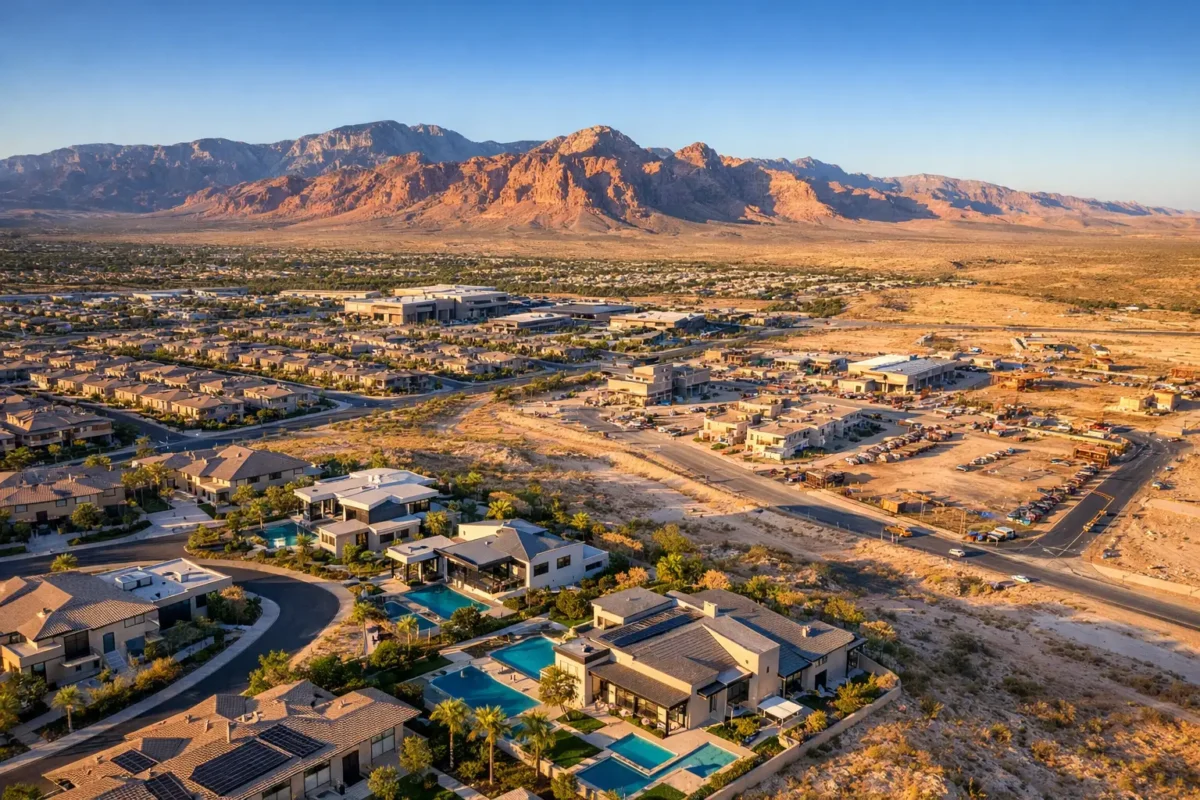
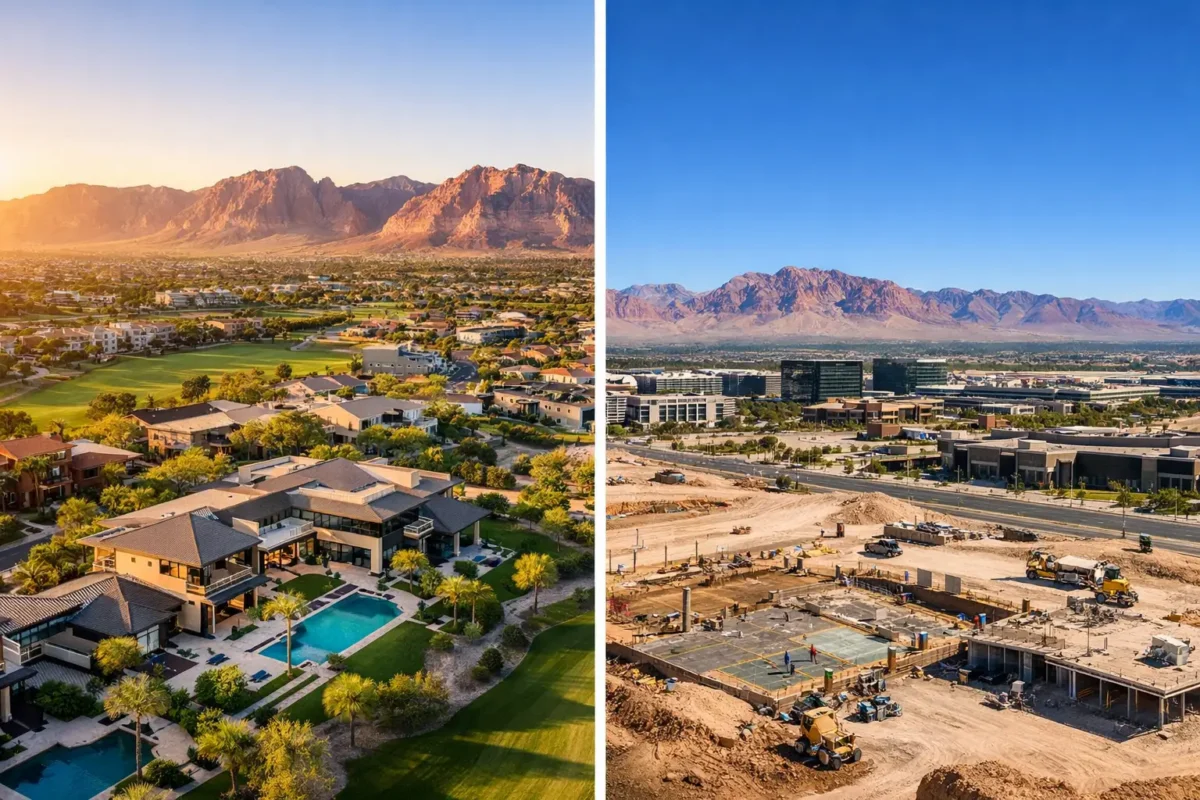
Real Estate & Development: Aerial photos showcase entire property boundaries, neighborhood context, and surrounding amenities, helping accelerate listing sales and property evaluations.
-
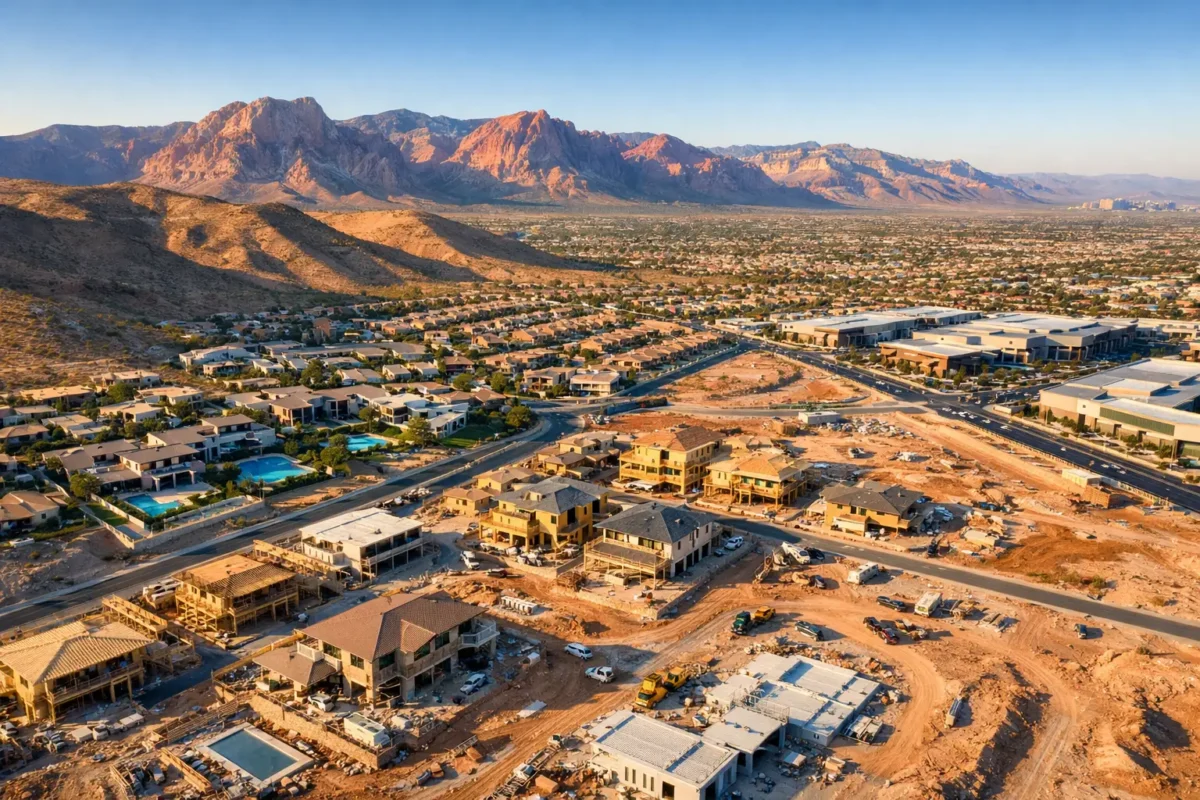
Construction & Site Monitoring: Regular aerial passes provide accurate visual data for progress tracking, site surveys, and safety inspections.
-
Tourism & Destination Marketing: Dynamic aerial visuals elevate travel campaigns by highlighting scenic landscapes, resorts, and local attractions from captivating perspectives.
-
Wildlife & Environmental Conservation: Researchers monitor animal populations and environmental conditions from safe distances without disrupting natural habitats.
-
Media & Film Production: Drones offer budget-conscious productions cinematic aerial shots that previously required dedicated helicopter crews.
The Future of Drone Aerial Photography
As technology advances, several key developments will continue to expand the drone ecosystem:
-
Extended Flight Times: Improvements in battery density will allow longer continuous shooting sessions.
-
Next-Generation Sensors: Thermal imaging, multispectral cameras, and enhanced low-light performance will broaden commercial utility.
-
Automated Workflows: AI-driven flight planning and automated data processing will further streamline aerial operations.
Summary
Drones have democratized aerial photography by significantly lowering costs, eliminating safety risks, and unlocking unprecedented creative possibilities. Whether for commercial real estate, film production, or environmental monitoring, UAV technology remains an essential tool for visual storytelling and data collection.
Frequently Asked Questions (FAQ)
What is drone photography?
Drone photography (or UAV aerial imaging) involves capturing photos and videos using a remotely piloted aircraft equipped with a high-resolution camera system.
Why are drones better than traditional aerial photography methods?
Drones are significantly more affordable, safer to operate, faster to deploy, and able to fly into tight or low-altitude spaces that helicopters and airplanes cannot reach.
What industries rely most on drone photography?
Key industries include commercial real estate, construction, travel and tourism, film and media production, agricultural monitoring, and environmental research.
Do drone photographers need a license for commercial work?
Yes. In most jurisdictions (such as under the FAA Part 107 in the United States), operating a drone for commercial or business purposes requires a remote pilot certificate and adherence to airspace regulations.
Popular Posts
August 31, 2026
August 30, 2026
August 29, 2026
August 28, 2026
August 27, 2026
August 26, 2026
Comments are closed.