How to Start a Drone Business: A Complete Guide

Starting a drone business can be both exciting and profitable. With the proper knowledge and planning, you can turn your passion for flying drones into a successful venture. This guide will help you understand the drone business landscape, navigate legal requirements, identify your niche, and establish your business effectively.
Key Takeaways
- Understand the current trends and future potential in the drone market.
- Obtain the necessary certifications, such as FAA Part 107, to operate legally.
- Select a niche that aligns with your skills and interests for greater success.
- Develop a comprehensive business plan to guide your operations and attract potential investors.
- Focus on marketing and building strong customer relationships to drive business growth.
Understanding the Drone Business Landscape
Current Market Trends
The drone industry is rapidly evolving, with new technologies and improvements shaping its future. Here are some key trends:
- Increased Use of AI: Drones are becoming more sophisticated, using artificial intelligence to analyze data and make informed decisions.
- Diverse Applications: Drones are now used across agriculture, real estate, and construction.
- Market Growth: Experts predict the drone market could grow by more than 20% annually.
Opportunities and Challenges
Starting a drone business comes with both opportunities and challenges:
- Opportunities:
- Expanding market demand for drone services.
- Potential for innovative business ideas.
- Ability to serve various industries.
- Challenges:
- Navigating complex regulations.
- Keeping up with technological advancements.
- Competition from established businesses.
Future Growth Projections
The future looks bright for the drone industry. Here are some projections:
-
-
-
- The market is expected to reach $48.88 billion by 2023.
- Job creation in the drone sector is expected to exceed 103,776 jobs by 2025.
- The economic impact of drones is projected to be over $82.1 billion between 2015 and 2025.
-
As you explore the booming drone industry, remember that there’s a path to profitability. This guide will help you navigate the steps to launch and grow a successful drone business.
Legal Requirements and Certifications

Starting a drone business requires understanding and complying with the legal requirements and certifications required to operate safely and legally. Here’s what you need to know:
FAA Part 107 Certification
To legally fly a drone for business in the U.S., you must obtain the FAA Part 107 certification. This certification demonstrates your understanding of the rules and safety measures for operating drones. Here are the steps to get certified:
-
-
-
-
- Study for the exam: Allocate approximately 15-20 hours for preparation.
- Register with IACRA: Create an account with the FAA’s electronic application system.
- Choose a testing center: Find a local FAA-approved center and schedule your exam.
- Take the exam: You must score at least 70% to pass.
- Submit your score: After passing, finalize your application on IACRA.
- Receive your certificate: You will receive a temporary certificate within a week and a permanent one within 1-3 months.
-
-
-
State and Local Regulations
In addition to federal rules, you must also comply with state and local regulations. These can vary widely and may include:
-
-
-
-
- Restrictions on flying heights.
- Privacy laws regarding flying over private property.
- Local permissions are required for commercial operations.
-
-
-
Insurance and Liability
Having the right insurance is crucial for protecting your business. Here are the two main types of drone insurance:
-
-
-
-
- Drone Liability Insurance: Covers damages or injuries caused by your drone operations.
- Drone Hull Insurance: Protects your drone and equipment from damage or loss.
-
-
-
Understanding and following these legal requirements is essential for running a successful drone business. Compliance not only protects you but also builds trust with your clients.
By ensuring you have the necessary certifications and insurance, you can focus on growing your business while staying within the law. This guide outlines the essential steps to start a successful drone business in 2024, emphasizing the importance of obtaining FAA certification and identifying a niche market. It emphasizes regulatory compliance, the acquisition of high-quality equipment, and a thorough understanding of the target market’s needs. The article serves as a comprehensive resource for aspiring drone entrepreneurs, detailing necessary licenses, training, and effective marketing strategies to thrive in a competitive industry.
Choosing Your Drone Business Niche
Finding the right niche for your drone business is crucial for success. Identifying a specific area of focus can help you stand out in a crowded market. Here are some popular niches to consider:
Popular Niches in the Drone Industry
-
-
-
-
- Aerial Photography: Great for capturing stunning images for events, real estate, and marketing.
- Agricultural Monitoring: A valuable tool for farmers to assess crop health and manage resources effectively.
- Construction Site Inspections: Helps track progress and ensure safety on job sites.
-
-
-
Evaluating Market Demand
To ensure your chosen niche is viable, conduct market research. Here’s how:
-
-
-
-
- Analyze Local Competition: Look at what other drone businesses are offering in your area.
- Identify Customer Needs: Understand the services potential clients are seeking.
- Check Industry Trends: Stay up to date on emerging technologies and regulations that could affect your niche.
-
-
-
Aligning with Personal Interests and Skills
Choosing a niche that aligns with your interests can lead to greater satisfaction and success. Consider:
-
-
-
-
- Your existing skills: What are you good at?
- Your passions: What do you enjoy doing?
- The market demand: Is there a need for your services?
-
-
-
Finding the right niche is not just about what’s popular; it’s about what you can do best and what excites you.
By carefully selecting your niche, you can position your drone business for growth and success in the competitive landscape.
Setting Up Your Drone Business

Starting a drone business involves several essential steps to ensure you are set up for success. Choosing the right niche and having the right equipment are crucial. Here’s how to get started:
Business Structure and Registration
-
-
-
-
- Choose a Business Structure: Decide whether to operate as a sole proprietorship, an LLC, or a corporation. Each has different legal and tax implications.
- Register Your Business: After choosing a structure, register your business name with the relevant state and local authorities.
- Get an Employer Identification Number (EIN): If you plan to hire employees or need it for tax purposes, apply for an EIN from the IRS.
-
-
-
Essential Equipment and Software
To operate effectively, you need the right tools:
-
-
-
-
- Drones: Select drones that suit your niche, such as those equipped with high-resolution cameras for photography or specialized sensors for agriculture.
- Software: Invest in software for flight planning, data analysis, and customer management.
- Insurance: Obtain liability insurance to protect against accidents or damages.
-
-
-
Building an Online Presence
Creating a strong online presence is key to attracting customers:
-
-
-
-
- Website: Develop a professional website that showcases your services and portfolio.
- Social Media: Set up profiles on platforms such as Instagram and Facebook to engage potential clients.
- Branding: Create a logo and tagline that reflect your business identity.
-
-
-
Setting up your drone business requires careful planning and execution. By following these steps, you can establish a solid foundation for your venture in the drone industry, ensuring you are well-prepared to capture the skies and meet client needs effectively.
Marketing and Growing Your Drone Business
Developing a Marketing Strategy
To successfully market your drone business, you need a solid plan. Here are some key steps to consider:
-
-
-
-
- Identify Your Target Audience: Understand who your potential customers are and what they need.
- Choose Your Marketing Channels: Decide where to promote your services, including social media, websites, and local events.
- Create Engaging Content: Share interesting photos and videos of your drone work to attract attention.
-
-
-
Networking and Partnerships
Building connections is essential for growth. Here are ways to network effectively:
-
-
-
-
- Attend industry events and meetups to meet potential clients.
- Collaborate with other businesses for mutual benefits.
- Join online forums and groups related to drones to share knowledge and opportunities.
-
-
-
Continuous Learning and Innovation
Staying up to date is crucial in the fast-paced drone industry. Consider these actions:
-
-
-
-
- Attend workshops and training sessions to enhance your skills and expertise.
- Follow industry trends to adapt your services accordingly.
- Invest in new technology to improve your offerings.
-
-
-
Remember, marketing is not just about selling; it’s about building relationships and trust with your clients.
By focusing on these strategies, you can effectively promote your drone services and expand your business in this rapidly growing industry. This guide will help you understand the drone industry, generate profitable drone business ideas, and start your drone-related venture.
Financial Planning and Management
Estimating Startup Costs
Starting a drone business requires careful financial planning and management. Here are some key costs to consider:
-
-
-
-
- Drones and Equipment: Drone costs can vary widely depending on capabilities. Expect to spend between $500 and $10,000.
- Software: You may need software for editing, mapping, or managing flights, which can cost between $100 and $1,000.
- Marketing: Allocate a budget of $200 to $2,000, depending on your strategy.
-
-
-
Expense Category Estimated Cost Drones and Equipment $500 – $10,000 Software $100 – $1,000 Marketing $200 – $2,000 Pricing Your Services
Setting the correct prices for your services is crucial. Consider these factors:
-
-
-
-
- Market Rates: Research what competitors charge for similar services.
- Service Value: Ensure your prices reflect the quality and uniqueness of your services.
- Client Budget: Understand what your target clients are willing to pay.
-
-
-
Managing Cash Flow
To keep your drone business running smoothly, effective cash flow management is essential. Here are some tips:
-
-
-
-
- Track Your Income and Expenses: Utilize accounting software to manage your finances effectively.
- Set Payment Terms: Determine billing terms that work for you and your clients, such as net 30 or prepayment.
- Plan for Slow Periods: Save money during busy periods to cover expenses when business slows.
-
-
-
Managing your finances well is key to ensuring your drone business thrives. Stay organized and proactive to avoid financial pitfalls.
Providing Exceptional Customer Service

Training and Certification for Staff
To ensure your team provides top-notch service, invest in training and certification. This helps them understand the technical aspects of drone operations and customer interaction. Here are some key points to consider:
-
-
-
-
- Regular Training Sessions: Schedule ongoing training to keep skills sharp.
- Certification Programs: Encourage staff to obtain relevant certifications.
- Safety Protocols: Educate staff and clients on safety measures to protect both parties.
-
-
-
Ensuring Safety and Compliance
Safety is crucial in the drone business. Following safety measures not only protects your team but also builds trust with clients. Here’s how to ensure safety:
-
-
-
-
- Pre-flight Checks: Always check drones and equipment before flights.
- Emergency Preparedness: Train your team on emergency procedures and conduct regular drills to ensure they are well-equipped and prepared.
- Adhere to Regulations: Stay informed about FAA regulations and local laws.
-
-
-
Building Long-term Client Relationships
Creating lasting relationships with clients is essential for repeat business. Here are some strategies:
-
-
-
-
- Clear Communication: Keep clients informed about project progress.
- Quick Responses: Address client inquiries and concerns promptly and effectively.
- Follow-up: Check in after projects to gather feedback and improve services.
-
-
-
Building strong relationships with clients leads to repeat business and referrals, which are vital for growth in the drone industry.
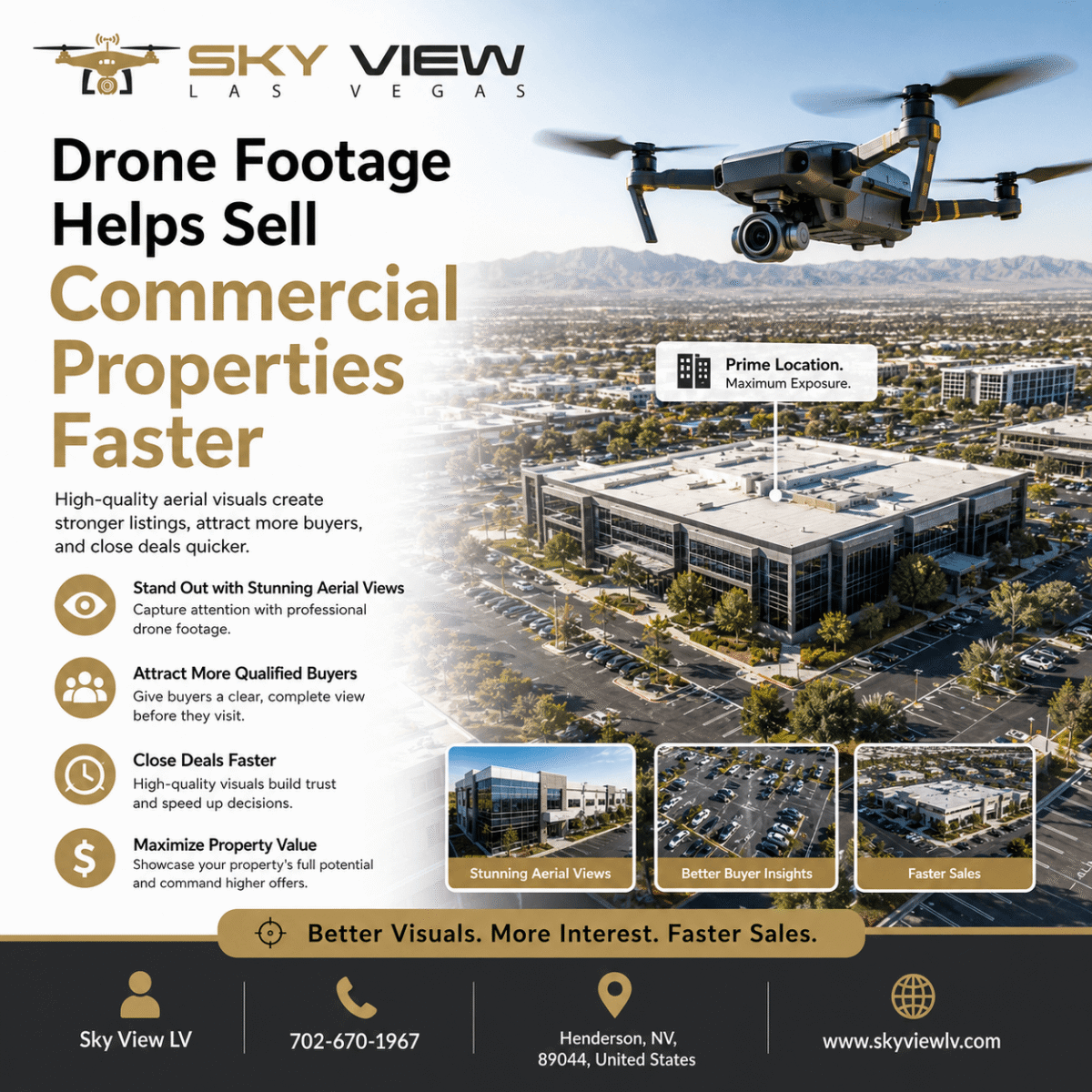
At Sky View LV, we believe that outstanding customer service is key to a great experience. Our team is committed to ensuring you feel valued and supported throughout the entire process. Whether you have questions or need assistance, we’re here for you! Visit our website today to learn more about our services and how we can help you capture stunning aerial photography!
Final Thoughts on Launching Your Drone Business
Starting a drone business can be an exciting journey filled with opportunities. To succeed, remember these essential steps: First, do your homework to understand the market and find your niche. Next, ensure you have the necessary licenses and comply with the relevant regulations to operate legally. Invest in good equipment and get proper training to ensure safety and quality. Promote your services online and deliver exceptional customer service to establish trust with clients. Lastly, continue learning and adapting to new industry trends. If you love drones and are ready to work hard, now is a great time to start your own drone business!
Frequently Asked Questions
What are the costs to start a drone business?
Starting a drone business can cost between $6,500 and $13,200 for basic setups, while advanced setups may range from $17,700 to over $37,500.
Is running a drone business profitable?
Yes, many drone businesses can be profitable, especially if you find a niche with high demand.
How do I get certified to fly drones?
To operate drones commercially, you need to pass the FAA Part 107 certification exam.
What types of insurance do I need for my drone business?
You should obtain liability insurance to cover accidents and damages arising from your drone operations.
Can I run a drone business part-time?
Yes, many people start drone businesses as a side job while maintaining their full-time jobs.
What common mistakes should I avoid in a drone business?
Avoiding market research, skipping insurance, and underestimating startup costs.
-
Popular Posts
May 11, 2026


May 07, 2026


April 03, 2026

February 11, 2026
Comments are closed.