Capturing the Skies: The Journey of a Drone Photography Company
Capturing the Skies: The Journey of a Drone Photography Company
In modern technology, drones have emerged as transformative tools—reshaping industries and redefining our perspective of the world. Aerial photography, once limited to licensed pilots and costly helicopters, is now accessible to businesses and visual artists through user-friendly drone technology.
Equipped with high-resolution sensors and intelligent flight systems, modern unmanned aerial vehicles (UAVs) allow photographers to capture breathtaking perspectives once reserved for imagination. This article explores the journey of building a successful aerial imaging business, from industry growth and equipment selection to navigating regulatory compliance and delivering exceptional client results.
Key Takeaways
-
Accessibility & Innovation: Technological advancements have significantly lowered the barrier to entry for professional aerial imagery.
-
Essential Setup: Launching a business requires selecting the right equipment, obtaining the necessary certifications, and assembling a skilled crew.
-
Navigating Regulations: Understanding local legal frameworks, such as FAA Part 107 rules, is crucial for compliant commercial operations.
-
Market Expansion: Differentiating through niche services (e.g., 3D mapping, real estate, thermal imaging) drives sustainable growth.
-
Execution & Post-Processing: Professional planning and specialized editing software guarantee high-quality deliverables that satisfy clients.
The Rise of Drone Photography
Unlocking the Potential of Aerial Imagery
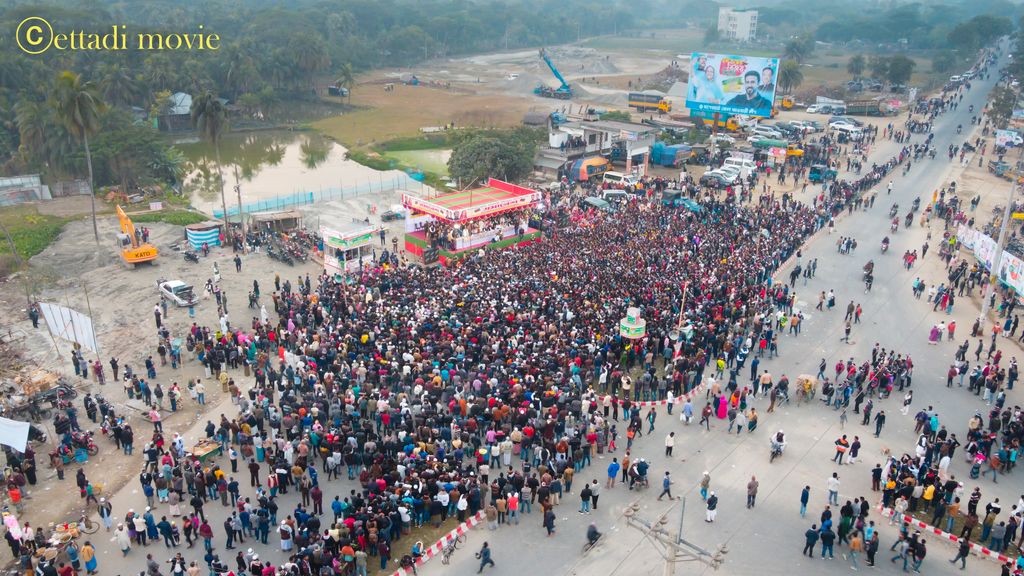
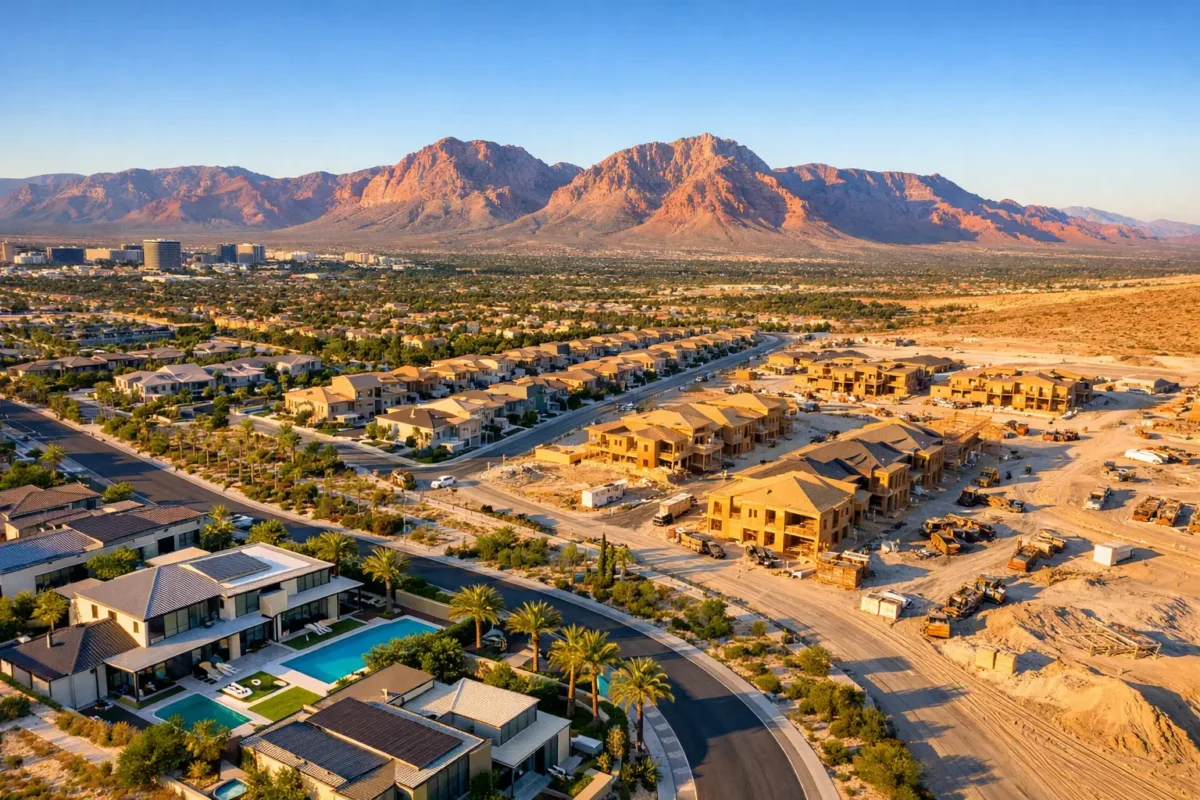
The rapid integration of UAV technology has elevated visual storytelling. Drone photography provides a unique vantage point that adds cinematic scale and emotional depth to marketing materials, documentary work, and commercial site tracking.
Key Applications Include:
-
Real Estate & Commercial Development: Capturing sweeping landscape views, architectural profiles, and site progress.
-
Cinematography & Events: Exploring dynamic cityscape angles and live event coverage.
-
Environmental & Industrial Inspection: Observing wildlife, monitoring infrastructure, and conducting land surveys with minimal environmental impact.
Starting a Drone Photography Company
Choosing the Right Equipment
Selecting the right hardware directly impacts your final image quality and flight safety. A professional setup typically includes:
-
Professional UAVs: Models equipped with 3-axis gimbals to stabilize the camera sensor and eliminate wind jitter (such as industry-standard options from DJI).
-
Integrated Screen Controllers: Transmitters with high-brightness built-in screens for clear real-time monitoring and telemetry adjustments.
-
Lens Accessories & ND Filters: Neutral Density (ND) filters to control shutter speed and exposure in bright ambient light.
-
Flight Field Kit: Portable landing pads for unpredictable terrain, spare flight propellers, and high-capacity flight batteries.
Obtaining Necessary Licenses and Permits
Operating commercially requires strict adherence to aviation law. In the United States, commercial drone operators must hold a Remote Pilot Certificate under FAA Part 107.
-
Registration: All commercial drones must be registered with the FAA before flight.
-
Recertification & Compliance: Remote pilots must stay up to date with recurrent online training modules and air-space authorization protocols (LAANC).
Building and Training a Skilled Team
A successful drone company requires a balance of piloting precision and creative vision.
-
Diverse Skill Sets: Combine experienced UAV pilots with creative directors, video editors, and spatial data analysts.
-
Strategic Partnerships: Collaborate with real estate brokerages, construction firms, and marketing agencies to establish long-term service contracts.
-
Continuous Education: Invest in specialized coursework covering advanced cinematography, photogrammetry mapping, and thermal inspections.
Overcoming Challenges & Market Competition
Navigating Legal and Regulatory Frameworks
Managing legal compliance protects your business from liability and builds client trust. Key operational requirements include complying with privacy laws, monitoring temporary flight restrictions (TFRs), and obtaining local airspace waivers when flying near airports or restricted areas.
Differentiating and Expanding Markets
To stand out in a competitive landscape, companies must expand beyond standard aerial photos:
-
Specialized Services: Offer 3D orthomosaic mapping, thermal roof inspections, or volume measurements for construction.
-
Tailored Marketing: Focus outreach efforts on specific local markets and adapt service packages to meet localized real estate or commercial development needs.
Delivering High-Quality Drone Services
Planning and Executing Aerial Shoots
Delivering superior imagery requires meticulous pre-flight execution:
-
Location Scouting: Check airspace restrictions and evaluate potential obstacle hazards prior to takeoff.
-
Shot Composition: Pre-plan camera angles, altitude, and lighting conditions (golden hour flights) to maximize aesthetic impact.
-
Safety Protocols: Complete pre-flight system checks on battery health, compass calibration, and controller connection.
+-------------------------------------------------------------------------+
|                        AERIAL SHOOT WORKFLOW                            |
|                                                                         |
|  [Scout Location] ---> [Check Airspace] ---> [Execute Shot Plan]         |
|         |                                            |                  |
|         v                                            v                  |
|  [Pre-Flight Checks] ------------------------> [Post-Processing]       |
+-------------------------------------------------------------------------+
Post-Processing and Editing Techniques
Raw aerial captures require professional post-production to reach commercial standards.
Ensuring Client Satisfaction
Client satisfaction relies on safety, transparent communication, and consistent quality. By combining FAA-compliant flight practices with state-of-the-art camera tech, professional pilots deliver impactful visuals that help clients win listings, showcase projects, or document assets effectively.
Frequently Asked Questions
What is commercial drone photography?
Commercial drone photography uses unmanned aerial vehicles (UAVs) equipped with high-resolution cameras to capture images and video footage for business, marketing, or inspection purposes.
Do I need a license to take commercial drone photos?
Yes. In the United States, flying a drone for business purposes requires an FAA Part 107 Remote Pilot Certificate. Other countries have similar requirements for civil aviation authorities.
What equipment is necessary to launch a drone photography business?
Key equipment includes a stabilized 4K/5K drone camera, neutral density (ND) filters, multiple flight batteries, an integrated monitor controller, and professional editing software like Adobe Creative Cloud.
Popular Posts
August 28, 2026
August 27, 2026
August 26, 2026

August 25, 2026
August 24, 2026

August 23, 2026
Comments are closed.