Mastering Drone Photography Techniques
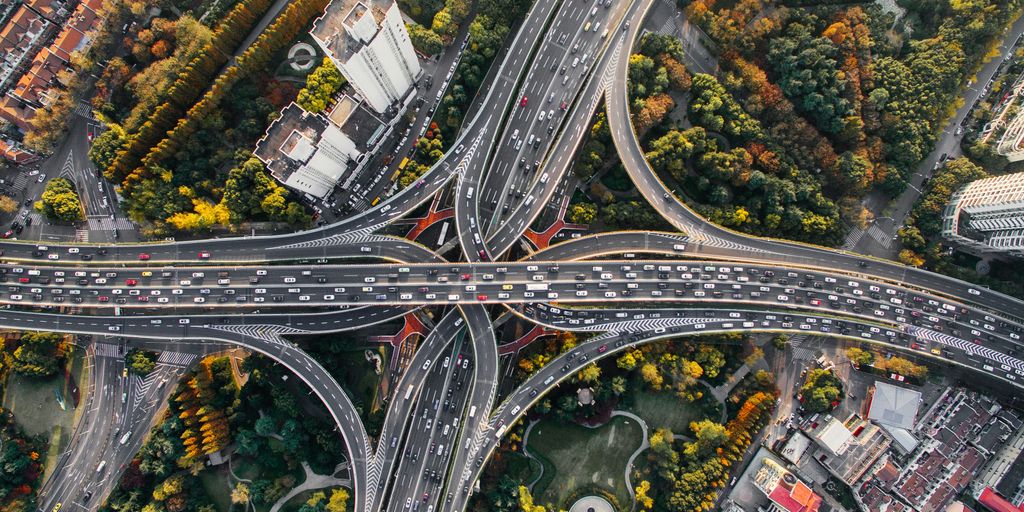
Drone photography opens up a new world of capturing stunning images from above. Anyone can learn to take breathtaking aerial photos with the proper techniques and skills. This article will guide you through the essential aspects of drone photography, from understanding your camera settings to overcoming challenges and enhancing your images in post-production. Whether you’re just starting or looking to improve your skills, mastering drone photography can elevate your creative journey.
- Key Points to Remember
Master your drone’s camera settings to capture photos.
Be sure to plan your flights to capture the best photographs.
Experiment with height and angle to capture unique perspectives.
Ensure you understand and comply with the regulations governing drone operations.
Refine your images to elevate their beauty and influence.
Mastering the Art of Drone Photography
Drone photography has revolutionized our perception of the world, enabling photographers to capture stunning images from above. To truly master the art of drone photography, one must effectively blend the skills of flying and taking pictures. Here are some key areas to focus on:
Camera Techniques and Settings
- Shooting in RAW: This format is essential for those who want flexibility in editing. It captures more details than JPEG, making it easier to adjust exposure and colors later.
- Optimal Lighting: The best times to fly are during the golden hours—early morning or late evening—when the light is softer and more flattering.
- Composition: Use the Rule of Thirds to create balanced images. Most drones have a grid overlay feature that can help with this.
- Minimizing Noise: Keep your ISO low, ideally at 100, to avoid grainy images.
- Image Quality: Consider using filters such as Neutral Density to control exposure and improve your photos.
Flight Skills and Planning
To capture photos, you need to be adept at controlling your drone effectively and mastering a few essential techniques, such as these;
Practice executing takeoffs and landings to maintain safety measures in flight operations.
Master the art of flying in directions to capture angles effectively.
Adjust your drone’s position to capture your shots at the desired angle.
Post-Production and Showcase
Once you’ve taken your photographs, it’s essential to refine them through editing. Utilize editing software to improve the colors and sharpness of your images to make them stand out. Displaying your photography is also key. Consider using platforms like Portfolibox to showcase your photos.
Becoming skilled in drone photography takes dedication and perseverance. Don’t rush the process; every flight offers an opportunity to grow and enhance your abilities, resulting in photos that tell a story.
To summarize, the essence of drone photography mastery is mastering the technical aspects of drone operation and effectively embracing the nuances of photography.
Overcoming Challenges in Drone Photography

Drone photography offers a unique viewpoint but presents several challenges that photographers must tackle. Navigating difficult lighting conditions can be particularly challenging, as managing exposure, aperture, shutter speed, and ISO becomes crucial to avoid issues such as noise and blur. Here are some strategies to help overcome these challenges:
Exploring the complexities of requirements.
Ensure you are aware of the rules in your neighborhood regarding drone use to avoid any trouble.
Remember to respect privacy by obtaining permission before taking photos of people or property.
Stay up to date on drone rule changes to ensure you comply with all regulations.
Dealing with Environmental Influences
When flying your drone, check the weather forecast before takeoff. Wind and rain can impact the stability and the quality of your photos or videos.
Reminder: Be mindful of wildlife encounters, as birds may perceive drones as threats.
Beware of interference! Strong magnetic fields may affect your drone’s compass accuracy; remember to calibrate it in a magnetic-free environment before takeoff.
Dealing with Technical Constraints
Ensure you have batteries when flying drones, as they usually last 20 to 30 minutes in the air. Also, monitor their power levels throughout the flight.
In cities and busy areas with numerous devices, ensure a stable signal connection for your drone to avoid interference.
Inspect your gear before takeoff and keep it up to date to prevent any issues during your flight.
To become skilled in drone photography, you must practice and be prepared to learn. You can enhance your skills and produce aerial photographs by overcoming these challenges.
Enhancing Aerial Imagery Through Creative Techniques
Utilizing Different Altitudes and Perspectives
One of the key benefits of drone photography is the ability to capture images from various altitudes and perspectives. Experimenting with different heights can showcase unique aspects of your subject or scene. Here are some tips:
- Fly low to capture intricate details.
- Fly higher to reveal a larger landscape.
- Shoot at different angles, such as straight down or at an angle, to add depth and visual interest.
Capturing Motion and Dynamic Shots
Drones allow you to capture dynamic shots that showcase motion and action. Consider these techniques:
- Experiment with different shutter speeds to capture long exposures of moving subjects, like cars or waterfalls.
- Use the drone’s tracking modes to follow a moving subject and keep them in frame.
- These techniques can add energy and excitement to your drone photography.
Exploring Unique Composition Strategies
Creative composition can elevate your aerial images. Here are some strategies:
- Use leading lines to draw the viewer’s eye into the scene.
- Frame your subject with natural elements, such as trees or buildings, to create a visually appealing composition.
- Use the rule of thirds to create balanced, engaging images.
When you fly a drone, you’re not just a photographer; you become a painter, and the world is your canvas. The possibilities are limitless. It’s about seeing the ordinary from an extraordinary perspective and finding beauty in the mundane.
By mastering these creative techniques, you can significantly enhance the quality and impact of your aerial imagery, making your photographs stand out.
Essential Equipment for Drone Photography

Having the right gear for drone photography is essential for capturing stunning aerial images. Here are the key components you should consider:
Choosing the Right Drone
- Camera Quality: Look for drones with high-resolution cameras, ideally capable of shooting in 4 K. This ensures your images are sharp and detailed.
- Battery Life: Opt for drones that offer a flight time of 20 to 30 minutes per charge. Longer battery life means more opportunities to capture that perfect shot.
- Stability: A stable drone is essential for capturing clear images, particularly in windy conditions. Please choose a model known for its strength.
Recommended Accessories for Photographers
- Extra Batteries: Always carry at least two extra batteries to extend your flight time.
- Memory Cards: High-resolution images consume significant storage. Bring multiple high-capacity memory cards to avoid running out of storage.
- Protective Case: Sturdiness is vital for transporting and protecting your drone from damage.
| Accessory | Purpose |
|---|---|
| Extra Propellers | To replace any that get damaged or lost. |
| LED Lights | It helps in locating your drone at night. |
| Mini Drone Landing Pad | Protects your drone during takeoff and landing. |
Investing in Quality Lenses and Filters
- Filters: Neutral-density (ND) filters help control exposure and reduce glare, especially on bright days.
- Lenses: If your drone allows interchangeable lenses, use quality options to enhance your photography.
By equipping yourself with the right tools, you can elevate your drone photography to new heights, capturing breathtaking images from unique perspectives. Remember, the DJI Air 3 is considered one of the best drones for most photographers and videographers in 2024, making it a great choice for your aerial adventures.
Post-Processing Techniques for Drone Photography

Capturing breathtaking aerial images is just the start; the real artistry often unfolds during post-processing. This essential phase allows photographers to refine their images, correct flaws, and fully realize their creative vision. Understanding post-processing fundamentals can significantly enhance the quality of your drone photos. Here is a breakdown of practical techniques to elevate your aerial imagery:
Basic Adjustments and Corrections
Start with these foundational edits to improve your drone photos:
- Adjust Exposure and Contrast: Balancing brightness and darkness can reveal hidden details in shadows and highlights, adding depth to your images.
- Crop and Straighten: Cropping helps refine your composition, while straightening ensures the horizon is level, a crucial factor for aerial shots.
- Saturation and Vibrance: These adjustments enhance colors, making your images more visually appealing. Saturation boosts all colors, while vibrance focuses on the more muted tones.
- Sharpening: This technique enhances details, making your images more explicit. However, be cautious not to overdo it, as excessive sharpening can introduce noise.
Advanced Editing Techniques
To take your drone photography to the next level, consider these advanced methods:
- HDR Imaging: Combine multiple exposures to capture a broader dynamic range, revealing rich detail in both bright and dark areas.
- Time-lapse Creation: Create stunning sequences that showcase environmental changes or movement across landscapes.
- Composite Imagery: Blend different shots to create dynamic compositions with balanced lighting and enhanced details.
Creating a Cohesive Portfolio
After editing, it is essential to assess your images:
- Check for Flaws: Look for unexpected issues, such as lens flare or distortions.
- Evaluate Overall Quality: Before finalizing your edits, ensure your photos meet your standards for sharpness, exposure, and composition.
By mastering these post-processing techniques, you can transform your drone photographs into professional-grade imagery that stands out in any portfolio. Here are five easy tips to elevate your drone photography game, focusing on composition, lighting, camera settings, and post-processing.
Staying Informed on Drone Photography Trends
Emerging Technologies in Drone Photography
The world of drone photography is constantly evolving. New technologies are being developed to enhance drone capabilities. Some notable advancements include:
- Improved Camera Quality: Many drones now feature high-resolution cameras that can capture footage in 4K or even 8 K.
- AI Integration: Drones increasingly use artificial intelligence to assist with image stabilization and subject tracking.
- Longer Flight Times: Advances in battery technology enable longer flight durations, allowing for more time to capture stunning images.
Current Aerial Photography Styles
Staying up to date on popular styles can help photographers refine their work. Some current trends include:
- Minimalism: Focusing on simple compositions with a lot of negative space.
- Vibrant Colors: Using post-processing to enhance colors and create striking visuals.
- Dynamic Angles: Experimenting with unique perspectives, such as low-altitude shots or extreme close-ups.
Connecting with Fellow Drone Photography Enthusiasts
Engaging with drone enthusiasts can offer perspectives and motivation. Here are a few suggestions for building connections;
Connect with Online Communities for Drone Enthusiasts. Social media platforms, such as Facebook and Reddit, host communities tailored to drone photography enthusiasts.
Join Workshops and Meetups to engage in events where you can gain valuable insights from participants and exchange your own experiences.
Connect with influencers in the drone photography community on platforms to stay up to date on trends and techniques in the field.
Keeping up to date with developments in drone photography is crucial for photographers seeking to enhance their work quality and style. Embracing technologies and staying informed about trends while networking with fellow photographers will help improve skills and boost creativity in this dynamic industry.
To summarize, staying up to date on developments in drone photography enhances your skills and unlocks creative opportunities for further exploration. By engaging with the community and embracing emerging technologies, you can maintain the relevance and innovation of your work in this ever-evolving field.
Safety and Compliance in Drone Operations

Exploring Regulations Set by the Federal Aviation Administration
To ensure the safe operation of drones, it is vital to comply with FAA regulations, including maintaining a safe distance from airports, keeping the drone within your line of sight at all times, and adhering to height limits. This is crucial for flying responsibly.
Before you start your journey in the sky, it’s a good idea to list things to check before takeoff. This list should cover the following points;
Verifying the battery charge status.
Make sure the GPS signal is stable.
Check the drone for any signs of damage.
Following these guidelines and procedures can reduce hazards and improve air travel safety.
Best Practices for Responsible Flying
It’s essential to know the laws in your area, such as FAA rules, to ensure safety measures are considered when flying aircraft.
Make sure you’re aware of the restricted airspace areas near you.
Respecting people’s privacy by refraining from taking pictures of properties without permission is essential.
Stay informed about any updates to drone regulations.
Remember that following drone rules and safety guidelines is not just about safeguarding yourself, but also about protecting those nearby.
By adopting these methods and techniques, drone photography enthusiasts can savor the craft while prioritizing safety and regulatory compliance.
Conclusion
In conclusion, mastering drone photography is an exciting journey that combines the skills of flying and capturing images. You can create stunning aerial photos by understanding how to operate your drone and using the correct camera settings. Remember to practice regularly; this will help you improve your flying skills and photography techniques. Always plan your shoots carefully, considering weather and lighting factors for the best results. With patience and creativity, you can overcome challenges and produce breathtaking images that showcase the world’s beauty from above. Embrace the adventure of drone photography, and let your imagination take flight.
Frequently Asked Questions
What is drone photography?
Drone photography involves capturing images from the air using a flying camera, commonly called a drone. It gives a new perspective on places and events.
Do I need a special license to fly a drone for photography?
You need a license to fly a drone for photography in many places. Check the rules for your area.
What are the best settings for drone photography?
Using the RAW format is excellent for editing. For the best light, try to shoot during golden hours.
How can I improve my drone flying skills?
Practice is key! Start with simple maneuvers, such as takeoff and landing, then try more complex moves as you become comfortable.
What equipment is required for drone photography?
You’ll need an excellent drone, extra batteries, and some filters for better image quality.
How do I edit my drone photos?
You can use Adobe Lightroom to adjust color, brightness, and sharpness to enhance your photos’ appearance.
Popular Posts
May 11, 2026
May 07, 2026
April 03, 2026
February 11, 2026
Comments are closed.