How to Choose the Best Drone Services Las Vegas
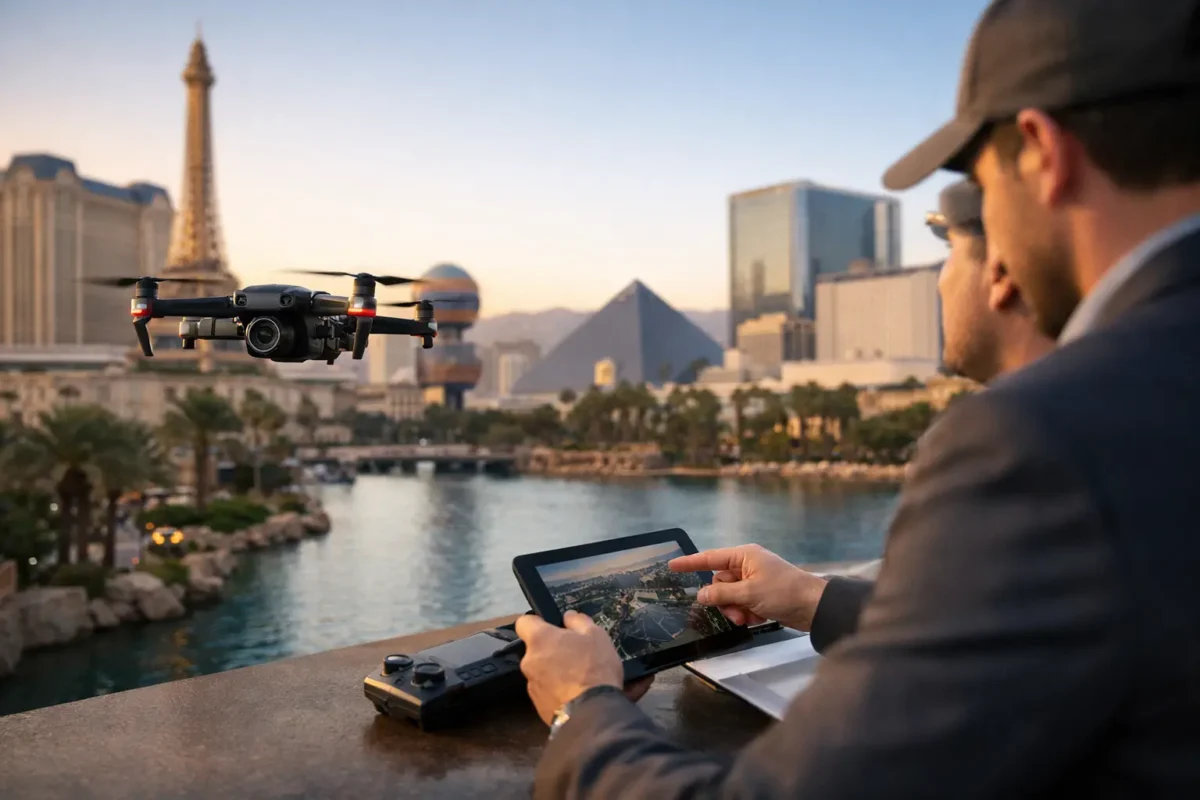
Aerial media can make a Las Vegas property look larger, better located, and more compelling to a buyer, tenant, or investor before they ever schedule a visit. But the best drone services Las Vegas clients can hire do more than send a camera skyward. They combine sharp visual production with flight planning, insurance, local airspace knowledge, and a deliverable built around the business decision at hand.
For a luxury home, the goal may be to show the pool, Strip views, golf course frontage, and neighborhood context in a few memorable shots. For a commercial site, factors may include access points, roof condition, nearby traffic corridors, acreage, or the development’s relationship to key amenities. The right provider begins with that purpose, then plans the flight around it.
What Separates the Best Drone Services in Las Vegas
Las Vegas is one of the most visually dramatic markets in the country, but it is also one of the more complex places to conduct commercial drone operations. Controlled airspace associated with Harry Reid International Airport, Nellis Air Force Base, heliports, special events, weather, and dense development can all affect what is possible on a given day.
That is why price alone is a weak basis for comparing aerial providers. A low-cost operator who cannot legally or safely complete the intended flight can create delays, force a change in creative direction, or leave a marketing deadline exposed. Professional drone service is not simply about owning a drone. It is about knowing where, when, and how to fly while protecting the client’s project.
FAA certification is the starting point
Commercial drone work requires an FAA-certified remote pilot. Ask a provider whether the pilot assigned to the job is certified and whether they conduct flights under the applicable commercial operating rules. This is not paperwork for paperwork’s sake. Certification signals that the operator understands core aviation responsibilities, including weather assessment, airspace awareness, preflight inspection, and operational limitations.
A qualified provider should also speak clearly about airspace. No responsible professional should promise a specific flight path before reviewing the address, date, altitude requirements, and local conditions. In controlled areas, authorization may be required, and approvals can depend on the operation. The best answer is not always an instant yes. Sometimes it is a practical plan that protects the project while meeting the rules.
Insurance protects the asset and the project
Drone insurance is another essential point of comparison. A property, construction, or commercial site can involve valuable structures, active crews, vehicles, and third-party stakeholders. Verify that the provider carries appropriate liability coverage and can meet the requirements of the site, brokerage, owner, or general contractor.
Coverage needs vary. A straightforward residential listing may have different requirements than an active construction site or a commercial facility with vendor compliance standards. Professional providers should be able to discuss insurance limits directly rather than treating coverage as an afterthought. Sky View LV offers insurance coverage ranging from $1 million to $10 million, depending on project needs, offering the kind of flexibility serious clients should expect to discuss.
The camera is only one part of image quality
High-resolution equipment matters, but polished aerial media depend on considerably more than the drone model. Look at a provider’s composition, exposure, camera movement, editing, and ability to show a property’s most valuable features without making the footage feel generic.
In still photography, a strong aerial image provides viewers with immediate orientation. It shows where the building sits, how the lot is configured, what surrounds it, and why the location matters. For video, the sequence should have a purpose. A smooth reveal of a home’s backyard, a measured approach to a commercial entrance, or a wide orbit that establishes the scale of the land can all add value when they support the asset’s story.
Be cautious of portfolios filled only with dramatic sunsets or distant skyline footage. Those shots can be beautiful, but a commercial client also needs proof that the provider can photograph roofs, loading areas, access roads, construction progress, site boundaries, and less glamorous but decision-critical details.
Match the Deliverables to the Property Goal
The most effective aerial package depends on who needs to see the property and what they need to understand. Asking for “drone photos” without defining the desired outcome can lead to media that looks good but doesn’t work hard enough for the campaign.
Residential real estate marketing
Aerial stills and cinematic video help residential listings stand out when the property has features that cannot be understood from the ground. This includes corner lots, acreage, outdoor living areas, mountain views, gated communities, proximity to parks, and access to the Strip, schools, or major corridors.
Not every house needs an extensive aerial production. A modest home in a dense neighborhood may benefit from a concise set of elevated images rather than a large video package. A luxury listing, custom home, or view property may justify both photography and video because the aerial perspective becomes part of the property’s value proposition.
The key is restraint. Drone media should clarify the listing, not exaggerate it. Honest angles, accurate context, and thoughtful editing build buyer confidence more effectively than flashy footage that obscures the actual home.
Commercial properties, land, and investment assets
For commercial brokers, developers, and investors, aerial media can convey scale and context more quickly than a lengthy property description. A flyover can show ingress and egress, nearby retail, surrounding development, traffic routes, parking configuration, vacant land boundaries, and the relationship between a site and major employment or tourism centers.
Here, a provider should understand the difference between marketing footage and decision-support imagery. Marketing media needs polish and visual momentum. Planning or investor materials may need repeatable angles, wider coverage, documentation of adjacent parcels, or a clean aerial record that can be referenced in presentations. A skilled team can capture both types of assets during a well-planned visit.
Construction documentation and progress imagery
Construction teams often need consistency more than spectacle. Repeat aerial photography from similar elevations and angles can make it easier to communicate progress to owners, lenders, remote stakeholders, and marketing teams. It can also document site changes that are difficult to grasp from ground-level images.
Ask how the provider organizes recurring work. A useful construction drone service should account for site safety procedures, active equipment, crew coordination, scheduling windows, and consistent capture points. A monthly flight program may be more valuable than isolated shoots because it creates a visual timeline of the project.
Questions to Ask Before You Book
A short conversation can reveal whether a provider is ready to manage the job professionally. Before committing, ask these questions:
- Is the pilot FAA-certified for commercial drone operations?
- What insurance coverage is available, and can it meet site requirements?
- Has the flight location been reviewed for airspace restrictions or authorization needs?
- What deliverables are included: edited photos, video, raw files, 360-degree photo spheres, or progress documentation?
- What is the expected turnaround time, and what factors could affect the schedule?
- Can the provider show work similar to your property type and intended use?
The answers should be specific. “We can fly anywhere” is not a sign of expertise in Las Vegas. Neither is “we will see what happens when we get there.” A capable aerial team explains the plan, identifies constraints early, and offers alternatives when conditions require them.
Why Professional Production Usually Costs Less Than Doing It Internally
Buying a drone can appear economical until the actual workload is considered. Commercial operations require a certified pilot, equipment selection and maintenance, battery management, flight planning, insurance, location assessment, editing, file delivery, and time set aside to complete the work. When airspace is complicated, or a project is deadline-driven, the risk of failure becomes expensive quickly.
Outsourcing lets agents, brokers, developers, and project teams focus on the transaction or project while a specialist handles the aerial production. It also gives clients access to a broader creative perspective. An experienced operator recognizes which angles will sell a view, establish a site, document a phase of construction, or make a listing feel distinct in a crowded feed.
Make the First Flight Count
The strongest drone project starts before takeoff. Share the property address, your campaign goal, the must-show features, intended audience, deadline, and any site access rules. If you need material for a listing launch, investor presentation, entitlement conversation, or construction update, say so early. That information shapes the flight plan and the final edit.
The best aerial media does not simply show that a drone was used. It gives the viewer a clearer reason to care about the property. When the flight is compliant, the production is polished, and every image serves a purpose, aerial content becomes a practical advantage rather than another marketing expense.
Popular Posts
August 18, 2026
August 17, 2026
August 16, 2026
August 15, 2026
August 14, 2026
August 13, 2026
Comments are closed.