Drone Revolution in Construction: A New Era in Las Vegas
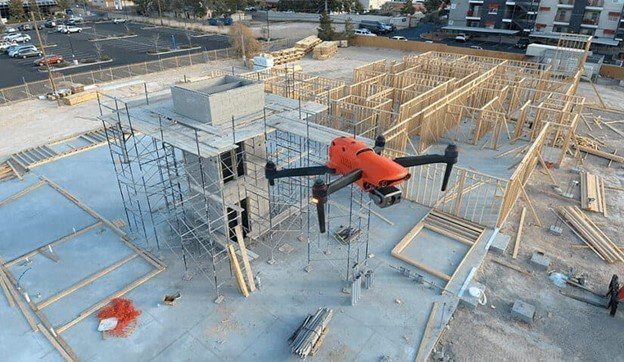
Drone Revolution in Construction: A New Era in Las Vegas. So, construction is changing, right? It’s not just about hammers and hard hats anymore. Drones are increasingly appearing on job sites, and they’re making a significant difference. Think about getting a bird’s-eye view of your whole project, checking on progress without climbing scaffolding, or mapping out a site in minutes instead of days. That’s what construction drone services are all about. It’s a significant shift, and if you’re in the building industry, you’re probably wondering what all the fuss is about and whether it’s worth exploring. We’re going to break down why these flying gadgets are becoming so important.
Key Takeaways
- Construction drone services are rapidly changing how building projects are managed, offering new ways to survey, monitor, and inspect sites.
- Using drones can save significant time and money compared to older methods, making projects more efficient.
- Drones help make job sites safer by enabling remote inspection of hazardous areas, keeping workers out of harm’s way.
- The data drones collect gives a clearer picture of what’s happening on site, leading to better planning and fewer mistakes.
- As this technology improves and becomes more widespread, companies that utilize construction drone services will likely have a competitive edge over those that don’t.
The Drone Revolution in Construction
Okay, so construction. It’s always been a bit… traditional, right? For ages, folks in this industry have stuck to what they know, often taking their sweet time to warm up to new gadgets or methods. It’s as if they’re comfortable with the old ways, and trying something new feels like a risk that could disrupt project schedules. But then came drones. And honestly, it’s been a different story with these flying machines.
Understanding the Shift to Aerial Technology
Think about it. For a long time, getting a good look at a big construction site meant sending people out on foot, maybe with some basic equipment, or even hiring expensive helicopters for aerial shots. It was slow, sometimes dangerous, and you never quite got the whole picture. Drones changed that. They offer a quick, safe way to get eyes in the sky, capturing detailed images and data from angles we couldn’t reach before. This aerial perspective is a game-changer for planning and understanding a site.
Market Growth and Industry Adoption
The numbers clearly demonstrate the rapid pace of change. The drone market, particularly in the construction sector, has experienced significant growth. Back in 2023, the industry was already a multi-billion-dollar enterprise, and it is expected to continue growing. It’s not just giant companies jumping on board; smaller firms are also finding practical, affordable ways to use drone technology. This widespread adoption signals that drones aren’t just a fad; they’re becoming a standard part of how construction projects are managed.

Why Construction Embraces Drone Services
So, why the sudden love affair between construction and drones? It comes down to clear advantages. Drones can survey large areas much faster than traditional methods, sometimes cutting down weeks of work to just a few days. They can get into tricky situations, provide real-time progress updates, and help keep workers out of harm’s way by conducting inspections in dangerous areas. It’s about saving time, getting better information, and making job sites safer.
The shift towards drone services isn’t just about adopting new technology for its own sake. It’s a practical response to the industry’s need for efficiency, accuracy, and improved safety. Companies that integrate these tools are finding that they can operate more efficiently and make more informed decisions.
Here’s a quick look at how quickly things are moving:
- Time Savings: Tasks that used to take weeks can now be done in days.
- Data Accuracy: High-resolution imagery and sensor data offer a level of detail previously unattainable.
- Safety Improvements: Drones can inspect hazardous areas, reducing the need for human exposure to risk.
- Cost Efficiency: Faster work and better data often translate to lower project costs.
Key Benefits of Construction Drone Services
So, why are construction companies suddenly so keen on these flying gadgets? It really boils down to a few significant advantages that make sense for the industry. These aren’t just fancy toys; they’re tools that directly impact the bottom line and how work gets done.
Unlocking Unprecedented Time Savings
Remember how long it used to take to survey a large site or check the progress on a sprawling project? Weeks, sometimes. Drones change that game entirely. A single drone operator can cover ground that would have taken a whole team days—or even weeks—to survey. This means you get the data you need much faster, allowing projects to move forward without those old bottlenecks. It’s not just about speed; it’s about getting that information when it’s actually useful, not weeks later.
- Surveying: Tasks that once took weeks can now be done in a few days.
- Drone Progress Monitoring: Get a bird’s-eye view of the entire site without walking every inch.
- Inspections: Checking structures that once required scaffolding and days of work can now be completed in a fraction of the time.
The speed at which drone data can be collected and analyzed directly translates into quicker decision-making and fewer delays. This agility is a significant advantage in an industry where time is literally money.
Enhancing Project Accuracy and Detail
Accuracy is everything in construction. A slight miscalculation can lead to big problems and costly rework. Drones, equipped with high-resolution cameras and advanced sensors, capture incredibly detailed imagery. This enables precise measurements and a clearer picture of what’s happening on site. You can spot deviations from the plan early, obtain more accurate material estimates, and track progress with a level of detail previously impossible. This improved precision helps prevent mistakes before they occur.
Improving Worker Safety and Reducing Risk
Let’s be honest, construction sites can be dangerous places. Working at heights, navigating unstable ground, or entering tight spaces all carry risks. Drones can take on many of these hazardous tasks. Instead of sending a person up a tall building for an inspection, a drone can perform the inspection safely from a distance. Assessing risky areas or checking for hazards can be done without putting workers at risk. This focus on safety not only protects your team but also helps prevent costly accidents and project interruptions. It’s about ensuring everyone goes home safely at the end of the day, and drones play a significant role in construction safety.
Here’s a quick look at how safety is boosted:
- Reduced Exposure: Workers avoid working at dangerous heights and in confined spaces.
- Hazard Identification: Drones can spot potential dangers before they become issues.
- Remote Assessment: Inspecting unstable or hazardous areas without direct human entry.
Transformative Applications of Drone Technology
So, what can these flying gadgets actually do on a construction site? It’s more than just incredible aerial shots, though those are nice too. Drones are significantly changing how work gets done, making a big difference in a few key areas.
Precision Site Surveys and Detailed Mapping
Before a single shovel hits the dirt, drones can get a head start. They fly over the site and create super detailed maps, even 3D models. This is significantly faster than the old method — up to five times faster. This data helps everyone determine the best way to lay things out, identify potential issues early, and plan for features like drainage. It’s all about having a clear picture from the get-go.
- Creating accurate site plans
- Identifying potential challenges early
- Planning for drainage and erosion control
- Optimizing site layout and logistics
Real-Time Progress Monitoring
Keeping track of a project’s progress is crucial. Drones provide eyes in the sky, regularly capturing photos and videos. This means you can see exactly where things stand, show clients updates, and even help sort out payments based on the actual work done. It also creates a project history for future reference. Plus, you can spot if things are falling behind schedule before it becomes a significant problem.
Streamlining Volume Calculations and Earthwork Analysis
Figuring out how much dirt needs to be moved or how much material is in a stockpile used to be a real pain. Drones can measure these volumes with pretty high accuracy from the air. This makes planning earthmoving tasks much simpler and helps track materials on site—no more guesswork.
Comprehensive Safety Inspections
Safety is always number one, right? Drones can travel to places that might be too risky for people. They can inspect scaffolding, check hard-to-reach areas, or survey the site for hazards without putting anyone at risk. This means fewer disruptions and a safer environment for the crew. It’s like having an extra set of eyes that don’t need to worry about heights or tight spaces. You can also use them to verify that safety rules are being followed.
Drones are proving to be more than just a novelty; they are practical tools that address real-world challenges on construction sites. Their ability to collect data quickly and from unique vantage points directly impacts project efficiency and safety.
Accurate data from these flights is crucial, and some companies specialize in drone surveying services to support this effort. It’s an entirely new approach to construction projects, from start to finish.
Maximizing Value with Construction Drone Services
So, you’ve got drones buzzing around your construction site. That’s great, but how do you get the most value for your budget? It’s not just about having the tech; it’s about using it smartly. Integrating drones into your regular workflow can significantly impact how your company operates, from the initial bid to the final nail.
Reducing Costs and Optimizing Resources
Consider the time and money invested in traditional methods. Surveying a large site used to take weeks. Now, a drone can accomplish a similar task in just a few days. This speed results in lower labor costs and faster project starts. Plus, you’re not burning fuel on multiple vehicles or paying for extensive scaffolding to get a look at something high up. Drones help you see exactly where materials are, how much earth needs moving, and if anything’s gone off track, so you can adjust before it becomes a big, expensive problem. It’s about using your resources more wisely.
Facilitating Clearer Communication and Collaboration
Ever had a project meeting where everyone’s looking at different blueprints or trying to describe a problem site without a clear picture? Drones change that. They capture high-resolution images and videos that anyone can view, anywhere. This makes it way easier to explain issues to clients, coordinate with subcontractors, and keep your whole team on the same page. Sharing drone data reduces misunderstandings and speeds decision-making. It’s like giving everyone a bird’s-eye view of the truth, making collaboration smoother and more effective.
Overcoming Traditional Inspection Limitations
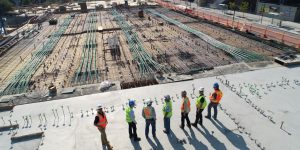
Getting eyes on every part of a tall building or a sprawling site used to be a real headache. Workers had to climb, use lifts, or set up complex scaffolding, all of which are risky and slow. Drones can safely and quickly reach tight spots and high places. They can spot cracks, assess structural integrity, and monitor progress in areas that were previously difficult to achieve. This means you catch problems earlier and don’t have to put workers at risk. It’s a safer and more efficient way to obtain the inspection data you need. For more information on how these flying machines are changing things, visit Wispr Systems.
- Faster Data Collection: Get surveys and progress reports in days, not weeks.
- Reduced Risk: Keep workers out of dangerous areas.
- Improved Accuracy: Make informed decisions with precise, up-to-date information.
- Cost Savings: Lower labor, equipment, and material waste costs.
Using drones isn’t just about adopting new technology; it’s about fundamentally rethinking how you manage projects. It’s about making smarter choices, saving money, and keeping your people safe by seeing the whole picture from above.
Navigating the Future of Construction Drone Services
The way we build is changing, and drones play a significant role in that transformation. It’s not just about taking cool aerial photos anymore; these machines are becoming indispensable tools on job sites. The construction industry has been slow to adopt new technology in the past; however, drones are an exception. They offer clear benefits that are hard to ignore, such as saving significant time and money. In 2023 alone, the drone survey market generated over $1.3 billion, underscoring the considerable investment companies are making in this technology. It’s not just the big companies; smaller firms are also finding ways to use drones, making them accessible for projects of all sizes. Drones can access places that humans can’t easily reach, collecting essential data that helps everyone make better decisions more quickly. The market value of construction drones reached $3.9 billion in 2023 and is projected to grow at an annual rate of more than 8.5%. This shows that drones are here to stay and are fundamentally changing how we approach construction projects.
Emerging Trends in Aerial Technology
The future looks even more exciting with new developments on the horizon. We’re seeing drones that can fly and collect data autonomously, without requiring a person to constantly pilot them. Consider drones that can automatically recharge and then return to work, or those that are intelligent enough to navigate obstacles on their own—this level of automation yields even greater efficiency and reduces the risk of human error. Additionally, artificial intelligence (AI) is becoming increasingly proficient at analyzing drone-collected data. AI can identify potential on-site issues, help plan schedules more effectively, and compare what’s being built in real time to the original design plans. It’s like having an extra set of super-smart eyes on the project.
- Autonomous Operations: Drones flying and collecting data with minimal human input.
- AI-Powered Analytics: Smart software that interprets drone data for insights.
- Advanced Sensors: New sensors for thermal imaging, ground-penetrating radar, and more.
- Drone Swarms: Multiple drones working together on large sites.
Strategic Implementation for Competitive Advantage
How do you ensure your company is getting the most out of this technology? It’s not just about buying a drone; it’s about having a plan. You need to consider how drones fit into your existing workflows and what training your team will need. Companies that figure this out now will have a significant advantage over those who don’t. It’s about staying ahead of the curve. The numbers show that companies using drones have already reduced project costs by approximately 25% and accelerated surveying from weeks to just days. Ignoring this technology risks leaving you behind competitors who are already seeing these benefits. It’s essential to consider how drones enhance on-site safety, a significant concern for any construction business.
The pace of technological change means companies must actively integrate drone services to maintain a competitive edge; those who hesitate risk being outpaced by more forward-thinking rivals.
The Growing Importance of Drone Integration
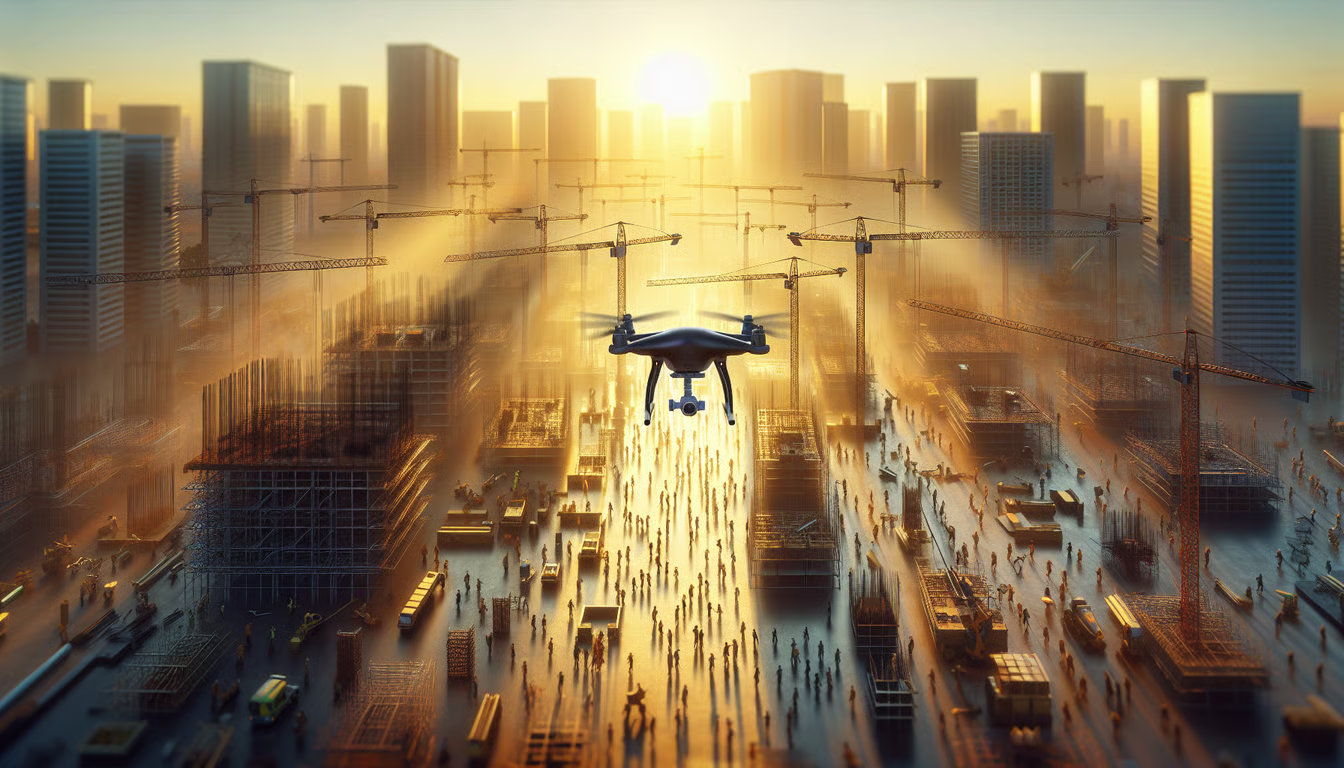
As drones become increasingly intelligent and capable, their role in construction will continue to grow. We’re discussing integrating these technologies with other advanced technologies, such as virtual and augmented reality. Imagine walking through a virtual model of your construction site, updated in real time with drone data. This makes planning and collaboration much easier for everyone involved. The initial cost of drones, including hardware, software, and training, might seem high, but the long-term savings and improvements in accuracy and safety make it a worthwhile investment. It’s clear that drones are no longer a novelty; they are becoming a standard part of modern construction practices. The future of construction is looking up, quite literally.
| Aspect | Traditional Method | Drone Method |
| Surveying Time | Weeks | 1-4 Days |
| Cost Reduction | N/A | Approx. 25% |
| Data Accessibility | Limited | Real-time, detailed |
| Worker Risk | Higher | Significantly Lower |
Drones are revolutionizing the way we build things, offering new ways to monitor projects and capture stunning views. Imagine seeing your construction site from a high vantage point, spotting problems early, and showcasing progress with gorgeous pictures and videos. This technology enables the creation of more innovative and safer buildings. Want to see how drone services can help your next project? Visit our website to learn more and get a free quote!
Wrapping It Up
We’ve discussed extensively how drones are transforming the job site. They’re not just a passing trend. From saving us time and money to keeping folks safer up on the scaffolding, these flying gadgets are making a real difference. Companies that adopt them now will gain a competitive advantage. It’s not really a question of whether you should get on board with drone tech, but more about how and when you’re going to do it. The future of building is looking up, and drones are definitely a big part of that.
Frequently Asked Questions
What exactly are drones, and why are they useful in building projects?
Drones are essentially small, flying cameras that operate without a pilot. In construction, they’re invaluable because they can fly over a site and capture photos or videos from a high vantage point. This helps people visualize the entire project, track progress, and ensure everything is on track. They can reach places that are difficult for people to access, making jobs safer and more efficient.
How can drones help save time and money in construction?
Imagine having to walk around a vast building site every day to see what’s happening. It takes a lot of time! Drones can do that in minutes. They can also measure piles of dirt much faster than by hand. Because jobs are completed more efficiently and fewer people are required for specific tasks, companies save significant money on labor and materials.
Are drones safe to use on construction sites?
Yes, drones actually make construction sites safer! Instead of sending workers up high on scaffolding or into hazardous areas to inspect things, a drone can do it. This means fewer workers are placed in risky situations, helping prevent accidents. It’s like having a robot do the dangerous work for you.
What kind of information can drones collect on a building site?
Drones can collect a wide range of helpful information. They can take self-explanatory photos and videos, create detailed maps of the land, measure the amount of soil moved, and even spot issues such as cracks in structures that might be difficult to see from the ground. This information helps everyone involved in the project make better choices.
Is it challenging for construction companies to adopt drones?
It used to be a bit tricky, but it’s getting much easier now. Some companies specialize in helping construction businesses use drones. They can help you select the right drones, train your team to operate them, and analyze the data they collect. It’s becoming a standard tool, not just something for experts.
Will drones be used in construction for a long time?
Definitely! Drones are already transforming the way building projects are conducted, and they’re only getting better. As the technology improves, they’ll be able to do even more. Companies that currently utilize drones are gaining a competitive advantage, and most construction companies are likely to adopt them in the future to remain efficient.
Popular Posts

May 11, 2026


May 07, 2026


April 03, 2026
February 11, 2026
Comments are closed.