Licensed Drone Operators / UAV Pilots in Las Vegas, Nevada
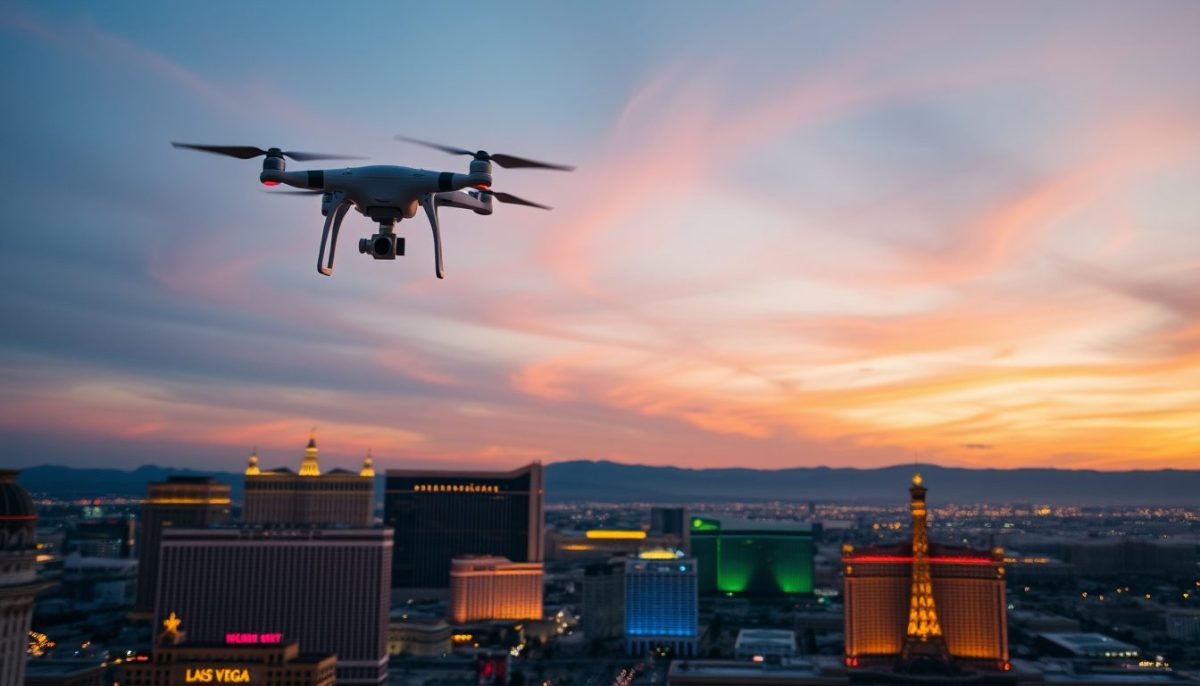
Licensed Drone Operators & UAV Pilots in Las Vegas, Nevada: Ultimate Guide
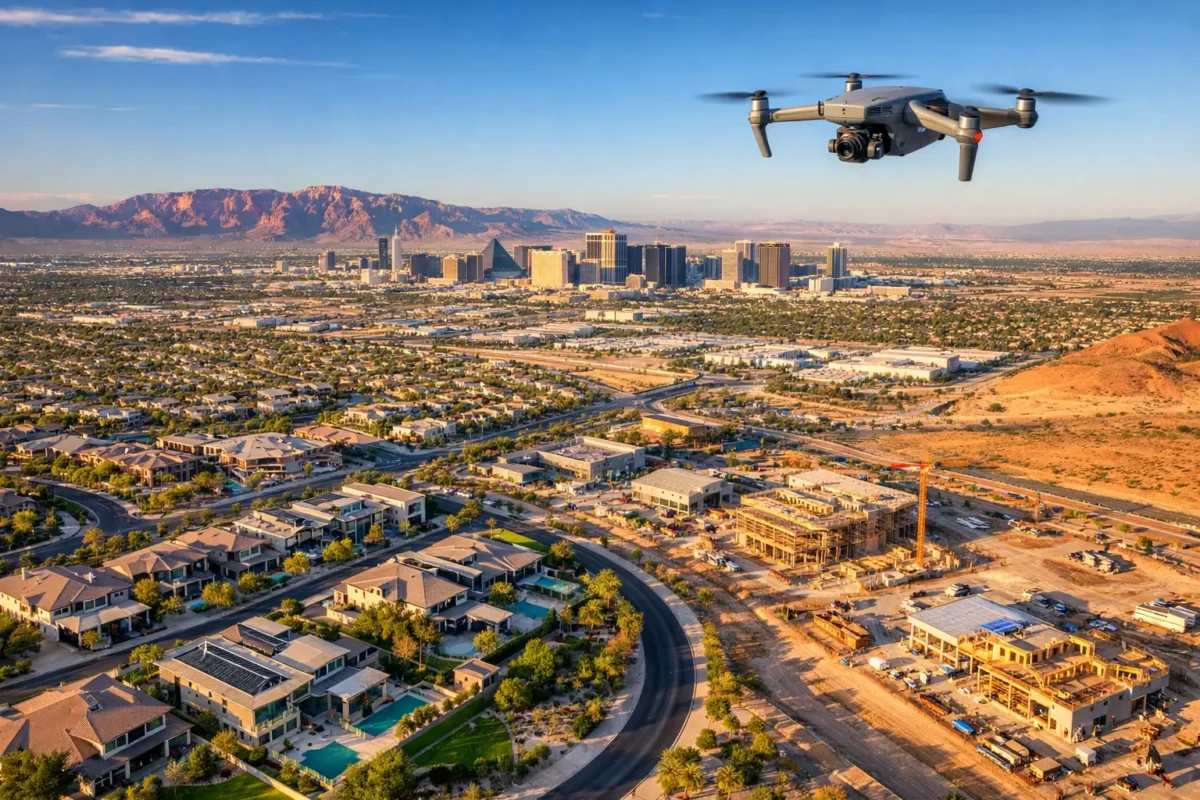
Las Vegas, Nevada, is a bustling hub for licensed drone operators and commercial UAV pilots. The city’s iconic skyline and expansive desert landscapes offer endless opportunities for high-impact aerial photography, real estate showcases, construction mapping, and infrastructure inspections.
However, operating drones in Las Vegas comes with unique challenges—from navigating high-density, controlled airspace to complying with strict federal and local regulations. This comprehensive guide covers everything you need to know about drone operations in Las Vegas, including FAA regulations, top commercial applications, and tips for hiring the right aerial professional.
Key Takeaways
-
Strict Compliance: Commercial drone operators in Las Vegas must hold an FAA Part 107 certification and comply with local airspace restrictions.
-
Diverse Applications: Drone services are heavily utilized across real estate listings, construction monitoring, event coverage, and TV/film production.
-
Complex Airspace: Pilots encounter busy flight corridors, restricted zones near Harry Reid International Airport and The Strip, and changing desert weather.
-
Advanced Tech: Cutting-edge technology—such as thermal imagery, LiDAR, and AI flight path optimization—has dramatically elevated drone capabilities.
Regulations & Compliance for UAV Pilots in Las Vegas
Navigating the skies over Southern Nevada requires strict adherence to federal and local aviation laws.
1. FAA Part 107 Certification
To legally operate a drone for commercial purposes in Las Vegas, pilots must obtain an FAA Part 107 Remote Pilot Certificate. This qualification verifies that the operator understands essential aviation protocols, including:
-
Airspace classification and charts
-
Weather patterns and desert conditions
-
Emergency procedures and radio communication
Pilots conducting specialized operations (such as night flying or flying over non-participants) must also secure appropriate Part 107 waivers.
2. Local Airspace Restrictions & Permits
Because Las Vegas contains multiple airports, helipads, and the heavily congested Las Vegas Strip, much of the area’s airspace is strictly controlled. Drone pilots must coordinate with the Federal Aviation Administration (FAA)—often using LAANC (Low Altitude Authorization and Notification Capability)—as well as local authorities like the City of Las Vegas and Clark County to obtain necessary flight permits.
3. Insurance & Liability Coverage
Commercial drone missions in Las Vegas often require comprehensive general liability and aviation insurance—frequently up to $5,000,000 for major commercial projects or public property permits. Insurance protects both the client and the public in the event of unexpected equipment failure or accidental damage.
Top Applications of Drone Technology in Las Vegas
+---------------------------+--------------------------------------------------------+
| Industry                  | Primary Drone Applications                             |
+---------------------------+--------------------------------------------------------+
| Real Estate & Hospitality | Property showcases, 360 virtual tours, luxury listings |
| Entertainment & Media     | Live broadcasts, commercial shoots, music videos       |
| Construction & Surveying  | Progress tracking, site surveys, volumetric analysis   |
| Infrastructure            | Roof & facade inspections, solar panel thermal scans  |
+---------------------------+--------------------------------------------------------+
Aerial Photography & Videography
Drones have redefined media production along the Las Vegas Strip and surrounding natural landmarks like Red Rock Canyon. Experienced UAV pilots capture cinematic visual angles for television, feature films, live broadcasts, and corporate events.
Real Estate & Property Management
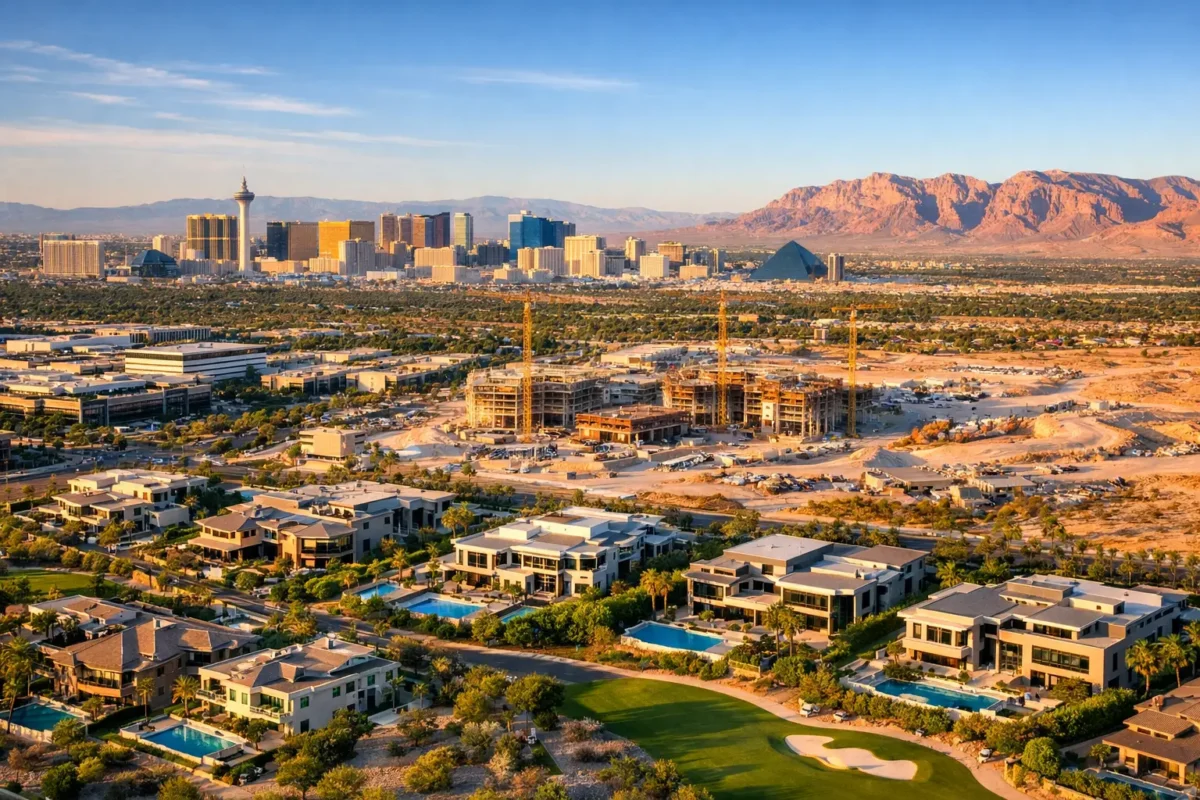
High-end real estate listings in Las Vegas rely heavily on aerial visuals to highlight property boundaries, amenities, and surroundings. Drones offer prospective buyers immersive property tours while providing facility managers with aerial views of expansive roofs and grounds for inspection.
Construction & Infrastructure Inspection
The booming construction sector in Las Vegas utilizes drones for site surveying, thermal imaging, high-resolution mapping, and progress monitoring. UAVs deliver actionable data safely, saving project managers time and reducing operational costs.
How to Choose the Right Drone Operator in Las Vegas
Selecting a qualified UAV pilot is essential for project safety, legal compliance, and high-quality deliverables.
-
Verify Credentials: Always confirm that the pilot holds a valid FAA Part 107 license and carries proper liability insurance.
-
Review Portfolios & Case Studies: Look for a robust portfolio that demonstrates high-quality work in your specific industry (e.g., real estate, thermal inspection, cinematic video).
-
Check Client Reviews: Evaluate past client feedback regarding professionalism, safety standards, and turnaround times.
-
Compare Pricing Structure: Understand whether the pilot charges per hour, per day, or by project deliverable. Ensure all editing and post-processing costs are clearly detailed in the quote.
Challenges Facing Drone Operators in Las Vegas
-
Congested & Controlled Airspace: Proximity to Harry Reid International Airport, North Las Vegas Airport, and Nellis Air Force Base creates complex airspace restrictions requiring advance authorization.
-
Unpredictable Desert Weather: High summer temperatures affect battery performance and lift, while sudden desert wind gusts require skilled manual flight adjustments.
-
Routine Equipment Maintenance: Desert dust and extreme heat accelerate component wear. Professional operators conduct strict pre-flight checklists, calibration, and battery safety checks before every flight.
Technological Innovations in Drone Operations
Modern commercial drones are far more than flying cameras—they are advanced data collection platforms.
-
AI & Smart Sensors: Artificial intelligence enables real-time obstacle avoidance, automated flight paths, and instant thermal data analysis.
-
LiDAR & Thermal Cameras: Multi-spectral sensors allow pilots to perform accurate 3D topographic mapping and detailed building diagnostics.
-
Extended Flight Times: Advances in lithium-polymer (LiPo) and solid-state battery technology enable longer single-flight durations, expanding coverage for large-scale surveys.
Legal & Ethical Considerations
-
Privacy Protection: Drone operators must respect private property rights and avoid capturing recognizable imagery of individuals without explicit permission.
-
Public Safety: Pilots must maintain a visual line of sight (VLOS) at all times and adhere to rules regarding flying over crowds or moving vehicles.
-
Ethical Filming: Transparency with local property owners and strict adherence to local privacy laws ensure smooth project execution.
Conclusion
Licensed drone operators and UAV pilots in Las Vegas are transforming how industries capture media, evaluate property, and inspect critical infrastructure. By combining cutting-edge aerial technology with strict regulatory compliance, professional drone pilots deliver safe, cost-effective visual solutions that standard ground methods simply cannot match.
Frequently Asked Questions
Do I need a license to fly a drone commercially in Las Vegas?
Yes. Any commercial drone operation requires an active FAA Part 107 Remote Pilot Certificate.
Can I fly a drone over the Las Vegas Strip?
The Las Vegas Strip is located in heavily restricted airspace due to its proximity to Harry Reid International Airport. Flying here requires special airspace authorization and coordination with local authorities.
Is drone insurance required in Las Vegas?
While federal law does not explicitly mandate it for all flights, most commercial clients, event venues, and local permit offices require pilots to carry active liability insurance.
How do I request airspace authorization in Las Vegas?
Pilots use FAA-approved LAANC apps (such as Aloft or Air Control) to request near-real-time automated authorization in controlled airspace up to specified altitude limits.
Need Professional Drone Services in Las Vegas?
Contact our certified UAV team today for tailored aerial photography, video, and inspection solutions for your project!
Popular Posts

September 07, 2026
September 06, 2026
September 04, 2026
September 04, 2026
September 03, 2026
September 02, 2026
Comments are closed.