1. Essential Skills: Mastering Flight and Safety
Before capturing high-resolution aerial shots, you must build confidence at the controls and prioritize safe operations.
Flight Fundamentals
-
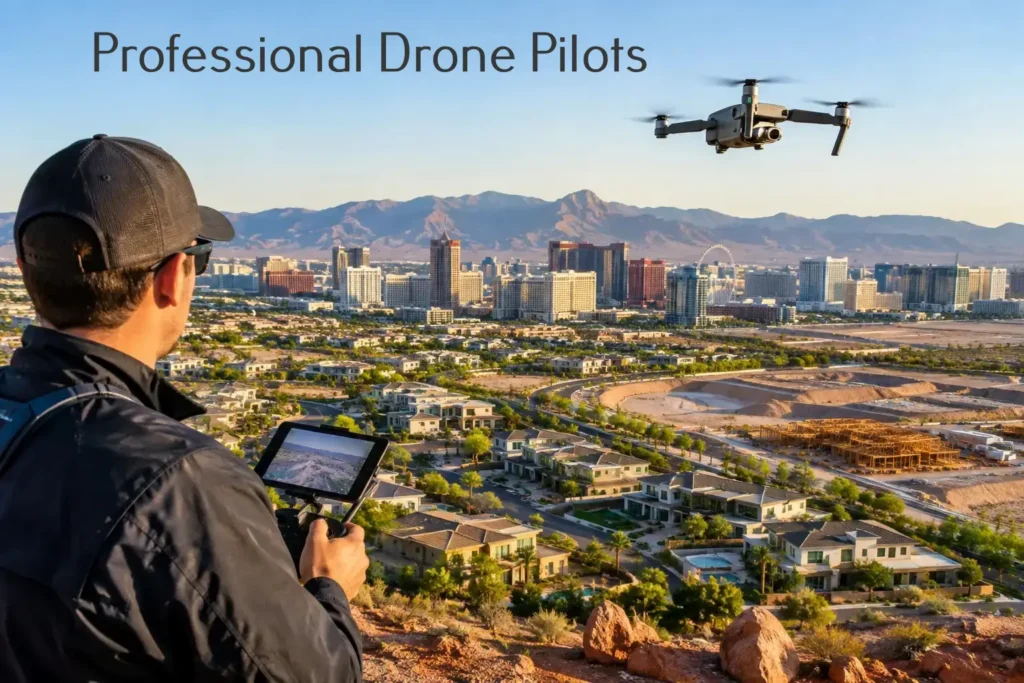
Practice Core Maneuvers: Focus on smooth takeoffs, precise hovering, and soft landings in wide-open, obstacle-free spaces.
-
Pre-Flight Checklist: Always check weather conditions, inspect the airframe for damage, verify battery health, update firmware, and confirm local airspace permissions.
Regulatory Compliance & Safety
-
Know Local Airspace Rules: Maintain visual line-of-sight (VLOS) flying and stay below regulatory altitude caps (typically 400 ft / 120m). Avoid restricted airspace near airports, military sites, and national parks without proper authorization or airspace waivers.
-
Respect Privacy & Ethics: Avoid low-altitude flights directly over private residences or crowded public events without explicit consent.
2. Elevating Your Perspective: Aerial Composition & Techniques
Creating compelling drone photos goes beyond simply flying high—it relies on applying intentional design principles from a bird’s-eye view.
-
Verticality and Scale: Shoot straight down (a top-down or orthomosaic perspective) over cityscapes or forests to emphasize depth, symmetry, and architectural patterns.
-
Abstract Aerial Art: Isolate natural textures, winding roads, or coastline contrasts to transform everyday landscapes into captivating geometric art.
-
Mastering Natural Light: Take advantage of the golden hours (dawn and dusk) when low sun angles cast long, dramatic shadows and produce a warm, soft glow that adds strong visual depth.
3. Equipment & Camera Settings for Crisp Images
Achieving sharp, noise-free drone photography depends heavily on selecting the right gear and dialing in manual settings.
| Gear & Setting | Recommended Best Practices |
|---|---|
| Drone Selection | Choose models featuring large sensors (such as 1-inch or Micro Four Thirds), multi-axis gimbals, long flight times, and omnidirectional obstacle avoidance. |
| Shutter Speed | Keep shutter speeds at 1/500s or faster to eliminate motion blur caused by drone movement or wind turbulence. |
| ISO & Aperture | Maintain ISO at 100–200 to minimize digital noise; set your aperture around f/2.8 to f/5.6 for peak sensor sharpness. |
| Exposure Management | Shoot in RAW format, utilize live camera histograms, and use Auto Exposure Bracketing (AEB) to capture high-contrast scenes without blowing out highlights. |
4. Post-Production and Storytelling
Raw aerial photos reach their full creative potential during the editing process.
-
Subtle Color & Contrast Tuning: Adjust highlights, shadows, and color balance in photo editing software to reflect the environment’s true mood without oversaturating tones.
-
Clarity & Noise Reduction: Apply targeted sharpening and localized noise removal, particularly for high-ISO low-light or twilight shots.
-
Curating for Exhibition: Select a cohesive theme when building print galleries or digital portfolios to tell a unified visual narrative.
5. The Future of Drone Photography
As aerial technology evolves, AI-driven flight pathing, advanced obstacle detection, and longer battery performance continue to push creative boundaries. Drones are no longer simple flying cameras—they are essential visual tools across fine art, commercial projects, and real estate marketing.
Frequently Asked Questions
What camera settings are best for drone photography?
Set your shutter speed to at least 1/500s, keep your ISO low (100–200), shoot in RAW format, and use exposure bracketing (AEB) to capture the full dynamic range in high-contrast lighting.
Do I need a license or permit to fly a drone commercially?
Yes. Commercial drone operations in most regions require official remote pilot certification and adherence to local civil aviation authority guidelines.
How do drones enhance real estate and commercial projects?
Aerial views highlight property boundaries, neighborhood context, roof conditions, and structural design features that ground-level photos cannot capture, significantly boosting buyer engagement.