Drone Construction Progress Monitoring
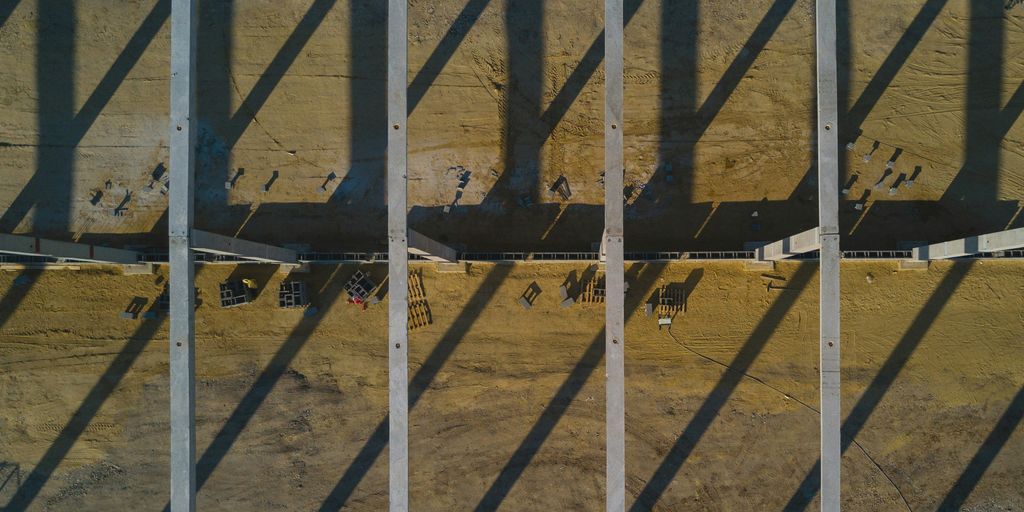
Drone Construction Progress Monitoring. Drones are transforming how we monitor construction projects. They help us keep track of progress quickly and accurately, ensuring everything stays on schedule and within budget. This article examines the role of drones in construction, the benefits they offer, and the future of this innovative technology.
Key Takeaways
- Drones save time by quickly collecting data from construction sites.
- They help reduce costs by minimizing the need for manual inspections.
- Drones provide accurate reports, keeping everyone informed.
- Using drones enhances safety by enabling inspection of hard-to-reach areas.
- They allow for better planning and decision-making with real-time data.
Enhancing Efficiency with Drone Construction Monitoring

Streamlining Data Collection
Drones are revolutionizing data collection on construction sites. By flying over the area, they can quickly and efficiently gather real-time information. Project managers can access the data they need without waiting for lengthy reports. Drones can cover large areas quickly, making it easier to track progress and identify issues.
Reducing Labor Costs
Using drones can significantly reduce labor costs. Instead of sending multiple workers to survey the Site, a single drone can do the job in a fraction of the time. This saves money and allows workers to focus on more critical tasks. Drones help streamline operations, ensuring projects stay on schedule and within budget.
Improving Reporting Accuracy
Drones provide high-resolution imagery and data to create detailed reports. This leads to more accurate assessments of project progress. With consistent aerial views, project managers can easily compare current conditions to previous data and promptly address any discrepancies.
By integrating drone technology into construction monitoring, companies can enhance efficiency, safety, and cost-effectiveness.
| Benefit | Description |
|---|---|
| Real-Time Monitoring | Drones provide immediate updates on project status, reducing lag time. |
| Cost Savings | Lower labor costs by minimizing the need for on-site personnel. |
| Enhanced Data Quality | High-resolution images facilitate better reporting and informed decision-making. |
Transforming Project Management with Aerial Insights

Real-Time Progress Updates
Drones provide real-time updates on construction progress, allowing project managers to see what is happening on-site. This immediate access to information helps make quick decisions and adjustments as needed.
Comprehensive Site Analysis
Using drones for site analysis offers a complete view of the construction area. This includes capturing detailed images and data to assess the project’s status. Drones can cover large areas quickly, making it easier to identify issues as they arise.
Facilitating Stakeholder Communication
Drones enhance communication among stakeholders by providing precise visual data. This helps everyone involved, contractors and investors, stay informed about the project’s progress. Regular aerial updates can be shared easily, ensuring all parties are on the same page.
Drones are revolutionizing how we monitor construction projects, making it easier to track progress and communicate effectively.
In summary, the use of drones in construction project management not only improves efficiency but also enhances communication and decision-making. By leveraging aerial insights, teams can ensure that projects stay on track and within budget.
Leveraging Drone Technology for Safety Compliance
Identifying Safety Hazards
Drones are transforming the way we perceive safety on construction sites. They can fly at high altitudes and provide aerial views that help identify potential hazards without putting workers at risk. This means project managers can identify areas that are difficult to access or hazardous to inspect on foot. By using drones, companies can reduce accident risk and ensure team safety.
Conducting Regular Inspections
Regular inspections are crucial for maintaining safety standards. Drones can easily monitor construction sites, even in bad weather when it might be too muddy for workers to walk around. This allows for continuous oversight without delaying the project. Here’s how drones help:
- High-resolution images capture detailed views of the Site.
- Drones can create 3D models to visualize the entire area.
- They can also produce thermal maps to detect leaks or cracks in structures.
Ensuring Regulatory Adherence
Staying compliant with safety regulations is essential for any construction project. Drones help ensure that all safety measures are being followed. They provide thorough inspection documentation that can be stored for future reference. This way, companies can easily demonstrate compliance with safety standards and regulations.
By integrating drone technology into safety compliance, construction companies not only protect their workers but also enhance their overall project efficiency.
In summary, leveraging drone technology for safety compliance is a smart move for construction companies. It helps identify hazards, conduct regular inspections, and ensure adherence to safety regulations, ultimately leading to a safer work environment.
Maximizing Cost Savings through Drone Applications

Minimizing Delays and Overruns
Using drones can significantly reduce delays in construction projects. By providing real-time data, drones help project managers identify issues before they escalate. This proactive approach enables teams to address problems promptly, thereby preventing costly overruns. For example, if a drone detects a supply shortage, managers can reorder materials before they run out, keeping the project on track.
Optimizing Resource Allocation
Drones provide a comprehensive view of the construction site, enabling more effective resource management. Project managers can allocate resources more effectively by monitoring equipment usage and material stockpiles. This ensures that heavy machinery is used efficiently and materials are ordered just-in-time, reducing waste and unnecessary costs.
Reducing Inspection Costs
Drone inspections are faster and more cost-effective than traditional methods. They eliminate the need for manual inspections in hazardous areas, reducing labor costs and minimizing risks. With drones, assessments can be conducted regularly without requiring an extensive workforce, resulting in significant long-term savings.
Drones are transforming the construction industry by enhancing precision, safety, and efficiency in project management. They streamline surveying and inspection processes, leading to significant cost savings and time efficiencies.
| Cost Savings Aspect | Traditional Method | Drone Method | Savings Percentage |
|---|---|---|---|
| Inspection Frequency | Weekly | Daily | 30% |
| Labor Costs | High | Low | 40% |
| Material Order Efficiency | Delayed | Real-time | 25% |
By integrating drone technology into construction processes, companies can reduce costs and improve overall project efficiency. This innovative approach enhances productivity, ensuring projects stay on schedule and within budget.
Utilizing Drone Data for Informed Decision-Making
Drones are transforming the way construction teams make decisions. By capturing high-resolution images and real-time data, drones enable construction teams to make more informed decisions, reduce risks, and improve safety. Here’s how drone data can be utilized effectively:
Creating 3D Models for Visualization
- Drones can create detailed 3D models of construction sites. This helps teams visualize the project and identify potential issues before they become problems.
- These models can also show clients what the finished project will look like, enhancing communication and trust.
Enhancing Inventory Management
- Keeping track of materials and equipment on-site can be challenging. Drones help monitor inventory efficiently, saving time and reducing errors.
- With drone data, teams can quickly assess the available materials and determine what needs to be ordered, ensuring smooth operations.
Improving Structural Integrity Assessments
- Regular inspections are crucial for ensuring safety. Drones can quickly identify structural vulnerabilities, helping to prevent future issues.
- By identifying problems early, teams can save money and avoid costly repairs later.
Drones provide a bird’s eye view that traditional methods simply cannot match, allowing for thorough inspections and better decision-making.
In summary, drone data streamlines processes and improves overall efficiency in construction projects. By leveraging this technology, teams can make informed decisions that lead to successful outcomes.
Innovative Use Cases for Drone Construction Monitoring

360 Site Views
Drones offer 360° views of construction sites, enabling project managers to view the entire area from above. This helps in understanding the project layout and progress. By capturing aerial images, teams can easily spot any issues that need attention.
Volumetric Measurements
Using drones for volumetric measurements enables construction companies to track materials entering and leaving the Site. This method saves time and money by providing accurate stockpile data and material usage. For example, a drone can measure the volume of a stockpile in just a few minutes, whereas doing so manually would take significantly longer.
| Measurement Type | Time Saved | Cost Saved |
|---|---|---|
| Stockpile Volume | 80% | 30% |
| Material Tracking | 70% | 25% |
Automated Routine Inspections
Drones can perform automated routine inspections of construction sites. This means they can regularly check for safety hazards and ensure compliance with building codes without requiring on-site workers. This enhances safety and ensures that potential issues are identified early, thereby reducing the risk of costly delays.
Regular drone inspections can significantly reduce safety risks and keep projects on schedule.
In summary, the innovative use of drones in construction monitoring enhances efficiency, safety, and cost-effectiveness. By leveraging these technologies, construction teams can ensure that projects are completed on time and within budget.
Future Trends in Drone Construction Monitoring
As drone technology continues to evolve, several emerging advancements are poised to further revolutionize construction monitoring. Here are some key trends to watch:
The future of drone construction monitoring is bright, with technology enabling safer, more efficient, and cost-effective construction practices.
As we look ahead, the future of drone construction monitoring is bright and full of exciting possibilities. Drones are poised to revolutionize the way we track and manage construction projects, making them more efficient and accurate. To stay updated on the latest trends and innovations in this field, visit our website for more information and insights!
Conclusion
In conclusion, using drones to monitor construction progress is a game-changer. They save time, cut costs, and improve safety on job sites. With drones, project managers can get real-time updates and detailed reports without being on-site. This technology helps keep projects on track and facilitates better communication among all parties involved, from workers to investors. As construction projects become increasingly complex, drones will continue to play a vital role in ensuring smooth, efficient execution.
Frequently Asked Questions
What is drone construction progress monitoring?
Drone construction progress monitoring uses drones to track a project’s progress. Drones capture aerial photos and videos to help managers verify that everything is on schedule.
How do drones help save time on construction sites?
Drones can quickly fly over a construction site and gather information faster than walking around. This means project managers can receive updates immediately without waiting for reports.
Can drones improve safety on construction sites?
Yes! Drones can access areas that are difficult to reach or hazardous for workers. This helps identify safety issues without putting anyone at risk.
What kind of data can drones collect?
Drones can collect various types of data, including photos, videos, and maps. This information can be used to create 3D models and track project progress.
How do drones help with communication among project teams?
Drones provide clear images and data that can be easily shared with all project stakeholders. This keeps everyone informed and helps them make better decisions.
What are some future trends for drones in construction?
In the future, we can expect drones to become even more advanced, incorporate artificial intelligence, and be used across a broader range of applications in the construction industry.
Popular Posts

February 11, 2026

February 11, 2026

January 23, 2026

January 22, 2026
November 14, 2025

November 04, 2025
Comments are closed.