Inside Look: Drone Pre-Flight Planning Process
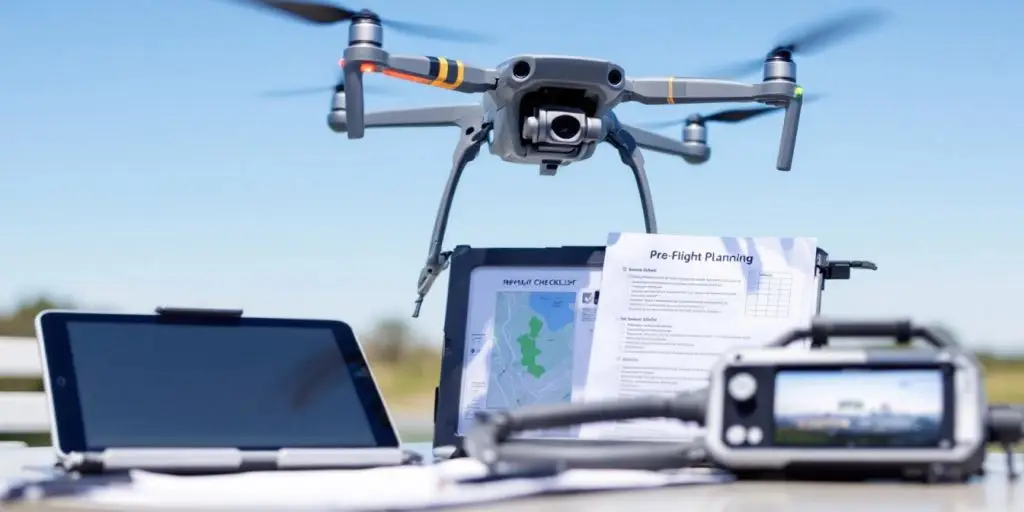
Inside Look: The Complete Drone Pre-Flight Planning Process
Planning a commercial or recreational drone flight isn’t just about pressing “takeoff.” It requires a structured, multi-step process to guarantee flight safety, maximize operational efficiency, and maintain strict regulatory compliance.
Whether you are an aerial photographer, surveyor, or enterprise operator, this guide breaks down the essential pre-flight workflow to ensure every mission is safe and successful.
Key Takeaways
-
Safety First: Comprehensive pre-flight planning prevents costly accidents and equipment damage.
-
Regulatory Compliance: Airspace checks and adherence to local rules are non-negotiable under FAA Part 107 Regulations.
-
Weather Awareness: Wind, visibility, and temperature directly impact battery life and flight stability.
-
Systematic Checks: A standardized drone pre-flight checklist eliminates human error before launch.
Why Pre-Flight Planning Matters
A structured pre-flight plan turns unpredictable aerial operations into repeatable, safe missions. Skipping this phase increases operational risk and liability.
Core Benefits:
-
Hazard Identification: Spot power lines, low visibility, or non-cooperative air traffic before taking off.
-
Legal Protection: Ensure full compliance with federal and municipal aviation laws.
-
Resource Optimization: Prevent wasted trips caused by dead batteries, uncharged controllers, or corrupt memory cards.
Step 1: Airspace Research and Legal Compliance
Before powering on your aircraft, verify that your operational area is clear for flight.
Conducting Airspace Checks
-
Identify Controlled Airspace: Use sectional charts or LAANC-enabled apps to determine if you are flying in Class B, C, D, or E airspace.
-
Check Temporary Flight Restrictions (TFRs): Look for real-time flight restrictions caused by VIP movements, stadium events, or emergency operations.
-
Apply for Authorization: If operating in controlled airspace, request automated approval via LAANC authorization tools or submit an FAA portal request.
Federal and Local Regulations
-
FAA Part 107 Rules: Remote pilots must maintain line of sight, operate at or below 400 feet AGL, and keep the drone under 55 lbs unless granted a specific FAA Waiver.
-
Local Municipal Codes: Review municipal ordinances regarding park takeoff/landing zones and privacy laws.
Step 2: Weather & Environmental Monitoring
Unfavorable weather is one of the leading causes of drone flyaways and crashes. Always check aviation weather reports (METARs/TAFs) prior to launch.
Pro Tip: Use specialized weather tools like AirData UAV or UAV Forecast to track satellite visibility, KP index (solar activity), and ground-level vs. altitude wind speeds.
Step 3: Equipment Inspection & Hardware Prep
A thorough physical inspection ensures your aircraft is airworthy.
[ ] Airframe: Check for cracks, loose screws, or motor arm wear.
[ ] Propellers: Inspect for chips, cracks, or loose fittings.
[ ] Sensors & Lenses: Ensure obstacle avoidance sensors and cameras are clean.
[ ] Firmware: Verify drone, controller, and battery firmware are updated.
[ ] Storage: Ensure high-speed SD cards are formatted and inserted.
Battery Management
-
Ensure all flight batteries, mobile devices, and remote controllers are fully charged.
-
Always pack spare batteries to account for unexpected flight delays or reroutes.
Step 4: Site Assessment & Safety Perimeters
Analyzing your physical surroundings on-site prevents ground-level collisions and bystander incidents.
-
Identify Static Hazards: Scan for trees, guy wires, building overhangs, and high-voltage power lines.
-
Establish Launch & Landing Zones (LZ): Select a flat, dry, and debris-free area away from crowds. Mark a secondary emergency landing spot.
-
Bystander Safety: Set up a safe perimeter, inform ground personnel of your flight path, and designate a Visual Observer (VO) if operating in complex environments. Learn more in our guide to Drone Site Safety Practices.
Step 5: Final Launch Protocol
Execute this short pre-takeoff routine immediately prior to spinning up the motors:
-
Power Sequence: Turn on the controller first, followed by the aircraft.
-
GPS & Compass Verification: Confirm strong satellite lock (10+ satellites minimum) and set the home point automatically.
-
Hover Test: Elevate to 10–15 feet and hover for 15 seconds. Test pitch, roll, and yaw responsiveness before proceeding with the mission.
Step 6: Post-Flight Analysis & Logging
The flight process doesn’t end when the drone lands. Post-flight procedures extend equipment lifespans and maintain compliance records.
-
Data Backup: Immediately transfer photos, video, or thermal data to secure storage.
-
Hardware Inspection: Check motors for heat buildup, inspect props for new damage, and store batteries at safe storage voltages.
-
Log the Flight: Document flight hours, pilot details, telemetry issues, and location metrics in your Drone Flight Management Software.
Frequently Asked Questions
What is a drone pre-flight planning process?
A drone pre-flight planning process is a systematic procedure that remote pilots follow prior to launch. It includes airspace verification, weather monitoring, site hazard assessments, and hardware safety checks.
Is a pre-flight checklist legally required for commercial drone pilots?
Yes. Under FAA Part 107 regulations, remote pilots-in-command (PIC) are required to conduct a pre-flight assessment of the aircraft and operational environment to ensure safe operation.
How far in advance should I plan a drone flight?
Initial airspace, permit, and client requirements should be researched 3 to 7 days prior to the flight. Weather assessments and physical equipment checks should be completed 24 hours before and re-verified on-site.
Need Professional Aerial Services?
When you hire a commercial drone company, rigorous safety protocols make all the difference. Contact our certified drone team today to discuss your next aerial inspection, survey, or media project.
Popular Posts
August 13, 2026
August 12, 2026
August 11, 2026

August 09, 2026
August 09, 2026
August 08, 2026
Comments are closed.