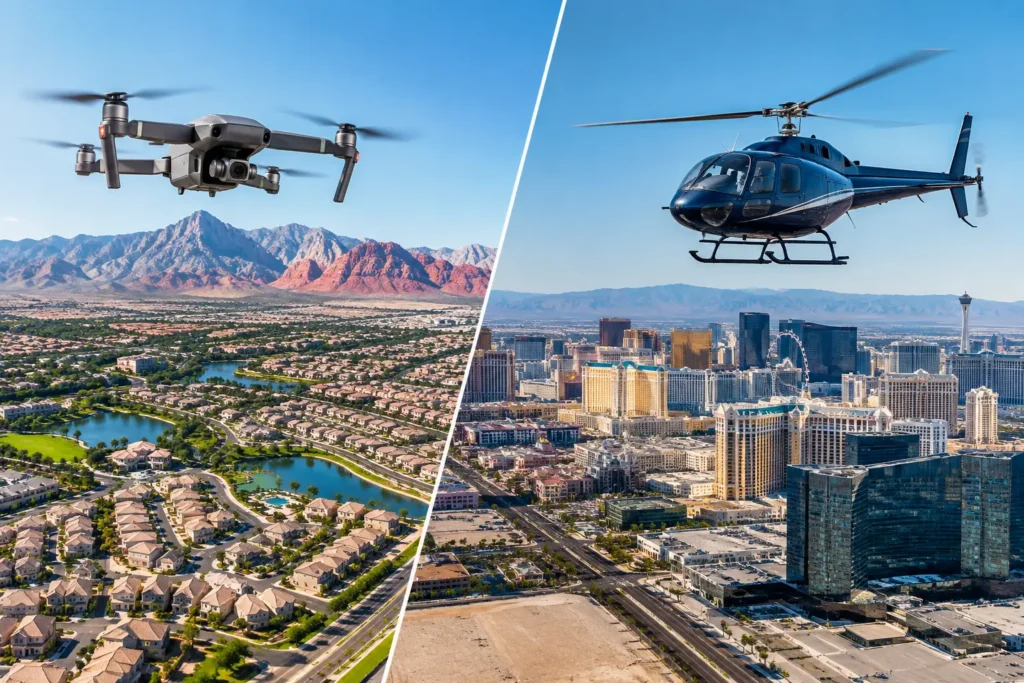
Aerial media can change how a property is understood before a buyer, tenant, investor, or project stakeholder ever arrives on-site. But when teams compare professional pilots versus in-house drones, the real decision is not simply whether to own a drone. It is whether aerial imaging is a recurring operational function worth building internally or a specialized service best handled by an experienced flight partner.
For a Las Vegas Valley listing, development site, or commercial asset, the answer often comes down to speed, airspace, visual standards, and the cost of getting a usable final product — not just getting a drone into the air.
Professional Pilots Versus In-House Drones: The Core Difference
An in-house drone program can sound efficient. A brokerage, developer, or construction team purchases equipment, assigns a staff member to obtain certification, and ensures aerial coverage is available when needed. For organizations with a high volume of repeatable work, that model may be practical.
The hidden work begins after the purchase. Commercial drone operations require more than a capable aircraft and a Part 107 certificate. The team must manage flight planning, weather decisions, pre-flight inspections, batteries, firmware updates, airspace research, client expectations, insurance, file management, editing, and safe operations around people, structures, vehicles, and active job sites.
A professional aerial provider packages those responsibilities into a project-based service. The client provides the property goals, access details, and desired deliverables. The flight team handles the operational work and returns polished visual assets built for marketing, documentation, planning, or stakeholder communication.
That distinction matters when a listing needs to go live quickly, a construction update is time-sensitive, or a site is near controlled airspace.
The Real Cost Is More Than the Drone
The purchase price of a drone is easy to see. The ongoing cost of dependable commercial production is less obvious.
A capable aerial setup may include multiple batteries, charging systems, storage media, safety equipment, backup aircraft, editing software, monitors, computers, insurance, and replacement gear. Equipment also ages quickly. Cameras improve, batteries lose capacity, and software updates can interrupt a workflow at the worst possible time.
Then there is labor. A staff member flying for an hour may spend several additional hours planning, traveling, coordinating site access, capturing footage, transferring files, selecting images, editing video, exporting deliverables, and resolving revisions. If that person is also an agent, project manager, superintendent, or marketing coordinator, drone work competes with their primary responsibilities.
Hiring a professional pilot does not always cost less on a single shoot. It can, however, cost far less than building an internal capability used only occasionally. For many real estate and development teams, the better question is: How often will we need high-quality aerial media, and what does it cost us when it is delayed, unusable, or noncompliant?
Compliance Is a Business Issue, Not a Technical Detail
Commercial drone footage is subject to FAA regulations, and Southern Nevada adds an extra layer of airspace complexity that clients should not have to navigate alone. Properties near Harry Reid International Airport, Nellis AFB, or other restricted and controlled areas may require careful planning and formal authorization before flight.
A professional operator evaluates the location before arriving on-site. That includes checking airspace requirements, temporary flight restrictions, weather, surrounding hazards, and operational limits applicable to the mission. If a flight cannot be conducted safely or legally, a qualified provider explains the constraint and looks for a compliant alternative.
An in-house pilot can develop this expertise, but it takes time and consistent practice. The risk is not limited to a canceled shoot. Improper operations can expose a company to safety concerns, reputational damage, insurance questions, and avoidable project delays.
FAA-certified pilots and comprehensive liability insurance provide a practical layer of protection. They also give sellers, property owners, site managers, and investors greater confidence that the shoot will be handled professionally.
Visual Quality Depends on More Than Resolution
Most modern drones can capture sharp images. That does not mean every aerial image sells a property or communicates a development opportunity.
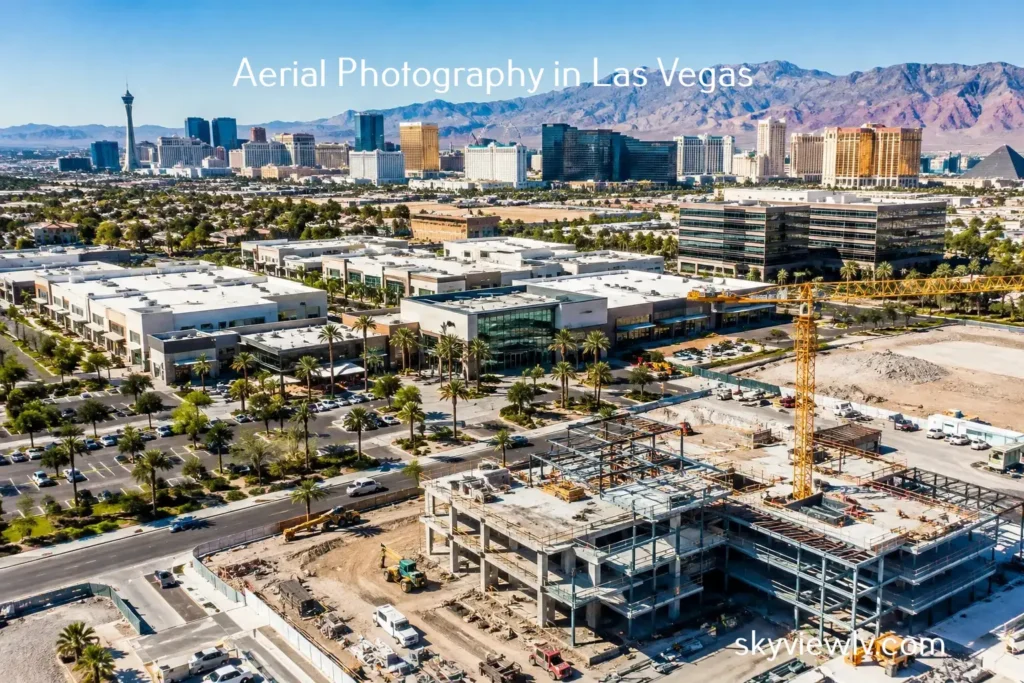
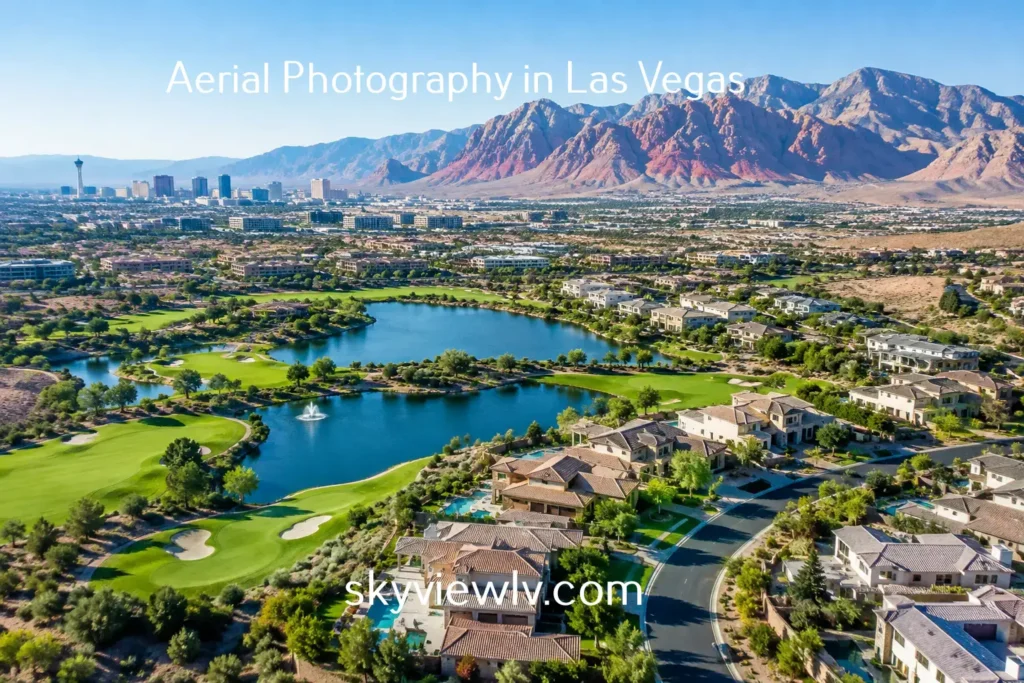
Professional aerial production starts with the asset’s purpose. A residential listing may need a clean establishing image that shows lot size, neighborhood context, outdoor amenities, nearby views, and access without making the home look small or distorted. A commercial property may need to show ingress and egress, parking, road visibility, adjacent tenants, surrounding rooftops, and proximity to major corridors.
For land and development, priorities may differ. Investors and project teams often need a clear picture of site boundaries, topography, construction progress, staging areas, infrastructure, and the relationship between the parcel and the broader market. The pilot must know which angles provide useful context and which merely look dramatic.
Cinematic video requires another level of planning. Flight paths should feel intentional, camera movement should be controlled, and the sequence should support the property’s story. A quick overhead pass may document a location, but it rarely creates the premium visual impression that helps a listing stand apart online.
At Sky View LV, aerial missions are designed around the decision the viewer needs to make — whether that is booking a showing, evaluating a site, approving a milestone, or seeing the scale of an opportunity.
When an In-House Drone Program Makes Sense
Outsourcing is not automatically the right choice for every organization. An internal program can be valuable when a company has frequent, predictable aerial needs and the staff capacity to support it properly.
A large construction firm that documents multiple active sites each week may benefit from a trained internal operator to capture routine progress. A property management company with a substantial portfolio may use an in-house drone for basic roof inspections or routine visual documentation, provided each mission is legally permitted and the team has the appropriate processes in place.
Even then, many organizations use a hybrid model. Internal staff handles straightforward, repeatable documentation while professional pilots are brought in for high-value marketing launches, controlled airspace, complex locations, cinematic video, 360-degree photo spheres, or projects where presentation quality carries greater financial weight.
That approach keeps daily operations flexible without asking one employee to become a full-time aviation, production, and post-production department.
Speed Comes From Preparation, Not Just Availability
An in-house drone sitting in an office may appear faster than booking a service provider. In practice, availability matters only if the flight can be completed safely, legally, and to the required quality level.
Professional pilots build their workflow around readiness. They confirm the scope, evaluate the location, coordinate timing, prepare equipment, capture the required angles, and deliver files in formats that fit the client’s marketing or reporting plan. That preparation reduces surprises on shoot day.
For real estate professionals, speed also means receiving media that is ready to use. Raw files still require selection and finishing before they belong in a listing presentation. For construction and development teams, speed means receiving organized assets that make progress easy to review and share with owners, lenders, and stakeholders.
The value is not simply faster flight. It is faster movement from site visit to a useful business asset.
Choose Based on the Stakes of the Project
The most practical decision framework is simple: match the aerial solution to the importance, frequency, and complexity of the work.
If aerial coverage is occasional, client-facing, near regulated airspace, or essential to a major sale, lease, investment presentation, or development update, professional pilots offer a focused way to protect quality and compliance. If your team needs frequent routine captures and has the volume to justify the costs of training, equipment, insurance, and oversight, an in-house program may earn its place.
Before assigning the next flight internally, consider what the images must accomplish after they leave the drone. The strongest aerial media does more than show a property from above — it gives the right audience a reason to look closer.