Can You Fly a Drone at the Beach?
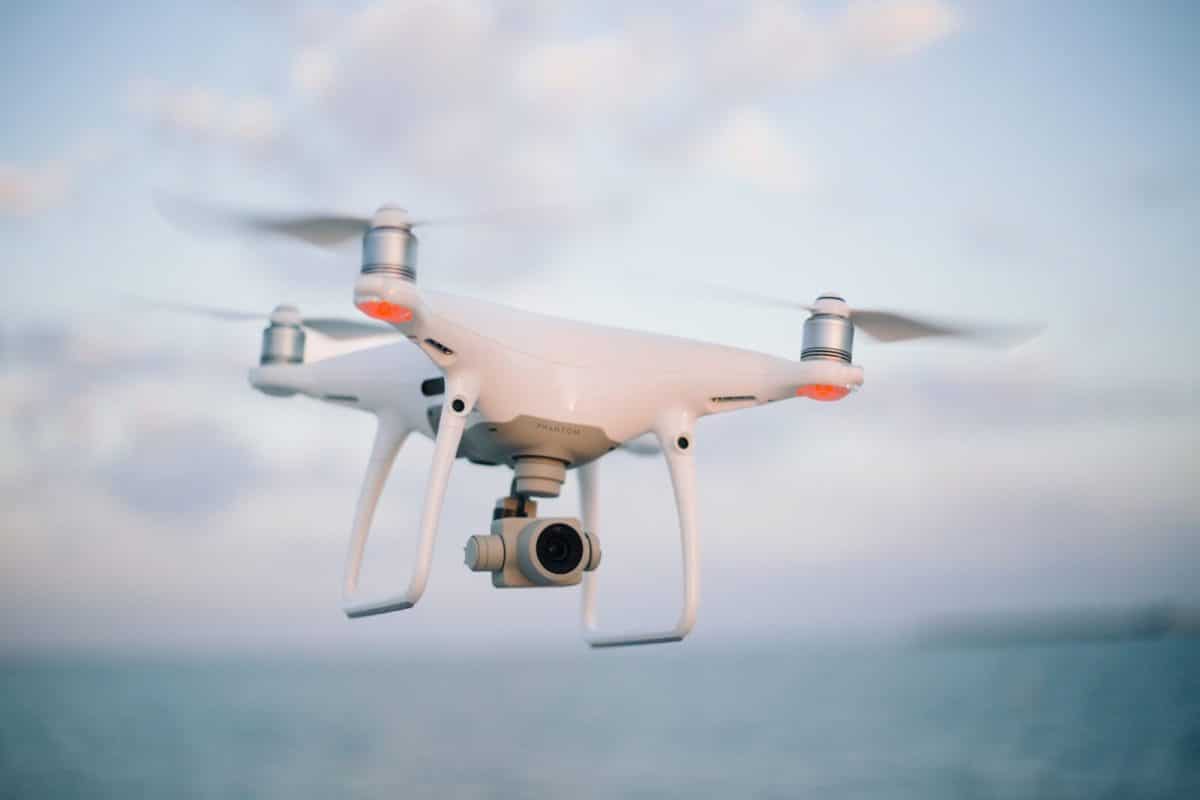
Can You Fly a Drone at the Beach? Complete FAA & Local Rules Guide
Yes, you can fly a drone at the beach in most cases, but doing so legally depends on Federal Aviation Administration (FAA) regulations, local beach ordinances, and environmental protections. While federal airspace over the ocean is generally open, local laws often restrict launching, landing, and operating drones directly from the sand.
Whether you’re capturing scenic ocean views or capturing a family vacation, here is everything you need to know about flying a drone at the beach safely and legally.
Key FAA Rules for Beach Drone Flights
Regardless of which beach you visit, FAA baseline regulations apply everywhere in the United States. Before taking off, ensure you adhere to these core rules:
-
Maximum Altitude: Always keep your drone at or below 400 feet above ground level.
-
Visual Line of Sight (VLOS): You must be able to see your drone at all times without binoculars or screens.
-
Controlled Airspace (Airports): You cannot fly in controlled airspace near airports without prior authorization via LAANC (Low Altitude Authorization and Notification Capability).
-
Flying Over People: Never fly directly over unprotected people or moving vehicles unless your drone meets the FAA’s specific Category guidelines.
License Requirements: Recreational vs. Commercial
Before launching your drone at the beach, make sure you have the proper credentials:
| Flight Purpose | Requirements |
| Recreational Flying (Fun / Personal Use) |
• Pass the free TRUST (The Recreational UAS Safety Test)
• Register your drone with the FAA if it weighs 0.55 lbs (250g) or more |
| Commercial Flying (Monetized YouTube, Real Estate, Photography) |
• Hold a valid FAA Part 107 Remote Pilot Certificate
• Register your drone with the FAA regardless of weight |
Note: Drones weighing under 250g (like the DJI Mini series) flown purely for recreation do not require FAA registration, but you must still follow all airspace laws and local beach bans.
Beach Drone Restrictions & “No-Fly Zones”
Even if federal airspace is open, you may be prohibited from taking off or landing due to state or local regulations:
1. National Parks & National Seashores
Flying a drone in National Parks, National Monuments, or National Seashores (e.g., Cape Cod, Point Reyes) is strictly illegal under 36 CFR 2.17. Launching, landing, or operating from these lands can result in heavy fines.
2. State & Municipal Beach Laws
Local city or state parks often pass ordinances prohibiting drone takeoffs from public beaches (e.g., many beaches in California, Florida, and New York). Always check local city codes or park signage before unpacking your gear.
3. Wildlife Protection Laws
Coastal areas are critical nesting grounds for sea turtles and shorebirds. Harassing wildlife with a drone violates federal laws, including the Migratory Bird Treaty Act and the Endangered Species Act. Keep a safe distance from marine life and bird sanctuaries.
Privacy Concerns & Etiquette at Crowded Beaches
While airspace isn’t private, infringing on an individual’s reasonable expectation of privacy can lead to civil lawsuits or local police intervention.
-
Avoid Hovering Over Beachgoers: Flying low over people in swimwear can easily be perceived as harassment or invasion of privacy.
-
Focus Over the Water: Point your camera toward the ocean, waves, or uncrowded shorelines to capture stunning footage without disturbing others.
-
Respect Local Signage: If lifeguards or park rangers ask you to land for crowd safety, comply immediately.
Practical Beach Hazards for Drones
Beaches offer incredible photo opportunities, but they are hostile environments for drone hardware:
-
Salt Spray & Corrosion: Coastal air carries fine salt particles that quickly corrode drone motors and internal electronics. Wipe down your gear after every flight.
-
Sand Contamination: Fine sand can easily jam gimbal motors and ruin bearings. Always use a portable drone landing pad instead of taking off from the sand.
-
High Ocean Winds: Offshore winds are significantly stronger than inland breezes. Check local wind gusts at your planned flight altitude before taking off.
Pro Tip: The Takeoff & Landing Loophole
If a public beach has a local “No Drone” sign, the restriction usually applies only to the land itself.
If you stand on legal property nearby (such as a public pier that permits drones or private property where you have permission) and launch from there, you can legally fly over the ocean as long as you maintain a visual line of sight and stay out of restricted airspace.
Summary Checklist Before You Fly
-
Check Airspace: Use an FAA-approved app (like B4UFLY or Aloft) to verify airspace status and apply for LAANC if near an airport.
-
Verify Local Laws: Check city or state park rules on drone launch/landing zones.
-
Inspect the Weather: Ensure wind speeds are well within your drone’s resistance limits.
-
Use a Landing Pad: Protect your camera gimbal and motors from coastal sand.
Planning a coastal trip soon? Make sure to review our guide on [Essential Drone Travel Tips] for packing and transporting your batteries safely!
Popular Posts

September 02, 2026

September 01, 2026

August 31, 2026

August 30, 2026

August 29, 2026

August 28, 2026
Comments are closed.