Exploring the World of Drone Photography | Drone Guide
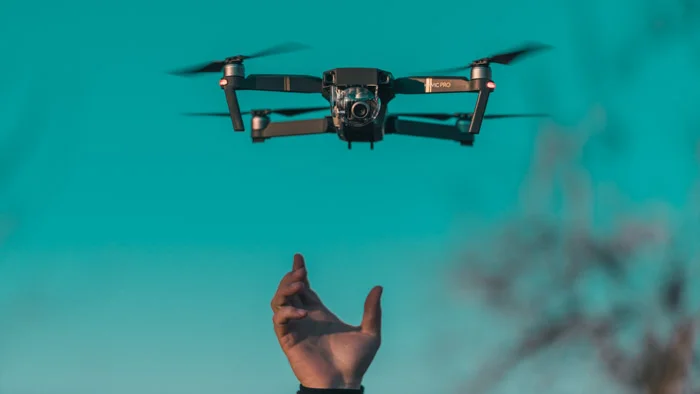
Exploring the World of Drone Photography: The Complete Buyer’s & Flight Guide
Aerial photography has transformed how photographers capture landscape, real estate, and event imagery. While most drone reviews center around video frame rates and cinema specs, photographers need to focus on image sensor size, dynamic range, raw capture, and portable workflows.
Key Features to Consider for Drone Photography
Before choosing a model, evaluate these crucial specs that directly impact still image quality:
-
Sensor Size: A larger camera sensor (e.g., 1-inch or 4/3-inch CMOS) captures significantly more light, rendering better dynamic range and lower noise in low-light conditions.
-
RAW Image Support: Essential for editing aerial shots, allowing maximum recovery of shadow and highlight details.
-
Weight & Portability: Drones weighing under 249 grams (0.55 lbs) often qualify for lighter regulatory requirements for recreational use in many countries, making them ideal travel companions.
-
Obstacle Avoidance & Flight Time: Omnidirectional sensing protects your investment, while longer flight times (30–45+ minutes) give you time to compose the perfect frame.
Recommended Drones for Photographers
Whether you are an aspiring enthusiast or a working commercial photographer, choosing the right drone depends on your budget and image quality standards.
Core Benefits of Drone Photography
-
Unique Perspectives: Elevate your camera to capture vantage points, leading lines, and geometric patterns unavailable from ground level.
-
Access to Remote Locations: Photograph landscapes, coastlines, and structures over terrain that is otherwise inaccessible on foot.
-
Efficiency & Speed: Cover expansive areas in minutes, allowing you to react quickly to changing lighting conditions during golden hour.
FAA Safety Rules & Operating Guidelines
Operating a drone safely requires adhering to local regulatory guidelines. In the United States, the Federal Aviation Administration (FAA) enforces rules under Part 107 (for commercial work) and the Exception for Recreational Flyers:
-
Register Your Drone: Any drone weighing 249 grams or more must be registered with the FAA.
-
Fly Below 400 Feet: Keep your drone below 400 feet to avoid manned airspace.
-
Maintain Visual Line of Sight (VLOS): Always keep your drone within direct sight without using visual aids (other than corrective lenses).
-
Respect Airspace Restrictions: Check local airspace before every flight using FAA-approved apps (e.g., AutoPylot or Air Control) to avoid controlled airspace near airports.
-
Never Fly Over Crowds or moving vehicles, unless operating under specific FAA-certified compliance standards.
How to Start a Drone Photography Business
Transitioning from a hobbyist to a paid drone photographer requires a clear strategy:
-
Obtain Your FAA Part 107 License: Commercial drone operations in the U.S. require passing the FAA Unmanned Aircraft General (UAG) knowledge exam.
-
Invest in Liability Insurance: Secure commercial drone insurance (on a per-flight or annual basis) to protect against property damage or accidents.
-
Build an Aerial Portfolio: Focus on niche verticals such as commercial real estate, construction progress tracking, roof inspections, or fine-art prints.
-
Deliver Professional Files: Master post-processing software (e.g., Adobe Lightroom/Photoshop) for bracketed HDR exposures and RAW editing.
Frequently Asked Questions
Is drone photography expensive?
Costs vary widely depending on your goals. Entry-level, photo-capable mini drones start around $300 to $750. Professional setups with 4/3-inch sensors and extra batteries range between $1,500 and $4,000+. Commercial photographers charge clients between $75 and $500 per hour, depending on experience, market, and deliverables.
How do I choose the best sensor size for aerial photos?
For casual social media posting, a 1/1.3-inch sensor performs well. However, serious photographers shooting in challenging lighting (sunrise, sunset, dusk) should look for a 1-inch CMOS or 4/3 CMOS sensor to ensure crisp, noise-free images with wide dynamic range.
Which companies dominate the consumer drone market?
DJI is the global market leader in consumer and commercial camera drones, known for camera stabilization, obstacle avoidance, and flight performance. Other notable manufacturers in specialized or commercial drone sectors include Autel Robotics, Skydio, and Potensic.
Popular Posts
August 16, 2026
August 15, 2026
August 14, 2026
August 13, 2026
August 13, 2026
August 12, 2026
Comments are closed.