Must-Know Drone Travel Tips
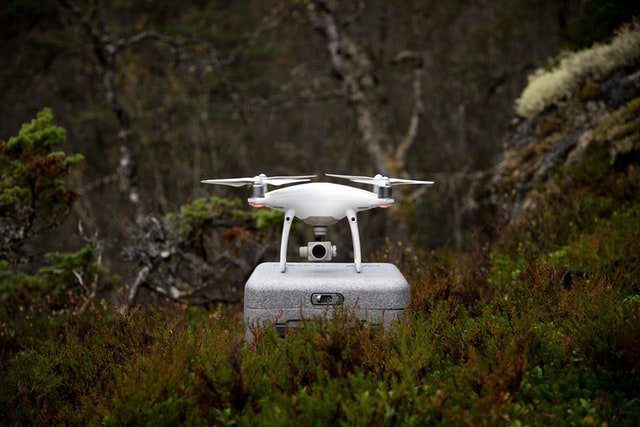
Essential Drone Travel Tips: Laws, Airline Rules & Gear Protection
Traveling with a drone requires significantly more planning than carrying a smartphone or camera. Between strict airline battery regulations, local airspace laws, and international customs restrictions, a little preparation goes a long way toward ensuring a smooth trip.
Whether you are a recreational flyer or a seasoned content creator, use this essential guide to fly legally and keep your gear safe.
1. Research Local Drone Laws & Flight Restricted Zones
It is impossible to overstate the importance of researching destination-specific airspace rules before takeoff. Relying solely on national laws isn’t enough; local ordinances often apply to specific landmarks, cities, or parks.
-
Check Specific Locations: Federal rules may allow drone flights, but local sites (such as U.S. National Parks) may completely ban drone use.
-
Use Airspace Apps: Check real-time maps like DJI FlySafe or B4UFLY for Temporary Flight Restrictions (TFRs) and local no-fly zones before launching.
-
Understand the <250g Advantage: Drones weighing under 250 grams (such as the DJI Mini series) often bypass registration steps in many regions (including the US, EU, and Canada), though flight boundaries must still be respected.
What Happens If You Break Drone Regulations?
Flying illegally in a foreign country or restricted airspace carries severe consequences:
-
Fines: Fines can quickly accumulate, ranging from $3,000 to over $5,000, depending on the jurisdiction.
-
Equipment Confiscation: Authorities can permanently seize your gear on the spot.
-
Deportation or Legal Records: Severe violations can lead to immediate deportation or criminal charges on your police record.
2. Check Customs Regulations & Ban Lists
Before packing, verify whether your destination permits drones through customs. Certain countries strictly prohibit the use of personal UAVs without pre-approved government permits.
⚠️ Customs Warning: Over a dozen countries enforce strict bans or confiscation policies at customs. These include Algeria, Barbados, Brunei, Côte d’Ivoire, Cuba, Iran, Iraq, Kuwait, Kyrgyzstan, Madagascar, Morocco, Nicaragua, Senegal, Syria, and Uzbekistan.
If traveling to or transferring through these regions, leave your drone at home to avoid permanent loss at airport security.
3. Master Airline Lithium Battery Rules
Airlines enforce strict rules regarding lithium-ion (LiPo) batteries. Battery non-compliance is the single most common reason drones are flagged at airport security.
Key Carry-On & Watt-Hour (Wh) Rules
-
Carry-On Only: Spare lithium batteries must always go in your hand luggage. They are strictly prohibited in checked baggage due to the risk of cargo fires.
-
Under 100 Wh (Standard): Most consumer drone batteries fall under 100 Watt-hours and are allowed in your carry-on without special airline approval.
-
101–160 Wh (Large): Requires prior approval from the airline and is typically capped at two spares per passenger.
-
Over 160 Wh: Prohibited on commercial passenger flights.
Pre-Flight Battery Prep Checklist
-
Discharge: Store batteries at 30%–50% charge for safe chemical stability during transit.
-
Protect Terminals: Cover exposed connectors with electrical tape or pack individual batteries inside dedicated LiPo safety bags.
-
Clear Labeling: Ensure the Watt-hour (Wh) rating on the battery casing is visible and legible to airport screeners.
4. Pack in a Specialized Carry-On Case
Luggage handlers can be rough with checked bags, making cargo holds unsafe for sensitive equipment such as gimbals, sensors, and lenses. Always carry your drone body in the main cabin.
Using a dedicated case prevents impact damage when stored in overhead bins:
5. Prepare for Weather Conditions & On-the-Ground Rules
Unfavorable weather can destroy gear and lead to costly crashes.
-
Monitor Real-Time Weather: High winds, sudden rainfall, or extreme temperatures can lengthen flight times and increase the risk of mid-air failures.
-
Pack Maintenance Gear: Bring extra microfibers, spare propellers, a landing pad for dust or gravel, and moisture-absorbing silica packs.
-
Respect Local Etiquette: Avoid flying directly over crowded markets, private residences, or sacred sites. Cultural pushback against drone flying in tourist hotspots is high—always honor local non-drone signage, even if informal.
-
Get Travel Insurance: Opt for an international insurance policy that explicitly covers unmanned aerial vehicles (UAVs) against theft, loss, or accidental damage.
Final Thoughts
Traveling with a drone doesn’t have to be overwhelming. By verifying regional drone laws, packing lithium batteries safely in your carry-on, and protecting your sensors with a sturdy bag, you can focus on capturing incredible footage without stress.
Safe flying!
Popular Posts

September 04, 2026
September 03, 2026

September 02, 2026

September 01, 2026

August 31, 2026

August 30, 2026
Comments are closed.