How to take drone photos
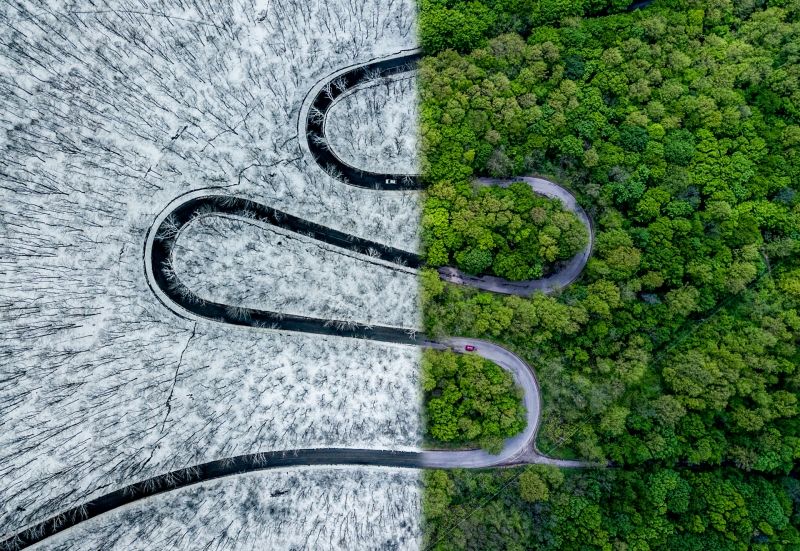
When it comes to taking stunning drone photos, it’s not just about owning the latest drone with the most advanced camera; it’s about mastering the art and science of aerial photography. Let’s explore this fascinating world one step at a time.
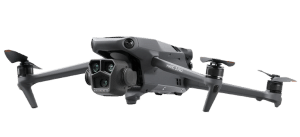
Finding the Right Drone
Selecting the perfect drone for your photography needs can make or break your aerial shooting experience. Consider the following factors when choosing your drone:
- Camera Quality: The camera’s resolution, sensor size, and image stabilization are crucial for capturing sharp and clear photos.
- Flight Time: Longer flights allow you to explore more locations and capture a broader range of shots.
- Portability: If you plan to travel with your drone, a compact and portable model is ideal.
Mastering Drone Flight
Before you start taking breathtaking photos, it’s essential to become a skilled drone pilot:
- Practice Regularly: Spend time honing your flying skills to ensure you have complete control over your drone.
- Know the Regulations: Familiarize yourself with local drone laws and regulations to avoid legal complications.
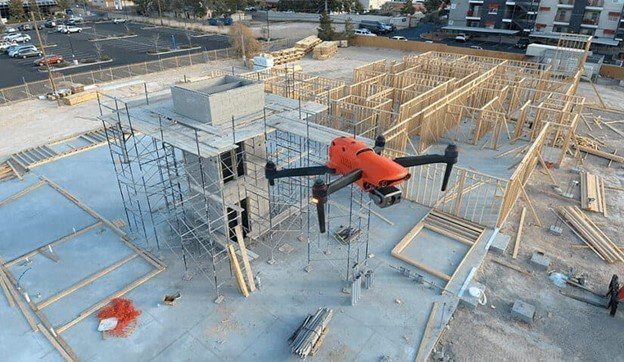
- Fly Safely: Always maintain visual contact with your drone and be cautious around obstacles.
Planning Your Shots
A well-thought-out plan is the foundation of excellent drone photography:
- Location Scouting: Identify the best locations for your shots, considering natural beauty, accessibility, and safety.
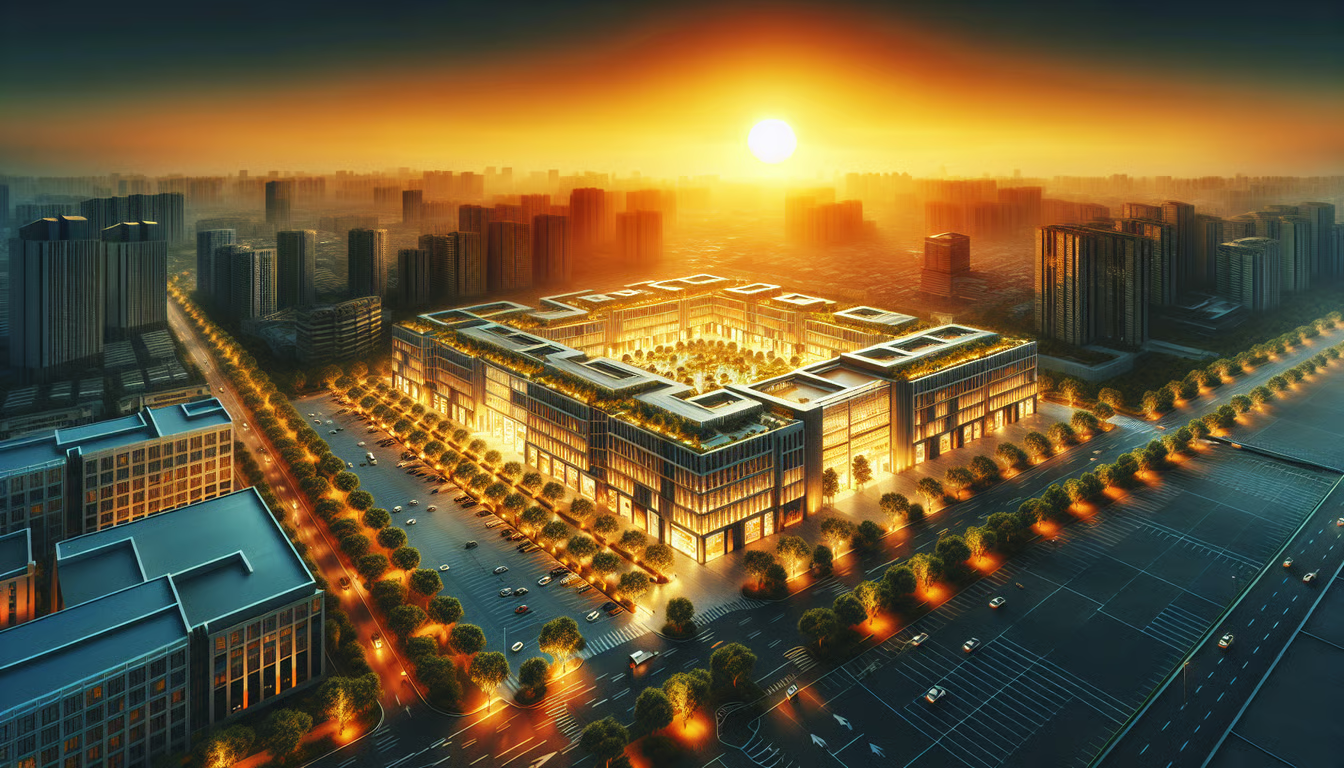
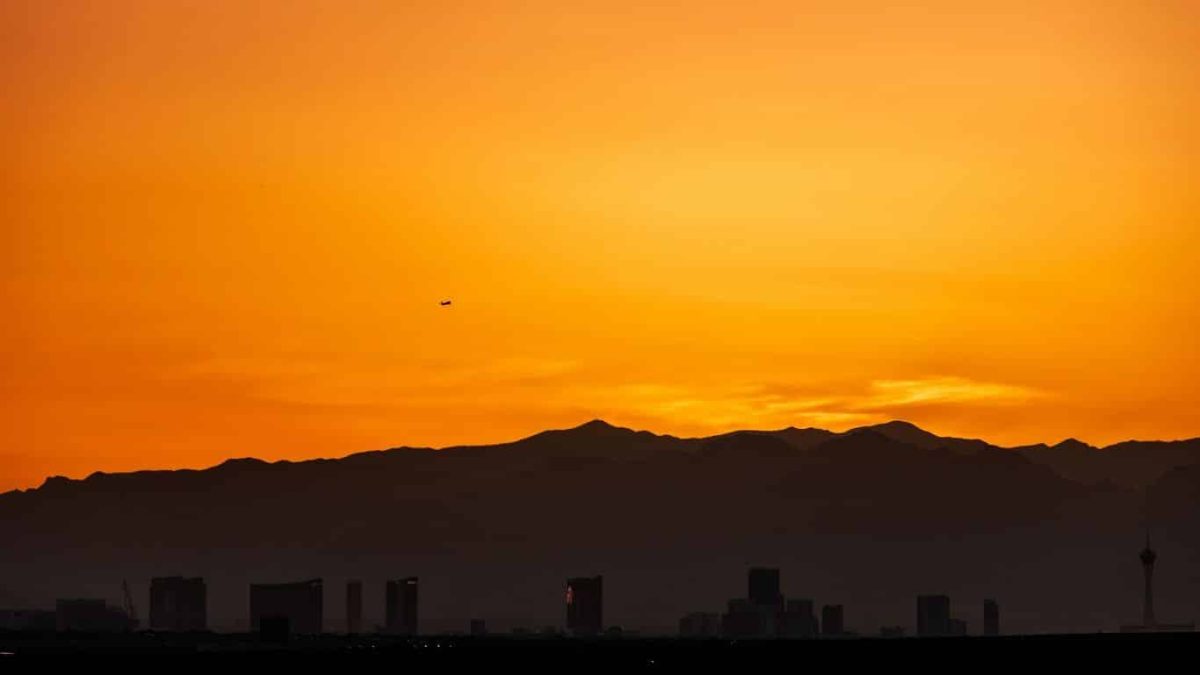
- Golden Hours: Shooting during the golden hours of sunrise and sunset offers enchanting lighting conditions.
- Check the Weather: Monitor forecasts to select days with favorable conditions.
Composition Matters
Composition is the heart of photography, and drone photography is no exception:
- Rule of Thirds: Divide your frame into thirds, both horizontally and vertically, placing critical elements at the intersections.
- Leading Lines: Utilize maximum lines, such as roads or rivers, to draw the viewer’s eye into the photo.
- Experiment with Angles: Capture images from high above, low to the ground, and everything in between.
Capturing Natural Beauty
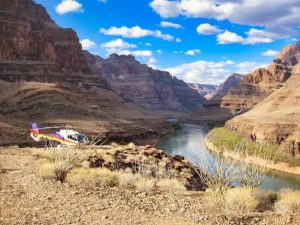
One of the joys of drone photography is the opportunity to capture breathtaking natural landscapes:
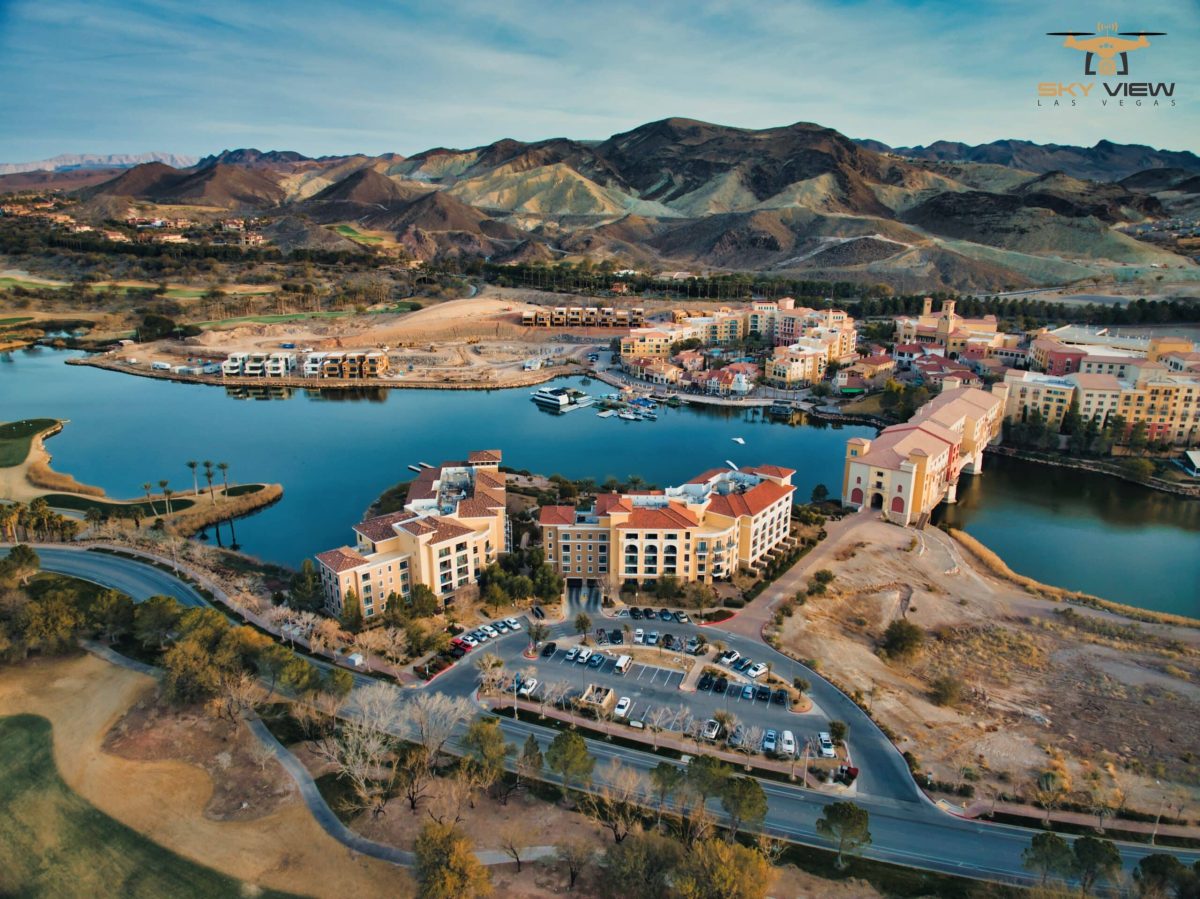
- Aerial Landscapes: Showcase landscapes, forests, and mountains from a perspective that’s impossible from the ground.
- Ocean Aerials: Capture stunning seascapes and coastal beauty from high above.
- Remote Wonders: Explore remote and less-traveled areas through your drone’s lens.
Light and Weather Conditions
Understanding light and weather is fundamental to taking great photos:
- Golden Hour: Capture your pictures during the golden hour for soft, warm light that enhances their quality.
- Cloudy Days: Overcast skies can create a unique atmosphere, perfect for moody shots.
Creative Editing
Post-processing allows you to improve your drone photos further:
- Enhance Colors: Adjust the saturation and vibrance to make the colors in your photos pop.
- Contrast Enhancement: Tweaking the contrast can make your images more dramatic.
- Noise Reduction: Remove noise from your photos for cleaner, crisper results.
Safety First
Drone photography is thrilling, but safety should never be compromised:
- No-Fly Zones: Always check for no-fly zones in your area and respect them.
- Visual Line of Sight: Maintain visual contact with your drone at all times to prevent accidents and ensure safe operation.
- Battery Monitoring: Monitor your drone’s battery level to ensure a safe return to base.
Expert Tips and Tricks
Now that you’re well-versed in the essentials, let’s explore some expert tips from seasoned drone photographers:
- Use ND Filters: Neutral-density filters help control exposure and shutter speed.
- Bracketing: Taking multiple exposures can help capture details in challenging lighting conditions.
- Image Overlays: Experiment with overlaying images to create unique compositions.
Frequently Asked Questions (FAQs)
How high can a drone fly for photography? Drones designed for photography typically operate at altitudes of 400 feet (120 meters), as regulated by the Federal Aviation Administration (FAA) in the United States. However, it’s essential to check local regulations, as altitude limits may vary by region.
Do I need special permission to fly a drone for photography? The need for special permission depends on your location and the purpose of your drone photography. In many cases, recreational drone flying for personal photography doesn’t require specific permission. However, if you plan to use your photos for commercial purposes, you may need to obtain a license or permit. Always research and adhere to local regulations.
What are the ideal settings for a drone camera in photography? The perfect settings can vary depending on your specific drone and the conditions in which you’re shooting. However, it’s generally advisable to film in RAW format for maximum post-processing flexibility. Adjust your ISO, shutter speed, and aperture settings according to the lighting conditions and desired effect. Experiment to find the perfect settings for your creative vision.
How can I prevent image blur in drone photography? Image blur can be a common issue in drone photography, especially when flying in windy conditions. To reduce blur, consider using a drone with a gimbal for stabilization. Additionally, shooting with a higher shutter speed can help freeze motion and reduce blur. It is an excellent location for drone photography. There are endless breathtaking locations for drone photography. Some popular options include:
- National parks
- Coastal cliffs and beaches
- Mountain ranges
- Cityscapes
- Historical landmarks
- Lakes and rivers
- Remote islands
These locations offer diverse landscapes and unique perspectives, making for captivating photos.
Can I sell my drone photos online? Yes, you can sell your drone photos online through various stock photography platforms and marketplaces. Ensure that your photos meet the platform’s quality and licensing requirements. Selling your drone photos can be a rewarding way to share your work and potentially earn income from your hobby.
Conclusion
Mastering the art of drone photography is a rewarding journey filled with creativity, exploration, and the thrill of capturing breathtaking views from above. This includes finding a suitable drone, honing your flying skills, and understanding the nuances of photography. Our photography takes your drone photography to new heights.
In this guide, we cover the fundamentals and offer expert insights. As you embark on your drone photography adventure, always prioritize safety, follow local regulations, and let your creativity soar.
So, take to the skies, embrace the beauty of aerial photography, and create imagery that tells your unique story from above. Happy flying and happy shooting! Fly safe.
Popular Posts
February 11, 2026
February 11, 2026
January 23, 2026
January 22, 2026
November 14, 2025

November 04, 2025
Comments are closed.