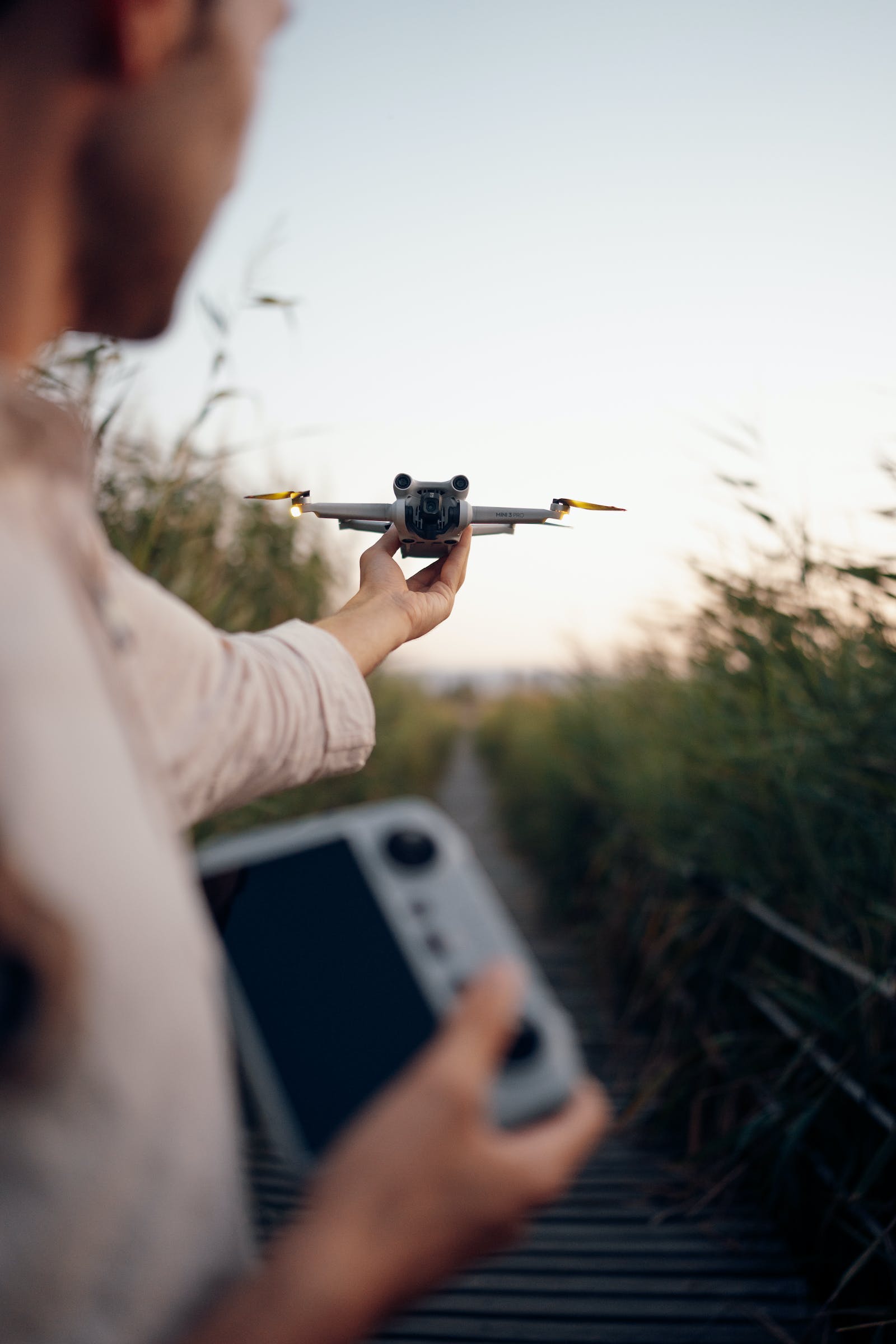
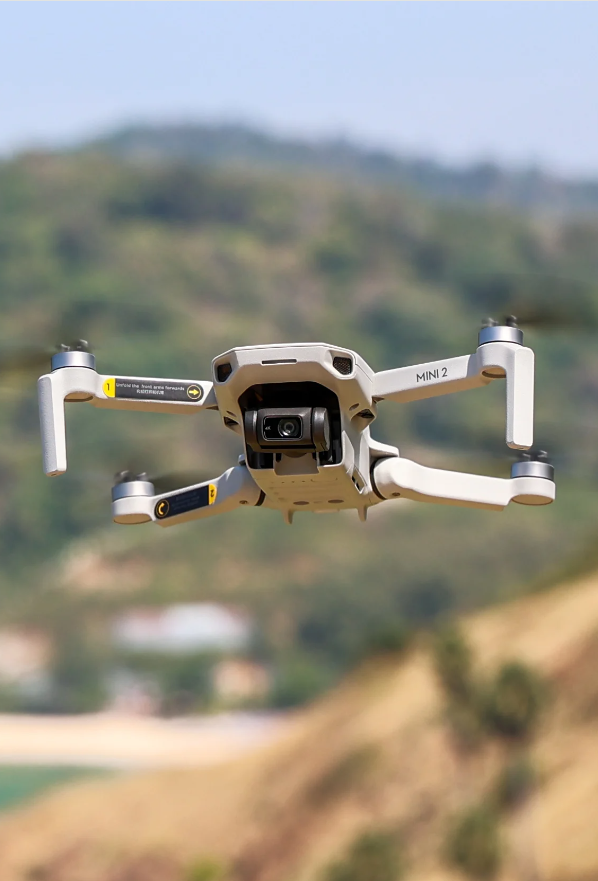
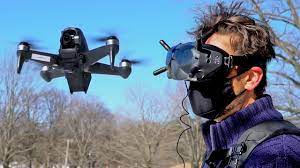
When you think of Las Vegas, you picture bright lights, iconic architecture, world-class entertainment, and vast desert landscapes. But there’s a new way to experience the city’s beauty and energy—from above. Drone services in Las Vegas are transforming how we capture the essence of the town, offering breathtaking aerial photography for businesses, events, real estate, and more.
Las Vegas is a city unlike any other. With its blend of natural beauty and artificial marvels, it’s the ideal location to showcase the power of aerial photography. Here’s why drone services are taking off in Vegas:
1. Stunning Perspectives
Whether it’s the neon glow of the Las Vegas Strip, the dramatic Red Rock Canyon, or a luxury estate in Summerlin, drones provide unique vantage points that ground photography can’t match. These elevated views give a whole new appreciation for the city’s design and layout.
Compared to traditional aerial photography (think helicopters or cranes), drones are far more affordable and flexible. They can be deployed quickly, maneuver in tight spaces, and deliver results faster—making them ideal for fast-paced Vegas businesses.
Hiring a Drone Photographer in Las Vegas
When choosing the best Las Vegas drone company, it’s essential to work with certified, insured professionals who understand both the technical and legal aspects of aerial photography. The FAA has strict regulations governing drone flights, especially in congested areas such as the Las Vegas Strip and near McCarran International Airport. A reputable drone service will handle all necessary permits and ensure safe, legal operation.
In a city built on spectacle and first impressions, standing out visually is more important than ever. Whether you’re a business owner, real estate agent, event planner, or content creator, drone photography offers a powerful way to captivate your audience.
Drone Services in Las Vegas deliver more than just photos—they provide a new perspective. Soar above the ordinary, and see Las Vegas like never before.
The Ultimate Guide to Drone Photography: Unleashing Aerial Creativity
Introduction
The Ultimate Guide to Drone Photography: Unleashing Aerial Creativity. In recent years, the world of photography has taken to the skies with the advent of drone photography. The ability to capture breathtaking aerial shots has revolutionized how we perceive and document our surroundings. This comprehensive guide will delve into the exciting world of drone photography, exploring its benefits, techniques, and creative possibilities.
Understanding Drone Photography
What is Drone Photography?
Drone photography involves capturing images and videos from uncrewed aerial vehicles (UAVs), commonly known as drones. These versatile devices, equipped with high-resolution cameras, enable photographers to capture unique perspectives and angles that were previously unattainable.
The Evolution of Drone Photography
Early Beginnings
Drone photography has its roots in military applications, where it was primarily used for surveillance. However, as technology advanced, drones became more accessible to the public, leading to the rise of recreational and professional drone photography.
Popularity Surge
The surge in the popularity of drone photography can be attributed to the compact, affordable consumer drones that flooded the market. This accessibility opened a world of creative possibilities for photography enthusiasts.
Advantages of Drone Photography
Aerial Perspective
One of the most significant advantages of drone photography is the ability to capture stunning aerial perspectives. From sweeping landscapes to architectural marvels, drones offer a bird’s-eye view that adds depth and drama to your shots.
Easy Access
Drones can access remote or hard-to-reach locations, making them ideal for documenting natural wonders, construction sites, and events such as weddings and festivals.
Before taking flight, ensure you are familiar with the local regulations governing drone use. Respect privacy, airspace restrictions, and safety guidelines.
Perfect Your Flying Skills
Practice makes perfect. Spend time honing your flying skills to capture smooth, cinematic shots. Take advantage of features such as obstacle avoidance to prevent mishaps.
Compose Your Shots
Composition plays a vital role in drone photography. To create visually appealing images, pay attention to framing, leading lines, and the rule of thirds.
Unlocking Creativity with Drone Photography
Experiment with Angles
Drones allow you to experiment with a wide range of angles and perspectives. Get creative by flying low for unique ground-level shots or soaring high for panoramic vistas.
Capture Dynamic Motion
Drones excel at capturing dynamic motion, making them ideal for action shots. Whether tracking a fast-moving vehicle or a surfer riding a wave, drones can keep up with the action.
Play with Lighting
The play of light and shadow is crucial in photography. Use the golden hours of sunrise and sunset to capture warm-toned, captivating shots.
Editing and Post-Processing- After you’ve captured those stunning aerial shots, it’s time to enhance them through editing and post-processing. Here are some tips to help you make your drone photos genuinely shine:
Choose the Right Editing Software: Invest in high-quality photo-editing software, such as Adobe Lightroom or Photoshop. These tools offer various features to adjust exposure, color balance, and sharpness.
Maintain Image Quality: When editing your drone photos, avoid overprocessing. Retain the natural beauty of your shots by making subtle enhancements.
HDR Imaging – High Dynamic Range (HDR) imaging is efficient in drone photography. Combine multiple shots at different exposures to create a single image with enhanced detail and contrast.
Surveying and Mapping
Drone technology has found applications beyond photography. Surveyors and cartographers utilize drones to create precise maps and 3D models of terrain, which are invaluable in urban planning and agriculture.
The weather can be unpredictable and challenging when operating a drone. Wind, rain, and extreme temperatures can affect flight stability and image quality. Always check the weather forecast before your flight.
Battery Life
Drone batteries typically offer a limited flight time. Invest in spare batteries and plan your flights carefully to maximize your shooting time.
As technology continues to advance, the future of drone photography holds exciting possibilities. Here are some trends to watch for:
Improved Camera Technology
Drone manufacturers continually enhance camera capabilities with features like larger sensors, improved low-light performance, and advanced image stabilization.
Autonomous Flight
Autonomous drones that can follow pre-programmed flight paths or track subjects with minimal human intervention are becoming increasingly accessible, making it easier to capture complex shots.
Enhanced Safety Features
To address safety concerns, drones are equipped with better obstacle detection and avoidance systems, reducing the risk of accidents.
Frequently Asked Questions (FAQs)
Maintenance and Care
Properly maintaining and caring for your equipment is essential to keeping your drone photography adventures smooth and hassle-free.
Cleaning Your Drone
After each flight, carefully clean your drone to remove dust, dirt, and debris. Use a soft-bristled brush, compressed air, or lens-cleaning tools to keep your camera lens and sensor pristine.
Firmware Updates
Stay up to date with your drone’s firmware and software updates. Manufacturers often release updates and new features that enhance your flying and photography experience.
Storage and Transportation
Store your drone in a cool, dry place, away from direct sunlight and extreme temperatures. Use a durable case or backpack to protect it during transport.
Legal Considerations
In most countries, drone photography is subject to legal regulations. Understanding and following these rules is crucial to avoiding fines and accidents.
Register Your Drone
In some regions, drones must be registered with the appropriate aviation authority. Check the requirements in your area and register your drone if necessary.
Respect No-Fly Zones
Many countries and areas have established no-fly zones, including those near airports, military bases, and government buildings. Always check for these restrictions before flying.
Privacy and Permissions
Respect the privacy of individuals and property owners when capturing images. Seek permission when flying over private land or capturing images of people.
Building a Drone Photography Portfolio
If you aspire to take your drone photography to a professional level or want to showcase your skills, consider building a portfolio.
Curate Your Best Shots
Select your most striking and diverse drone shots to showcase in your portfolio. Highlight different subjects, lighting conditions, and compositions.
Use social media platforms such as Instagram, Flickr, and 500px to share your drone photos. Engage with the photography community and gain exposure for your work.
Joining Drone Photography Communities
Connecting with fellow drone photography enthusiasts can be an enriching experience. Join online forums, social media groups, or local drone clubs to exchange knowledge and ideas.
Protect Wildlife
When flying your drone, avoid disturbing wildlife. Maintain a safe distance from animals and nesting sites to prevent stress or harm.
Respect Natural Habitats
Fly responsibly in natural habitats, such as parks and nature reserves. Follow guidelines and regulations to preserve these fragile ecosystems.
Continuing Education
Drone photography is an evolving field. Stay up to date on the latest techniques, equipment, and regulations through workshops, online courses, and photography events.
Conclusion
Drone photography offers an incredible opportunity to explore and capture the world from a unique perspective. Whether you’re a hobbyist or an aspiring professional, this art form allows you to express your creativity and document the world in ways previously unattainable.
With the right equipment, knowledge, and a passion for photography, you can embark on a thrilling journey that will take you to new heights—literally and figuratively. Fly Safe.
Elevating Photography to New Heights with Professional Drone Photography. In the dynamic world of content creation, where visual storytelling reigns supreme, professional drone photography has emerged as a game-changer. Drones have revolutionized aerial photography, enabling photographers to capture unique perspectives, enhance efficiency and cost-effectiveness, and improve safety and accessibility. However, there are also challenges and considerations to be aware of, such as regulatory compliance, weather conditions, technical skills, and privacy concerns. Despite these challenges, drone professional photography is used across industries such as real estate, construction, film, and environmental monitoring. Embracing this technology is crucial for photographers to remain at the forefront of innovation and deliver exceptional quality to their clients.
Key Takeaways
Drone professional photography offers unique perspectives and angles that were once unimaginable.
It enhances efficiency and cost-effectiveness in capturing images and videos.
Drone photography improves marketing and advertising efforts by creating captivating content.
Safety and accessibility are enhanced by using drones in photography.
Regulatory compliance, weather conditions, technical skills, and privacy concerns are important considerations in drone photography.
The Evolution of Aerial Photography
From Balloons to Drones: A Brief History
In the not-so-distant past, achieving stunning aerial shots required expensive equipment and elaborate setups. Enter professional drone videography — an innovation that democratized the ability to capture breathtaking views. Drones equipped with high-quality cameras enable filmmakers, photographers, and content creators to explore uncharted visual territories. This accessibility has opened new dimensions for storytelling, offering a fresh, captivating visual language.
Advancements in Drone Technology
Drone photography will continue to advance with improved aerial imaging capabilities, longer flight times, better stabilization, and increased accessibility. Drones will become more versatile and user-friendly, opening creative possibilities for aerial photographers and filmmakers.
Some predicted trends for photography in 2023 and beyond include:
The continued rise of drone photography: Drones have revolutionized the way we capture images from unique perspectives. This trend is expected to continue in 2023, enabling photographers to capture stunning landscapes and architectural details and create immersive visuals through aerial panoramas and hyper-lapse videos.
Enhanced aerial imaging techniques: Advancements in aerial imaging capabilities will enable photographers to capture even more detailed, high-quality images from the sky.
Longer flight times: Improved battery technology will extend drone flight times, allowing photographers to capture more footage without interruption.
Better stabilization: Advanced stabilization systems will ensure smoother, more professional aerial shots.
Increased accessibility: Drones will become more affordable and user-friendly, enabling aerial photography for a broader range of photographers and filmmakers.
In summary, drone technology will continue to evolve, providing photographers and filmmakers with new tools and opportunities to capture unique, captivating aerial imagery.
The Impact of Aerial Photography on Various Industries
Aerial imagery can pique potential buyers’ interest in a product or property. Consider a marketing campaign for a luxury car. Aerial shots of the vehicle winding along a scenic coastal road or cruising through a mountain pass create a sense of desire. It’s not just about the car’s specifications but the experience it promises.
In recent years, the world has witnessed a technological revolution in aerial imagery. Once reserved for military applications, drones have become increasingly ubiquitous in various industries, including real estate, construction, and marketing. These remarkable flying machines have transformed how we capture and perceive our surroundings, offering a unique perspective previously accessible only through costly and cumbersome means.
The impact of aerial photography goes beyond just capturing stunning visuals. It can evoke emotions, convey stories, and influence our perceptions. Visual appeal is crucial in marketing, where first impressions matter more than ever. Aerial imagery captured by drones offers a fresh, compelling perspective that can elevate marketing campaigns and attract potential customers.
Table: The Impact of Aerial Photography on Various Industries
Industry
Impact
Real Estate and Property Marketing
It enhances property listings, attracts more buyers, and showcases unique features.
Construction and Infrastructure
Facilitates project planning, monitoring, and documentation to improve efficiency and safety.
Film and Entertainment Industry
It enables breathtaking aerial shots, adds cinematic value, and enhances the storytelling.
Environmental Monitoring and
Provides valuable data for research, conservation, and monitoring of natural resources.
Conservation
Source: Aerial Innovations Southeast
Benefits of Professional Drone Photography
Capturing Unique Perspectives
Using drones in professional photography has revolutionized how we capture unique perspectives. With their ability to fly and maneuver in the sky, drones enable photographers to capture breathtaking aerial shots that were once possible only with expensive equipment and elaborate setups. These shots add a distinctive grandeur to wedding albums and videos, creating unforgettable moments that showcase the venue and create timeless memories.
Incorporating drone photography and videography into weddings opens a world of creative possibilities. Drones allow photographers to capture diverse angles and heights, presenting the venue, décor, and guests in ways that traditional cameras cannot. This technology enhances the overall storytelling experience, adding depth and richness to the wedding-day narrative. By integrating aerial shots and dynamic footage, the memories become even more vivid and compelling.
To capture picturesque landscapes and stunning scenery, drones offer a unique perspective that yields creative, distinctive footage. Imagine the grandeur of panoramic views showcasing the wedding venue, or the allure of a sweeping bird’s-eye view as the couple enters. These shots create unforgettable moments and ensure timeless memories for years to come.
Table: Benefits of Drone Professional Photography
Benefit
Description
Capturing Unique Perspectives
Drones allow photographers to capture unique aerial shots that showcase the venue and create unforgettable moments.
Efficiency and Cost-Effectiveness
Drone photography is more efficient and cost-effective than traditional methods, as it eliminates the need for expensive equipment and elaborate setups.
Enhancing Marketing and Advertising
Aerial shots captured by drones can enhance marketing and advertising materials, providing a unique and captivating perspective.
Improving Safety and Accessibility
Drones can access areas that are difficult to reach, improving safety and accessibility for photographers.
Tip: When using drones for professional photography, ensure compliance with regulatory and legal requirements. Additionally, consider weather and environmental factors, invest in technical skills and training, and address privacy and ethical concerns to ensure responsible and ethical drone photography practices.
Efficiency and Cost-Effectiveness
The time and resources required for certain shots and drone filming services enhance efficiency, enabling a more agile, cost-effective production workflow. Versatility in Application: Drone filming services can be applied across a wide range of industries. The applications are limitless, from real estate showcasing and event coverage to tourism promotion and industrial inspections. A media production company that offers drone services demonstrates adaptability to diverse client needs. Safety and Compliance: Reputable media production companies prioritize safety and adhere to
Enhancing Marketing and Advertising
Aerial imagery can pique potential buyers’ interest in a product or property. Consider a marketing campaign for a luxury car. Aerial shots of the vehicle winding along a scenic coastal road or cruising through a mountain pass create a sense of desire. It’s not just about the car’s specifications but the experience it promises.
Aerial imagery evokes desire and captures attention.
It provides a fresh, captivating perspective that holds attention.
Tip: Use aerial photography to create a visual appeal that speaks to the emotions of potential buyers.
Elevating Your Business with Aerial Innovations Southeast
At Aerial Innovations Southeast, our expertise in providing impactful aerial photography and commercial drone services has helped countless clients elevate their marketing and authenticity, building trust.
Improving Safety and Accessibility
Safety and Compliance: Reputable media production companies prioritize safety and adhere to regulations. Professional drone operators are well-versed in aviation laws and take the necessary precautions to ensure a safe and compliant filming process, giving clients peace of mind while capturing breathtaking shots.
Technology at Your Fingertips: Advancements in drone technology continue to push the boundaries of what is possible. From high-resolution cameras and advanced stabilization systems to intelligent flight modes, media production companies have access to cutting-edge tools that enhance their creative capabilities and ensure adaptability to diverse client needs.
Challenges and Considerations in Drone Photography
Regulatory Compliance and Legal Issues
Ensuring regulatory compliance and adherence to legal requirements is crucial in professional drone photography. Reputable media production companies prioritize safety and adhere to regulations to ensure a safe, compliant filming process. Professional drone operators are well-versed in aviation laws and take necessary precautions, giving clients peace of mind while capturing breathtaking shots. Advancements in drone technology, such as high-resolution cameras and advanced stabilization systems, give photographers the tools to showcase properties in a unique and captivating way.
Weather and Environmental Factors
Weather and environmental factors play a crucial role in professional drone photography. Weather conditions can significantly impact flight safety. It is essential to consider factors such as wind speed, precipitation, and temperature before flying the drone. Additionally, the location’s environmental conditions can affect the visuals. For example, fog or haze can reduce visibility and clarity in photos or videos. Therefore, it is essential for drone photographers to closely monitor the weather and environmental conditions to ensure optimal results.
Technical Skills and Training
Technical skills and training are crucial for professional drone photography. An in-depth analysis of the features and capabilities is necessary to ensure optimal performance and image quality. Photographers need to understand the various settings and controls of the drone, such as exposure, focus, and white balance, to achieve the desired results. Training in flight operations and safety protocols is also crucial for preventing accidents and ensuring regulatory compliance. Proper training also includes understanding airspace restrictions and obtaining necessary permits or licenses for commercial drone operations.
Privacy and Ethical Concerns
Privacy and ethical concerns are essential considerations in professional drone photography. Privacy is a significant concern as drones can capture images and videos of people without their consent, invading their personal space. Drone photographers must comply with privacy laws and regulations and obtain the necessary permissions when capturing images in public spaces or on private property.
Another ethical concern is the potential misuse of drone photography. Drones equipped with cameras can be used for surveillance or to invade someone’s privacy. Drone photographers must use their skills and equipment responsibly, ensuring they do not infringe on others’ rights and confidentiality.
To address these concerns, drone photographers can follow a set of best practices:
Obtain consent: Always obtain consent from individuals before capturing their images or videos.
Respect boundaries: Fly drones safely away from people and private properties to respect their privacy and personal space.
Stay informed: Keep up to date on privacy laws and regulations to ensure compliance.
Educate others: Clients and the public on the ethical use of drone photography.
The drone photography industry must prioritize privacy and ethics to maintain trust and ensure the responsible use of this powerful technology.
Applications of Professional Drone Photography
Real Estate and Property Marketing
Drone professional photography has revolutionized the real estate and property marketing industry. With the best drones, real estate agents and developers can now capture unique perspectives of properties, showcasing them in ways previously impossible. Aerial drone views help potential buyers better understand the property’s layout, surrounding environment, and overall appeal.
In addition to capturing unique perspectives, professional drone photography offers efficiency and cost-effectiveness. Instead of relying on traditional methods such as hiring helicopters or cranes, drones can quickly and easily capture high-quality images and videos of properties. This saves time and money, enabling faster turnaround times for marketing materials.
One key benefit of drone professional photography in real estate and property marketing is its ability to enhance marketing and advertising efforts. By providing a bird’s-eye view of properties, drones can highlight key features and amenities, making them more appealing to potential buyers. Additionally, drone footage can create engaging virtual tours, offering viewers a realistic, immersive experience of the property.
Regulatory compliance and legal considerations must be taken into account when using drones for real estate and property marketing. Drone operators must comply with local regulations and obtain the required permits and licenses to operate legally and safely. Weather and environmental factors also play a role, as drones may be unable to operate in certain conditions. Therefore, it is essential to plan drone photography sessions accordingly.
Technical skills and training are also essential considerations in professional drone photography. Operators must be skilled in piloting drones and capturing high-quality images and videos. Training programs and certifications are available to ensure operators have the necessary skills and knowledge to operate drones safely and effectively.
Lastly, privacy and ethical considerations should be taken into account when using drones for real estate and property marketing. It is essential to respect individuals’ privacy and obtain consent when capturing images or videos of private property. Additionally, ethical considerations, such as avoiding intrusive filming and respecting wildlife habitats, should be taken into account.
Construction and Infrastructure Development
Construction and infrastructure development are other areas where professional drone photography has had a significant impact. Drone photography provides a unique perspective, enabling construction companies and developers to monitor and document project progress. By capturing aerial images and videos, they can quickly identify potential issues or delays, make informed decisions, and communicate effectively with stakeholders. This technology also enables them to create accurate 3D models and maps of construction sites for planning, design, and analysis. Additionally, drone photography can be used to inspect infrastructure, such as bridges and buildings, for maintenance and safety purposes.
Film and Entertainment Industry
The film and entertainment industry has dramatically benefited from professional drone photography. With drones, filmmakers and cinematographers can capture stunning photography from angles and perspectives previously impossible or difficult to achieve. This enables more creative storytelling and visually compelling scenes. Additionally, drone photography offers a cost-effective alternative to traditional aerial shots captured by helicopters or cranes, saving time and money.
One key advantage of professional drone photography in the film and entertainment industry is the ability to enhance action sequences and chase scenes. Drones can follow actors or vehicles, providing dynamic and immersive footage that adds excitement and intensity to the final product. This technology has revolutionized how action sequences are filmed, resulting in more thrilling and visually impressive movies.
In addition to action sequences, drones offer a new perspective for establishing shots and wide-angle views. Filmmakers can now capture breathtaking aerial shots of landscapes, cityscapes, and architectural marvels, creating a sense of grandeur and scale. These shots not only add visual appeal but also help establish a film’s setting and atmosphere.
Furthermore, professional drone photography enables filmmakers to capture footage in challenging or inaccessible locations with ease. Drones can navigate through tight spaces, fly over water, and reach heights that would be dangerous or impossible for a human operator to achieve. This opens up a new range of possibilities for filmmakers, allowing them to capture previously unattainable shots.
In conclusion, professional drone photography has revolutionized the film and entertainment industry by enabling filmmakers and cinematographers to capture stunning, unique footage from previously inaccessible angles. This technology has enhanced action sequences, established breathtaking views, and expanded the possibilities of filmmaking. With continued advances in drone technology, we can expect even more innovative and visually compelling films.
Environmental Monitoring and Conservation
As the world becomes increasingly aware of environmental issues, photographers are taking steps to incorporate eco-conscious and sustainable practices into their work. From utilizing environmentally friendly equipment to focusing on conservation and ecological storytelling, eco-conscious photography aims to raise awareness and promote positive change. Photographers are capturing nature while highlighting the urgent need to protect it. In 2023, we anticipate an increase in photographers adopting eco-conscious practices and creating visually impactful images that inspire environmental action.
Eco-conscious photography aims to spread awareness and encourage positive change.
Photographers are capturing the beauty of nature while highlighting the urgent need to protect it.
In 2023, an increasing number of photographers are expected to adopt eco-conscious practices.
These practices will create impactful visuals that inspire environmental action.
Professional Drone Photography has revolutionized the way we capture stunning aerial shots. With technological advancements, drones have become a vital tool for photographers and videographers across various industries. From real estate and construction to events and tourism, drones have opened new possibilities for capturing breathtaking images and videos from unique perspectives. If you’re looking for the best drone services for photography and videography in Las Vegas, look no further. Our experienced drone pilots and photographers are committed to delivering exceptional aerial photography and videography services. Whether you need stunning shots of your property, captivating event footage, or promotional videos for your business, we have you covered. Visit our Sky View LV website to learn more about our services and book your drone photography or videography session today.
Conclusion
In conclusion, professional drone photography has revolutionized aerial photography, enabling photographers and content creators to capture unique perspectives and elevate their visual storytelling. With advancements in drone technology, drone photography offers increased efficiency, cost-effectiveness, enhanced marketing and advertising, and improved safety and accessibility. However, there are also challenges and considerations to be aware of, such as regulatory compliance, weather conditions, technical skills, and privacy concerns. Despite these challenges, the applications of drone professional photography are broad, spanning real estate and construction, film, and environmental monitoring. By embracing drone photography, professionals can soar to new heights and capture extraordinary moments that resonate with their audiences.
Frequently Asked Questions
1. What is Professional Drone photography?
Drone professional photography is a form of visual storytelling involving uncrewed aerial vehicles (drones) equipped with high-resolution cameras to capture images and videos from an aerial perspective.
2. How does Professional Drone Photography benefit storytelling?
Drone professional photography elevates storytelling by offering unique angles and perspectives once unimaginable. It allows photographers to capture breathtaking views and create content that stands out in a crowded digital landscape.
3. What are the advantages of Professional Drone Photography?
Some advantages of drone professional photography include capturing unique perspectives, increasing efficiency and cost-effectiveness, enhancing marketing and advertising efforts, and improving safety and accessibility.
4. What are the challenges in drone photography?
Drone photography poses challenges such as regulatory compliance and legal issues, weather and environmental factors, the need for technical skills and training, and privacy and ethical concerns.
5. What industries can benefit from professional drone photography?
Professional drone photography can benefit various industries, including real estate and property marketing, construction and infrastructure development, film and entertainment, and environmental monitoring and conservation.
6. How can I ensure regulatory compliance when using drones for photography?
To ensure regulatory compliance, it is essential to familiarize yourself with local drone laws and regulations, obtain necessary permits and licenses, and follow guidelines provided by aviation authorities.
Aerial photography has emerged as a captivating way to explore and capture the beauty of our world from a unique perspective. With the advancements in drone technology, enthusiasts and professionals alike have found a new canvas in the sky. In this article, we will explore how to unleash the creativity of a drone photographer. From mastering drone photography techniques to post-processing and editing, to safety and legal considerations, we will provide key takeaways to elevate your aerial photography.
Key Takeaways
Exploring new perspectives and capturing unique landscapes are the essence of aerial photography.
Understanding camera settings and composition techniques is essential for capturing stunning aerial shots.
Controlling the drone for optimal shots requires practice and familiarity with the drone’s capabilities.
Post-processing and editing can enhance colors, remove distractions, and create stunning visual effects.
Navigating airspace regulations, ensuring drone stability, and protecting privacy and property rights are essential considerations for drone photographers.
The Art of Aerial Photography
Exploring New Perspectives
Drone photography is unleashing creativity by offering new perspectives and showcasing the world from breathtaking angles. With drones, photographers can capture stunning aerial shots of landscapes, cityscapes, and even intimate moments from above. The possibilities are no longer limited, and the art of aerial photography is reaching new heights. Join us at Drone Shop on your journey to mastering the art of aerial photography.
Capturing Unique Landscapes
Capturing unique landscapes is one of the most exciting aspects of drone photography. By flying high above the ground, photographers can capture breathtaking views that are otherwise inaccessible. From towering mountains to vast oceans, drones allow us to see the world from a whole new perspective.
To capture the most unique landscapes, it’s essential to consider composition and framing. By carefully positioning the drone and framing the shot, photographers can create visually stunning images that highlight the landscape’s beauty.
Additionally, understanding camera settings is essential for capturing the unique colors and lighting conditions of various landscapes. Adjusting the exposure, white balance, and ISO settings can help photographers achieve the desired look and feel.
Lastly, controlling the drone for optimal shots is essential. This includes mastering flight maneuvers such as smooth pans and tilts, and utilizing intelligent flight modes to capture dynamic shots.
To summarize:
Capture breathtaking views from unique perspectives
Consider composition and framing
Understand camera settings for capturing unique colors and lighting
Control the drone for optimal shots
Remember, capturing unique landscapes is about unleashing your creativity and exploring the world from a new perspective.
Challenges and Rewards
The world of drone photography is full of challenges and rewards. It catalyzes creativity, pushing photographers to explore new perspectives and capture unique landscapes. The ability to control a drone and navigate the sky opens up endless possibilities for stunning shots. However, it also presents its own challenges. Ensuring drone stability and navigating airspace regulations are crucial for a safe and successful photography session. Despite these challenges, the rewards of drone photography are unparalleled. The breathtaking aerial views and the ability to capture images from a bird’s-eye perspective create a sense of awe and wonder. Drone photography enables photographers to unleash their creativity and capture once impossible moments.
Mastering Drone Photography Techniques
Understanding Camera Settings
When it comes to drone photography, understanding camera settings is crucial for capturing the best shots. Aperture, shutter speed, and ISO are critical settings that determine exposure and the image’s overall look. Adjusting the aperture controls depth of field, while shutter speed affects the amount of motion blur in the photo. ISO, on the other hand, determines the camera sensor’s sensitivity to light. Finding the right balance between these settings is essential for achieving the desired effect.
To help you navigate the camera settings, here are some tips:
Experiment with different aperture settings to create a shallow depth of field that blurs the background, or a larger depth of field that keeps everything in focus.
Use a faster shutter speed to freeze fast-moving subjects or a slower shutter speed to capture motion blur and convey a sense of movement.
Adjust the ISO setting according to the lighting conditions. Lower ISO values are ideal for bright, well-lit environments, while higher ISO values are more suitable for low-light situations.
Remember, mastering camera settings takes practice and experimentation. Don’t be afraid to try different combinations and see how they affect your photos. With time, you’ll develop a better understanding of how to achieve the desired results.
Composition and Framing
Composition and framing are essential elements in drone photography. They determine the image’s overall look and feel and can significantly enhance its visual impact. Transformative power is a key aspect of composition and framing. By carefully selecting the subject, adjusting the camera angle, and considering the placement of elements within the frame, a photographer can create a powerful and captivating image. The composition should guide the viewer’s eye and convey a sense of balance and harmony. Subtle adjustments in framing can make a significant difference in the final result.
Controlling the Drone for Optimal Shots
Adjusting camera settings to configure flight modes. Experiment with different settings to tailor the drone’s behavior to your preferences. The app or remote controller typically indicates when the GPS signal is strong and stable. Understanding low-light conditions is crucial for capturing stunning shots in challenging lighting situations.
Post-Processing and Editing
Enhancing Colors and Contrast
To enhance colors and contrast in drone photography, several techniques can be employed to make your images stand out. One crucial aspect to consider is the use of high contrast. By using bold light and shadow, you can create a dramatic effect in your photos. Another technique is black-and-white photography. This can make a strong comeback and add a unique touch to your images.
Additionally, experimenting with techniques such as double exposures and light painting can yield surreal and abstract imagery. Lastly, celebrating the beauty of patterns in nature, architecture, and everyday objects can add an exciting element to your drone photography. Tessellations, textures, and repeating motifs can take center stage in your compositions.
Removing Distractions
The art of drone photography allows photographers to unlock new perspectives and capture unique landscapes. By controlling the drone for optimal shots, photographers can explore new angles and viewpoints that were previously inaccessible. However, it is essential to remove distractions from the frame to create visually appealing images. This can be achieved by carefully composing and framing the shot, ensuring that there are no unwanted elements that draw attention away from the main subject. Additionally, post-processing and editing techniques can further enhance the image by removing residual distractions and creating a clean, focused composition.
Creating Stunning Visual Effects
Photographers use advanced technology and techniques to create immersive experiences that transport viewers into the heart of the image. With 3D capture technologies, it is now possible to explore a coral reef or scale a mountain peak without leaving your living room. The lines between reality and imagination are blurred, resulting in images that are so crisp and detailed that they will leave you questioning your perception. Additionally, photographers are embracing retro vibes, with vintage cameras and film photography experiencing a resurgence. These techniques add a touch of authenticity to the whimsical dreamscapes created with AI-powered editing tools.
Safety and Legal Considerations
Navigating Airspace Regulations
Japan’s metropolises, with their intricate tapestries of streets and skylines, may tantalize the aerial artist, but they’re also arenas where the rules reign supreme. No drones may fly above the thrumming energy of densely packed urbanity, near the orchestrated chaos of airports, or venture beyond the 150-meter-high ceiling set by the MLIT. Like invisible sculptures, zones around power plants, government buildings, and military bases are shaped by 300-meter radiuses where drones dare not tread—turning the art of flight into a dance with invisible borders. Pilots can chart their choreography through digital maps provided by the MLIT, ensuring each aerial odyssey is navigated with informed precision.
Ensuring Drone Stability
Drone stability is crucial for capturing high-quality aerial content. The Black Falcon drone is equipped with advanced stabilization systems, including gyroscopes and accelerometers, that work together to maintain its position in flight. These components ensure the drone remains steady in the face of external factors such as wind, allowing users to focus on the creative aspects of their aerial content. With the Black Falcon, videographers can frame shots with meticulous detail, knowing that every frame will be visually captivating and stable.
Protecting Privacy and Property Rights
Regarding drone photography, protecting privacy and property rights is of utmost importance. As a drone photographer, it is essential to respect individuals’ privacy and private property boundaries. Here are some key considerations:
Observe No-Fly Zones: Familiarize yourself with the regulations and restrictions in your area, including designated no-fly zones. These areas may include airports, government buildings, and private properties where drone flights are prohibited.
Seek Permission: Before flying your drone near private property, always seek permission from the owner. Respect their right to privacy and ensure that you are not intruding on their personal space.
Avoid Intrusive Shots: Be mindful of the angles and perspectives you use when capturing aerial shots. Avoid capturing images that invade someone’s privacy or reveal sensitive information about their property.
Remember, as a drone photographer, it is your responsibility to operate within legal and ethical boundaries to protect others’ privacy and property rights.
For drone photography and videography services in Las Vegas, safety and legal considerations are of utmost importance. As a responsible drone service provider, we prioritize the protection of our clients, their property, and the general public. We strictly adhere to all FAA regulations and guidelines to ensure safe, legal operations. Our team of experienced, licensed drone pilots is well-versed in safety protocols and equipped with the latest technology to capture stunning aerial footage. Whether you need aerial photography for real estate, events, or promotional videos, we have the expertise to deliver high-quality results. Contact us today to book our professional drone services and elevate your photography and videography projects.
Conclusion
In conclusion, drone photography has revolutionized aerial photography, enabling photographers to explore new perspectives, capture unique landscapes, and overcome challenges to create stunning visual effects. By mastering drone photography techniques, understanding camera settings, and controlling the drone to capture optimal shots, photographers can unleash their creativity and produce breathtaking images. Post-processing and editing techniques further enhance the final results, while safety and legal considerations ensure the responsible and ethical use of drones. With advances in technology and the limitless possibilities drones offer, the sky is no longer the limit for photographers. Embrace the world of aerial photography and elevate your photography game today!
Frequently Asked Questions
What is aerial photography?
Aerial photography captures images from an elevated position, typically using a drone or aircraft.
Why is aerial photography popular?
Aerial photography provides a unique perspective, enabling photographers to capture stunning landscapes, cityscapes, and events from above.
What are the benefits of using a drone for aerial photography?
Using a drone for aerial photography provides flexibility, accessibility, and the ability to capture shots that were once only possible with helicopters or planes.
What camera settings should I use for drone photography?
The camera settings for drone photography will depend on the lighting conditions and the desired effect. It is recommended to shoot in RAW format and adjust settings such as ISO, shutter speed, and aperture accordingly.
Are there any legal restrictions or regulations for drone photography?
Yes, there are legal restrictions and regulations for drone photography. It is essential to familiarize yourself with the local laws and regulations regarding drone usage, including airspace restrictions and privacy considerations.
How can I enhance the colors and contrast in my aerial photographs?
You can enhance color and contrast in your aerial photographs in post-processing using software such as Adobe Lightroom or Photoshop. Adjusting saturation, highlights, shadows, and curves can bring out vibrant colors and details.
Capturing breathtaking views with aerial drone photography
Aerial drone photography has revolutionized the way we capture breathtaking views. With advancements in drone technology, photographers can now capture images from previously impossible angles. This article explores the evolution of aerial drone photography, including how to choose a suitable drone, mastering aerial photography techniques, exploring stunning locations, and editing and enhancing aerial drone photos.
Drones allow photographers to capture images from previously impossible angles and perspectives.
Understanding different types of drones and their key features is essential in choosing a suitable drone for aerial photography.
Mastering aerial photography techniques, including composition, drone control, and handling lighting challenges, is crucial for capturing perfect shots.
Exploring stunning locations and finding unique perspectives can elevate aerial drone photography to the next level.
The Evolution of Aerial Drone Photography
From Kites to Drones: A Brief History
In recent years, the use of drones across industries has increased significantly, thanks to their ability to capture stunning aerial footage that was previously unattainable. Drone footage has revolutionized modern filmmaking, providing filmmakers, photographers, and enthusiasts with a thrilling and creative way to capture breathtaking moments from unique angles and perspectives. As the popularity of drone technology continues to grow, adventurers, artists, and filmmakers are exploring the boundaries of what is possible with drone photography. The wonders of drone photography are opening up a world of creative possibilities for both hobbyists and professionals.
Advancements in Drone Technology
As drone technology continues to evolve, we can expect drones to become even more sophisticated, offering better image quality, longer flight times, and more intuitive controls. This will undoubtedly open up new possibilities for capturing and sharing our world from above.
Embracing the Sky-High Potential
With ongoing technological advancements, drones are becoming more than just tools for capturing aerial footage. They are transforming how we see the world and pushing the boundaries of creativity. Here are some critical advancements in drone technology:
Improved Image Quality: Drones now have high-resolution cameras that capture sharp, detailed photographs and videos.
Extended Flight Times: Thanks to advances in battery technology, drones can now remain airborne longer, enabling more extensive aerial photography sessions.
Intuitive Controls: Modern drones feature user-friendly controls, making it easier for photographers to navigate and operate the drone while capturing shots.
As drone technology continues to advance, the possibilities for aerial photography are becoming limitless. With better image quality, longer flight times, and more intuitive controls, photographers can capture breathtaking views with ease and precision.
The Impact of Aerial Drone Photography on the Photography Industry
The impact of drone photography extends beyond the realm of art. In real estate, drones capture stunning images of properties, giving potential buyers a unique view of their future homes. In agriculture, drones help monitor crops and identify areas that require attention, improving efficiency and reducing costs. Drones have revolutionized aerial cinematography in the film industry, allowing filmmakers to capture breathtaking shots that were once only possible with expensive equipment. The versatility and accessibility of drone photography have opened up a world of creative possibilities for both hobbyists and professionals.
Choosing the Right Drone for Aerial Photography
Understanding Different Types of Drones
A variety of drones are available, each with its unique features and capabilities. Some drones are designed for aerial photography and filming, while others are more suited for recreational use. Once you have chosen a suitable drone, you must learn how to fly it safely and effectively. This will involve practicing basic maneuvers, such as takeoff, landing, and hovering, as well as more advanced techniques, including flying in different directions and adjusting the camera angle. When filming from a high altitude with a drone, safety must be the top priority at all times.
Key Features to Consider
When selecting a drone for aerial photography, several key features should be considered. First and foremost, image quality is paramount. Look for a drone with high-resolution imaging and a suitable sensor to capture sharp, detailed images. Another essential feature to consider is flight time. A longer flight time lets you capture more footage without having to land and recharge the drone as often.
Additionally, stability is crucial for achieving clear, steady shots. Look for a drone with advanced stabilization technology to minimize camera shake and vibrations. Finally, range and connectivity are essential factors to consider. Ensure the drone has sufficient range to reach the desired shooting locations and reliable connectivity for seamless control and live streaming.
Budget-Friendly Options for Beginners
When starting in aerial photography, it’s essential to consider budget-friendly options that still deliver quality results. Here are some affordable drones that are perfect for beginners:
Drone Model
Price Range
DJI Mavic Mini
$399
Holy Stone HS720
$299
Potensic D58
$169
These drones offer a good balance between price and features, making them ideal for beginners. Additionally, it’s important to remember a few tips when choosing a budget-friendly drone:
Look for drones with stabilization features to ensure smooth footage.
Consider the drone’s flight time and battery life to maximize your shooting sessions.
Verify camera quality and resolution to ensure clear, detailed images.
Remember, investing in a budget-friendly drone doesn’t mean compromising on quality. With the right choice and some practice, you can capture stunning aerial shots without breaking the bank.
Mastering Aerial Photography Techniques
Composition and Framing
Composition with a drone is similar to that of any other camera. You must identify a suitable subject and, if applicable, supporting elements in the landscape, incorporating lines to connect different elements within the frame. One advantage of using a drone over a regular camera is its unique ‘birds-eye view, enabling you to effectively capture the flow of a river or the winding of a road. Despite the common tendency among drone photographers to fly at high altitudes, this approach may not always yield the most compelling images. It can often make it more challenging to capture compelling shots. This is somewhat akin to using an extremely wide-angle lens, where there’s a risk of including too much clutter in the frame.
Controlling the Drone for Perfect Shots
Using a drone for photography is entirely different from using it for filming. While maintaining control is also essential, flying for photography is much easier than filming. Instead of designing a flight path, you can fly to the desired location, adjust the position and height, and capture the photo. This approach conserves significant battery life, extending the drone’s daily usability.
While flying can be enjoyable, it should serve a purpose. Avoid wasting battery on aimless flights. For photography, it’s straightforward: decide where you want the camera to be, fly there, fine-tune the position and height, and capture the image. Flying in circles with no purpose is less engaging and may be disruptive to bystanders.
Dealing with Lighting Challenges
When dealing with lighting challenges in aerial drone photography, it is essential to consider the type of drone you’re using and its limitations. Some drones may limit high-ISO use to avoid noise, or set the aperture, leaving only shutter speed and ISO to control exposure. However, these restrictions can be easily overcome for photography purposes. Composition with a drone is similar to that with any other camera, where you must find a suitable subject and incorporate supporting elements into the landscape. Adjusting your camera settings to suit the lighting conditions is crucial for capturing the best possible footage. Shooting during golden hour, just after sunrise or before sunset, can create stunning visuals. Experimenting with different camera modes can also help achieve unique effects and styles. Always comply with applicable legal requirements when flying a drone for videography.
Exploring Stunning Locations for Aerial Photography
Capturing Urban Landscapes from Above
The popularity of aerial drone photography has soared in recent years thanks to its ability to capture breathtaking shots from an innovative perspective. At the forefront of this trend is the Bird’s Eye Perspective concept, which offers unparalleled fresh angles from above. This style of filmmaking, achieved using drones or other aerial equipment, provides a bird’s-eye view of landscapes and architecture that is impossible to reach from the ground. By leveraging aerial technology, filmmakers can offer viewers a unique and dynamic experience that transports them from the mundane reality of everyday life into a mesmerizing world of creativity and visual wonder.
In industries such as real estate, tourism, and urban planning, Bird’s Eye Perspective has proven effective for showcasing properties and highlighting key features that are difficult to capture with traditional ground-based techniques. It adds a new dimension to video production and enables exploration of vibrant cities like Los Angeles. Drone photography has revolutionized how we view and capture the beauty of cities, offering stunning and abstract compositions that challenge our perceptions of landscapes and architecture. With advances in drone technology, photographers can capture high-quality images, thanks to features such as advanced stabilization and high-resolution cameras.
Unveiling Natural Wonders
Drone videography has transformed how tourists experience natural landmarks, including rugged mountains, active volcanoes, and deep canyons. Filming such vistas from the ground would be impossible; however, with drone voyages, filmmakers can get closer to the action and capture incredible footage that will take the viewer’s breath away. Accessing remote and dangerous locations is one of the most significant advantages of drone videography. It allows filmmakers to showcase these breathtaking locations through compelling videography, providing viewers with a unique, dynamic experience that transports them into a world of creativity and visual wonder.
Finding Unique Perspectives in Famous Landmarks
Capturing aerial drone photos of famous landmarks allows photographers to showcase these iconic sites from a new perspective. Photographers can capture breathtaking views that are impossible to achieve from the ground by taking to the skies. The bird’s-eye view offers a fresh, innovative perspective, highlighting the intricate details and grandeur of these landmarks.
When photographing famous landmarks, it is essential to consider the surrounding environment and find unique perspectives that haven’t been captured before. This can involve exploring angles, heights, and distances to create visually striking compositions. Additionally, techniques such as leading lines and framing can help draw attention to the landmark and build a sense of depth in the photo.
To make the most of your aerial drone photography at famous landmarks, here are some tips:
Plan your shoot to ensure you have the necessary permissions and are aware of any applicable restrictions.
Experiment with camera settings and exposure techniques to capture the best possible image.
Take advantage of golden hour lighting for soft, warm tones and long, shadowy effects.
Consider using filters to enhance color and contrast in your photos.
Remember, capturing unique perspectives in famous landmarks requires creativity and a willingness to explore new angles. With the right approach, aerial drone photography can transform these well-known sites into captivating works of art.
Editing and Enhancing Aerial Drone Photos
Choosing the Right Editing Software
When editing aerial drone photos, choosing the right software is essential. Elemental composition is a crucial aspect of creating visually appealing images. With the right editing software, you can enhance the colors and contrast of your photos, bringing out the beauty of the landscapes you capture. Additionally, you can remove unwanted objects from your photos to ensure a clean, polished final result. Several editing software options are available, each with its own features and capabilities. Here are some popular choices:
Enhancing Colors and Contrast
When it comes to enhancing colors and contrast in aerial drone photos, there are several techniques you can use to make your images truly stand out. One crucial consideration is the use of post-processing software. By adjusting the saturation and vibrance levels, you can make the colors in your photos more vibrant and eye-catching. Additionally, you can use the contrast adjustment tool to enhance the tonal range and make image details stand out.
Another technique to consider is using graduated filters. These filters are designed to darken the sky while maintaining proper exposure of the foreground. Using a graduated filter, you can create a more balanced exposure and add depth to your photos.
Lastly, exploring different color-grading techniques can enhance color and contrast in your aerial drone photos. Experimenting with color palettes and tones can give your photos a unique, captivating look. Remember, the goal is to create visually stunning images that capture the landscape’s beauty from above.
Removing Unwanted Objects
One crucial task when editing aerial drone photos is removing unwanted objects from the frame. Whether it’s a stray tree branch, a distracting sign, or a passing bird, these elements can detract from the image’s overall composition. By selecting the appropriate editing software, you can easily remove these unwanted objects and create a clean, polished final image. Using tools like the Clone Stamp or Content-Aware Fill, you can seamlessly remove unwanted elements while preserving the integrity of the surrounding area. This allows you to create a pleasing photo that captures the breathtaking views without distractions.
Conclusion
In conclusion, aerial drone photography has revolutionized the field by offering new perspectives and creative possibilities. With advancements in drone technology, photographers can capture breathtaking views from angles once considered impossible. The artistic aspect of drone photography enables stunning, abstract compositions that challenge our perceptions of landscapes and architecture. Additionally, the accessibility and versatility of drones have made aerial photography more accessible to both hobbyists and professionals. As drone photography evolves, it will undoubtedly continue to shape the photography industry and inspire photographers to push the boundaries of their creativity.
Frequently Asked Questions
What is aerial drone photography?
Aerial drone photography is the practice of capturing images and videos from a high vantage point using a drone, which is an uncrewed aerial vehicle.
What are the benefits of aerial drone photography?
Aerial drone photography offers several benefits, including capturing unique perspectives, accessing hard-to-reach locations, and creating stunning aerial shots.
What types of drones are used for aerial photography?
Various types of drones are used for aerial photography, including quadcopters, hexacopters, and octocopters. Each type has its advantages and capabilities.
What features should I consider when choosing a drone for aerial photography?
When selecting a drone for aerial photography, key features to consider include camera quality, flight time, range, stability, and maneuverability.
Do I need a license to fly a drone for aerial photography?
In many countries, including the United States, a license or certification is required to fly a drone for commercial purposes, including aerial photography.
What are some tips for capturing stunning aerial drone photos?
To capture stunning aerial drone photos, paying attention to composition and framing, and controlling the drone for perfect shots, are essential. Being mindful of lighting challenges is also essential.
Exploring the World of Drone Photography | Drone Guide- Drones are your pass to the sky if you’re an aspiring aerial photographer or videographer. The best drone to buy for drone photography is one of the most frequently asked questions I field. It can be challenging to determine what you need because there are numerous options, and the drone market is rapidly evolving. Most drone reviews are heavily video-focused, whereas most photographers are interested only in photography (with the occasional video clip thrown in).
For most people, though, this drone is too expensive. I also include my top recommendations for the finest drones for hobbyists and semi-pros in this review. This article on Drone Photography for Beginners may also interest you.
What is a drone?
These gadgets are classified as small, uncrewed aircraft by the Federal Aviation Administration (FAA) of the United States. Common drones are remote-controlled aircraft, many of which have cameras and feature multiple rotors that resemble helicopter rotors. Internal gyroscopes provide aircraft stability, enabling them to remain stable and capture high-quality images. Piloting with a specialized remote control or with devices like smartphones and tablets is enabled by wireless connectivity.
Types of Drones
DJI Mini 2 for hobbyists
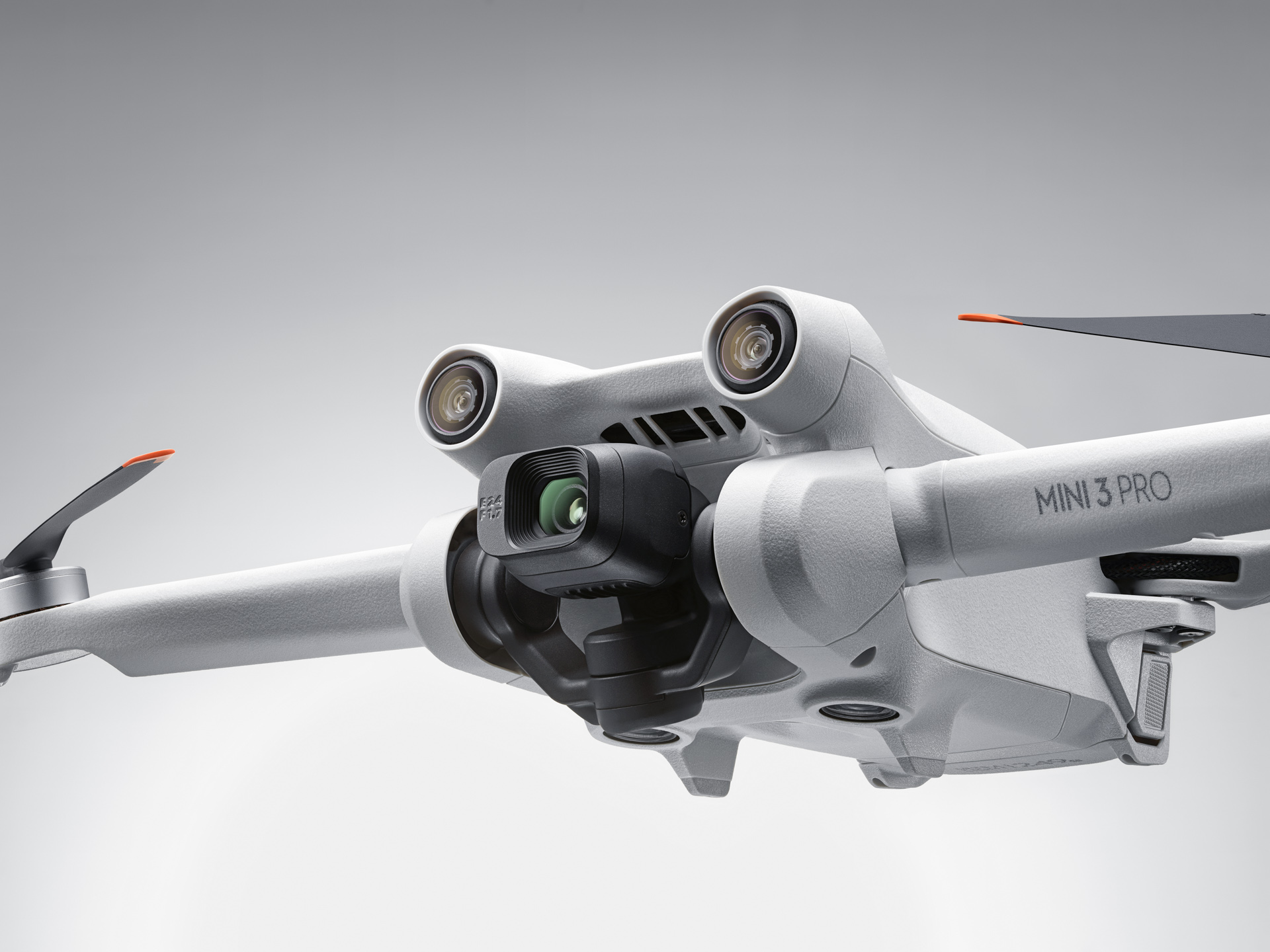
DJI Mini 3 Pro for entry-level professionals
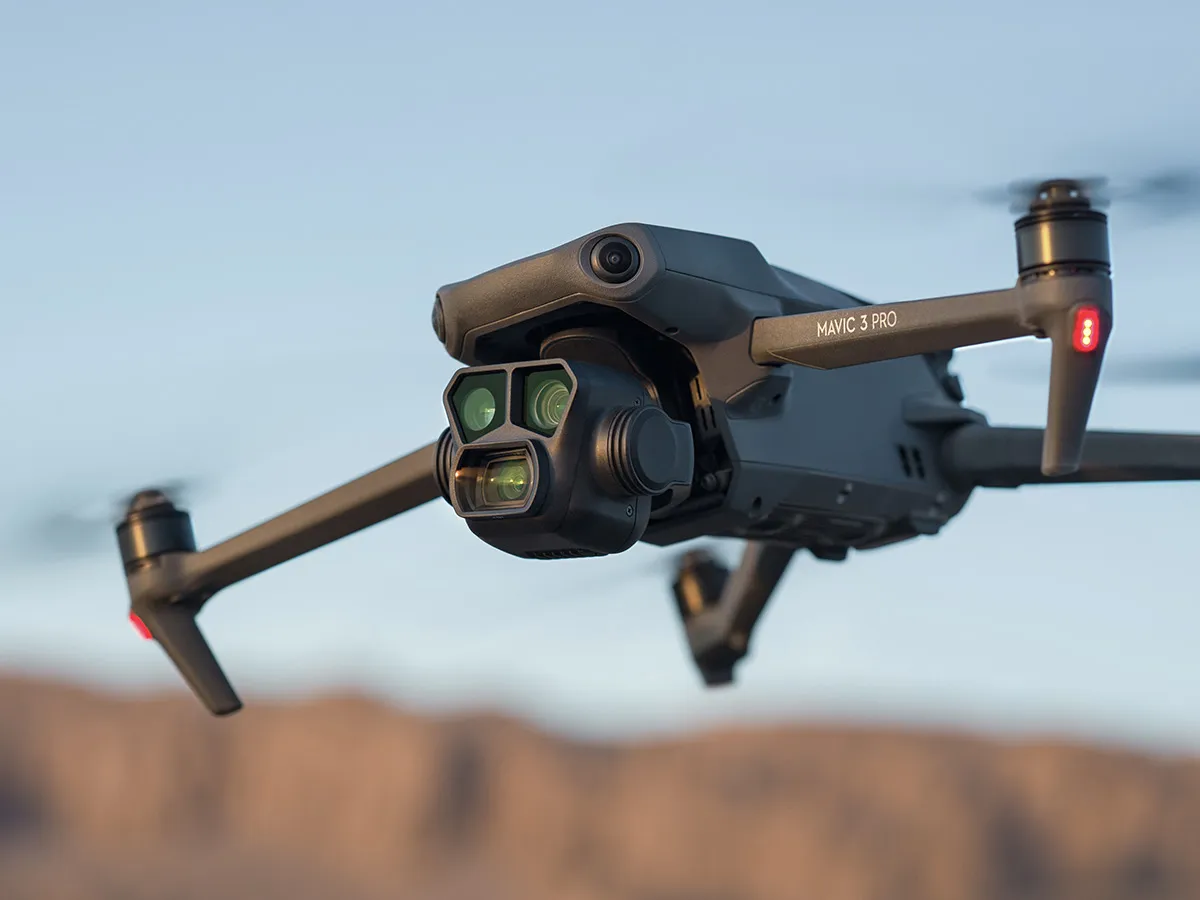
DJI Mavic 3 Pro for high-end commercial professionals
While these drones are excellent performers in general, I’ll explain why I recommend them for drone photography. A comparison of DJI’s three popular small drones—the Mini SE, Mini 2, and Mini 3 Pro—might also interest you.
The Mini 2 is a cost-effective drone that captures images for social media sharing and personal use. It captures 12MP images and records 4K video. Still, the lower price comes with a trade-off: it lacks obstacle avoidance and has a smaller camera sensor, so it performs worse in low light than the Mini 3 Pro and Mavic 3.
It can be packed for that “just in case” moment when shooting with a regular camera, but still want to take aerial photos. It fits into a lens-sized pocket of a camera bag.
Silent, less obvious, and less upsetting to those around it. It’s under 250g, so if it’s just being used for fun, there’s no need to register it.
DJI Mini 3 Pro
DJI chose to make this model a Pro model rather than just the Mini 3 because the Mini 3 Pro offers many improvements over the Mini 2, including a larger sensor (1/1.3 inch). The Mini 3 Pro’s rotating camera, which records vertical footage for sharing on mobile devices, is a highly requested feature from DJI. Additionally, it features three-dimensional obstacle sensors, an upgrade from the two bottom sensors on the Mini 2.
Aside from sensor size, the drone’s upcoming comparison to full-size professional models like the Mavic 3 and Mavic Air 2S is that it records in 8-bit color rather than 10-bit.
DJI Mavic 3 Pro
Compared with other drones on the market, the DJI Mavic 3 offers advanced features, which is why I recommend it for professional drone photography. Its 4/3 sensor makes it ideal for nighttime or low-light photography. Other drone cameras would blow out detail in bright shadows, but dynamic range helps capture it beautifully.
Another bonus that may come as a surprise is that the DJI Mavic 3 is quieter than similarly sized drones. This one has a pleasant, low-pitch hum, unlike most drones, which typically produce high-pitch noise. The Mavic Air 2S is a very close second if you want a professional drone, but the Mavic 3 Pro is too expensive for you. It is a considerably less costly model, though it is older. Thanks to its 1-inch sensors’ 4K resolution, it will continue to perform well in low-light conditions.
Benefits of Drones
The Top 5 Advantages of Drone Technology for Construction Cost Savings.
You can save money on construction projects by using drones.
Better Data = Better Decision-Making.
Improved Arrangement.
Boost the Scalability and Repeatability of Your Operations.
Safety
Conclusion
DJI makes drones, including the Mini 2, Mini 3 Pro, and Mavic 3. In the drone community, DJI is renowned for producing drones that consistently outperform their competitors and remain highly popular among enthusiasts. These DJI drones offer features and quality that have yet to be surpassed by other drone brands, such as Autel Drones, Holy Stone, and Roku.
Due to its compact size and quiet operation, the Mini 3 Pro remains a preferred choice among many professionals, despite the Mavic 3 being the most technologically advanced model. DJI has done a fantastic job of integrating industry-standard features into a compact drone that weighs under 250 grams and requires registration.
FAQ: Is DJI releasing a new drone in 2023?
In a preview event set for October 10 at the German expo and conference INTERGEO 2023, DJI hinted at the release of a new product. The teaser trailer suggests that DJI may introduce a modern drone LiDAR system for surveying and geodesy professionals.
Is drone photography expensive?
Professional drone photographers typically bill by the hour or day; hourly rates range from $50 to $500, depending on the photographer’s experience and service quality—some also bill by the image.
How do I choose a drone for photography?
Only professional drones with 1-inch or larger image sensors should be considered for this purpose. Premium versions with 4/3-inch complementary metal-oxide-semiconductor (CMOS) sensors are available; these sensors can produce detailed photos that are comparable to those from digital single-lens reflex (DSLR) cameras.
Which country is best?
The United States is a nation that has consistently demonstrated its leadership in drone technology. American companies, such as General Atomics, Lockheed Martin, and the Chinese DJI, have led innovation in this field due to their strong R&D departments.
What is next in drone technology?
Drones will be delivering supplies to hard-to-reach locations in the future. They will transport vaccines and medical supplies to inaccessible, hazardous, or remote areas affected by infectious diseases or conflict.
Starting a drone business.
Follow these rules and tips provided by the FAA to operate your drone safely–
Drone Racing 101: A Beginner’s Guide to the Thrilling World of FPV Racing. If you’ve ever dreamed of flying at breakneck speeds, performing jaw-dropping maneuvers, and experiencing the adrenaline rush of a high-stakes race, then FPV (First-Person View) drone racing might be just the sport for you. In this beginner’s guide, discover the thrilling world of FPV racing, breaking down everything you need to know to start your drone racing journey.
What Is FPV Racing?
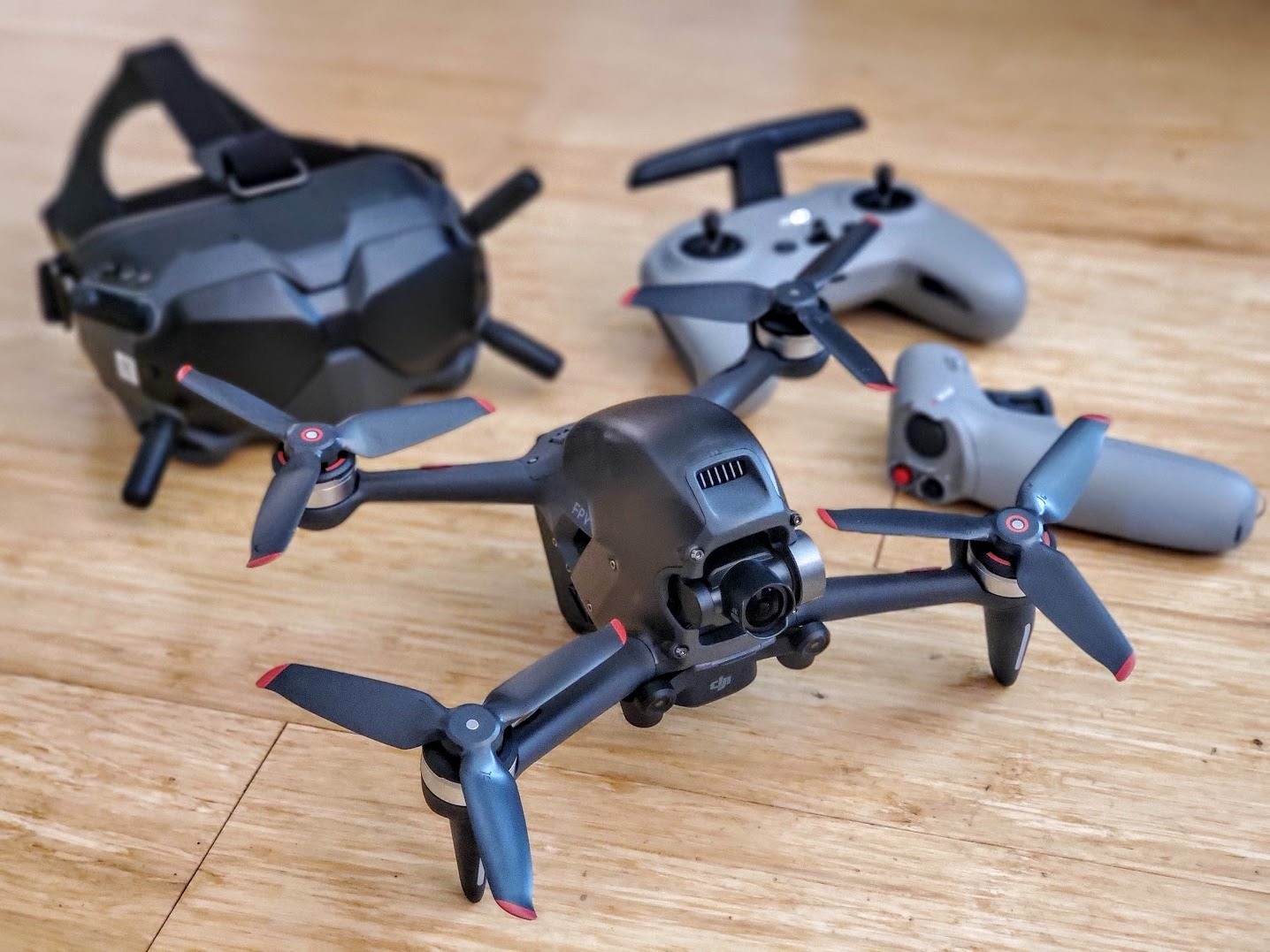
The sport has gained worldwide popularity in recent years. It involves racing small, agile drones through obstacle-filled courses at high speeds while wearing FPV goggles that provide a real-time, immersive view from the drone’s perspective. This sport offers an adrenaline rush, combining piloting skills, strategy, and sheer speed.
Getting Started: Essential Equipment
Before you can hit the track, you’ll need to assemble your gear. Here’s a breakdown of the essential equipment you’ll need to get started in the thrilling world of FPV racing.
Racing Drone
The heart of FPV racing is the drone itself. These specialized drones are built for speed, agility, and durability. While you can buy ready-to-fly (RTF) racing drones, many enthusiasts prefer to develop their custom rigs. Building your drone allows for customization and a deeper understanding of the technology.
FPV Goggles
FPV goggles are your window into the world of drone racing. They provide a live video feed from your drone’s camera, letting you pilot your craft as if you were inside it. Invest in a high-quality pair for the best experience.
Remote Controller
An excellent remote controller is essential for precise control of your racing drone. Look for a controller with a comfortable grip and customizable settings to suit your preferences.
Batteries and Chargers
Racing drones consume significant power, so you’ll need multiple LiPo (Lithium Polymer) batteries and a reliable charger. Be sure to follow safety guidelines when handling LiPo batteries.
Tools and Spare Parts
Building and maintaining your racing drone requires various tools and spare parts. These include soldering equipment, screwdrivers, propellers, and additional components such as motors and Electronic Speed Controllers (ESC).
Racing Track and Gates
If you plan to practice independently, set up a racing track with gates and obstacles to simulate a real-world environment. Many enthusiasts also join local racing clubs or leagues, which often have established racecourses.
Learning to Fly
Once your equipment is ready, learning how to fly like a pro takes time. Here are some tips to get you started.
Simulator Training
Consider using a drone racing simulator before taking your drone out into the real world. These programs offer a risk-free way to practice your piloting skills and learn the basics of drone racing.
Start Slowly
Don’t rush into high-speed racing right away. Begin with slow, controlled flights to assess your drone’s responsiveness and handling. The last thing you want is to damage or lose your drone at the outset.
Master Basic Maneuvers
Practice basic maneuvers, such as hovering, flying in figure-eight patterns, and navigating through gates. These fundamental skills will form the foundation of your racing abilities.
Join a Racing Community
Joining a local racing community or club is a great way to learn from experienced pilots, share knowledge, and gain valuable insights into the sport.
Set Realistic Goals
As a beginner, set achievable goals for yourself. Gradually work your way up to more challenging courses and faster speeds as you become more confident in your abilities.
Racing Etiquette and Safety
Safety should always be a top priority in FPV racing. Here are some essential guidelines and etiquette to follow:
Respect Local Regulations: Always comply with applicable local laws and regulations governing drone operations. This includes height restrictions, no-fly zones, and privacy considerations.
Fly in Designated Areas: Choose designated flying locations and race tracks whenever possible. These areas are typically safer and more accommodating for racing.
Communicate with Others: If you’re racing with others, communicate clearly and coordinate your flights to avoid collisions. FPV goggles can be isolating, so maintaining good communication is crucial.
Safety Gear: Wear goggles, gloves, and even a helmet to protect yourself while racing. Accidents can happen, and minimizing the risk of injury is essential.
Finding the Perfect Flying Location
Finding the ideal flying location can be challenging when you’re new to the thrilling world of FPV racing. You’ll want a place that provides ample space and ensures your safety and the safety of others. Many racers prefer open fields, parks, or even abandoned industrial sites. However, if you’re in a densely populated area or don’t have a suitable flying location nearby, consider other options.
One option is to contact local businesses or service providers with suitable spaces for FPV racing enthusiasts. For instance, you could contact local moving companies, such as getmovedtoday.com, and ask whether they have any large, empty warehouses or facilities available for your use. These spacious indoor environments provide an excellent setting for racing, free from the challenges of outdoor weather.
It’s also worth remembering that partnering with a moving company can be mutually beneficial. They may allow you to use their facility in exchange for exposure, or they might even be interested in sponsoring local FPV racing events. This kind of collaboration can be a win-win situation for both parties, as it benefits the community and promotes local businesses.
Building Your Skills
As you gain experience in the thrilling world of FPV racing, you’ll want to improve your skills continually. Here are some ways to do just that:
Experiment with Different Drones: Try flying various types of racing drones to understand their unique characteristics and find the one that best suits your style.
Learn from the Pros: Watch FPV racing videos and follow professional racers on social media to gain insights into advanced techniques and strategies.
Practice Regularly: Consistent practice is the key to becoming a skilled racer. Dedicate time to honing your skills and improving your lap times.
Attend Races: Participating in local races or larger competitions is an excellent way to challenge yourself and connect with fellow racers. It’s also a chance to showcase your skills and learn from others.
Enter the Thrilling World of FPV Racing
The thrilling world of FPV racing offers an exciting and immersive experience for drone enthusiasts and adrenaline junkies alike. You can dive headfirst into this exhilarating sport with the right equipment, practice, and safety precautions. Remember to start slowly, learn from others, and, most importantly, have fun as you embark on your journey into drone racing.
Capturing Aerial Perspectives: The Art of Drone Photography
Introduction
Capturing Aerial Perspectives: The Art of Drone Photography has revolutionized the way we capture images from above. By using uncrewed aerial vehicles (UAVs), photographers can now explore previously impossible perspectives. In this article, we will delve into the history of drone photography, discuss the benefits of aerial perspectives, and provide valuable insights on capturing stunning shots from the sky.
History of Drone Photography
Drone photography has a fascinating history that dates back to the early 1900s. The first documented use of drones for aerial photography occurred during World War I, when the French military utilized kites equipped with cameras to capture images of enemy territory. Over the years, technological advancements have led to increasingly sophisticated drones, which are now widely used by photographers and videographers. Today, drones have revolutionized how we capture aerial perspectives, enabling us to explore and document the world from new angles.
Benefits of Aerial Perspectives
Aerial perspectives offer unique, breathtaking views that are not possible with traditional photography methods. Drones allow photographers to capture images from high altitudes, providing a new dimension to their work. These elevated angles can showcase landscapes, architecture, and events in a visually striking and captivating way. Additionally, aerial photography can be used for real estate marketing, environmental monitoring, and surveying. With its ability to maneuver and capture images from different angles, drone photography opens up a world of creative possibilities for photographers.
Choosing the Right Equipment
Types of Drones
Several types of drone photography are available on the market. Each type has unique features and capabilities that cater to different photography needs. Some popular types include:
Quadcopters: These drones are the most common and versatile, offering stability and maneuverability.
Hexacopters: With six rotors, these drones offer greater stability and lift capacity.
Octocopters: Ideal for heavy-duty aerial photography, these drones offer enhanced stability and control.
Choosing the right drone type is crucial for capturing stunning aerial perspectives and achieving the desired photographic results.
Camera and Lens Considerations
Several key factors should be considered when selecting a camera and lens for drone photography. First, choosing a drone with a high-quality camera that captures sharp, detailed images is crucial. The right lens is also critical to achieving different perspectives and focal lengths. Wide-angle lenses capture sweeping landscapes, while telephoto lenses are ideal for close-up shots of distant subjects. It’s also important to consider the camera’s sensor size, as larger sensors often produce better image quality. Lastly, investing in filters can enhance your aerial photography by reducing glare and enhancing colors. By carefully considering these camera and lens factors, you can ensure that your drone photography captures stunning, professional-looking images.
Accessories for Aerial Photography
In addition to the drone and camera, several essential accessories can enhance your aerial photography experience. Filters are a must-have accessory as they help control light and reduce glare. Additional batteries are also crucial for extending your flying time. Gimbal stabilizers are essential for capturing smooth and stable footage. Other useful accessories include memory cards with ample storage capacity, propeller guards for added safety, and landing pads to protect your drone during takeoff and landing. Investing in these accessories will significantly improve your aerial photography results.
Techniques for Stunning Shots
Composition and Framing
Regarding composition and framing, drone photography offers a unique perspective, enabling photographers to capture breathtaking images. By positioning the drone at various heights and angles, photographers can create dynamic compositions and manipulate the elements within the frame. It’s essential to consider the rule of thirds and leading lines to enhance the visual impact and guide the viewer’s eye. Additionally, experimenting with different framing techniques, such as aerial close-ups or wide-angle shots, can add depth and dimension to the photographs. By mastering the art of composition and framing, photographers can create stunning aerial images that truly stand out.
Lighting and Weather Conditions
For drone photography, lighting and weather conditions are crucial for capturing stunning aerial shots. Proper lighting can enhance the colors and textures of the landscape, while dramatic weather conditions, such as clouds, fog, or golden-hour sunlight, can add depth and drama to the images. It’s essential to monitor the weather forecast and plan your flights accordingly. Additionally, understanding how different lighting conditions affect your camera settings and exposure is necessary for achieving the desired results. Whether it’s the soft glow of sunrise or the vibrant hues of sunset, mastering the art of capturing the perfect lighting and weather conditions will elevate your drone photography to new heights.
Flight Planning and Safety Measures
When planning flights for drone photography, several key considerations are essential. First and foremost, it is crucial to familiarize yourself with the local regulations and airspace restrictions. This will help ensure you fly your drone safely and legally. Additionally, it is essential to assess the weather conditions before each flight. Strong winds, rain, or extreme temperatures can affect your drone’s stability and performance. Creating a pre-flight checklist helps you stay organized and ensures you have all the necessary equipment and batteries before departure. Lastly, safety must always be prioritized by maintaining a safe distance from people, buildings, and other aircraft. By following these flight-planning and safety measures, you can capture stunning aerial shots while minimizing risk.
Post-Processing and Sharing
Editing and Retouching
In drone photography, editing and retouching are crucial in enhancing the captured aerial images. After capturing stunning shots from the sky, photographers can utilize various software tools to improve their photos. Adobe Photoshop and Lightroom are popular tools for editing drone photos, enabling photographers to adjust exposure and color and remove unwanted elements. Additionally, retouching techniques can enhance details and create a polished look. Photographers must strike a delicate balance between improving the image and preserving its natural beauty. By using these editing and retouching techniques, drone photographers can elevate their aerial shots, creating breathtaking visuals that captivate viewers.
Social Media and Online Platforms
In today’s digital age, social media and online platforms play a crucial role in sharing and showcasing drone photography. Platforms like Instagram, Facebook, and Flickr provide photographers with a broad audience and a means to connect with other enthusiasts. It is essential to optimize your images for these platforms by resizing and compressing them without compromising quality. Additionally, consider creating a portfolio website or blog to display your work and attract potential clients. Always credit the original photographer and comply with copyright laws when sharing images online.
Copyright and Legal Considerations
Regarding drone photography, it is essential to be aware of copyright and legal considerations. Before flying your drone, research and understand the local regulations. Some countries may require you to obtain a license or permit for commercial drone photography. Additionally, be mindful of privacy laws and respect people’s personal space. Getting permission when capturing images of private property or individuals is also crucial. By following these guidelines, you can enjoy the art of drone photography while staying within the legal boundaries.
Conclusion
In conclusion, drone photography has revolutionized the way we capture aerial perspectives. With the right equipment and techniques, photographers can capture stunning shots from unique angles and heights. The benefits of aerial perspectives are undeniable, offering a fresh and compelling perspective. From the history of drone photography to the post-processing and sharing of images, this article has explored the various aspects of this art form. Whether you’re a professional photographer or an amateur enthusiast, exploring drone photography can unlock a new world of creative possibilities.
Enhance Your Move with Drones: Capturing Unique Aerial Perspectives. Drones, once a novelty, are now becoming a pivotal tool in redefining relocation experiences. Whether surveying new properties, monitoring the moving process, or ensuring the safe transport of belongings, you can enhance your move with drones for unprecedented efficiency and ease!
Pre-Move Surveying
Pre-move surveying is a fantastic way to enhance your move with drones. You gain a comprehensive view of your new area by taking drone photos. This aerial perspective is invaluable for planning and decision-making. It helps identify potential issues, such as narrow access roads or overhead obstructions. That also aids in visualizing space, which is essential for furniture placement and landscaping ideas.
Additionally, these photos can be used to document the condition of rental properties, providing an apparent reference for future comparisons. The ease of capturing such images enables quick, efficient surveying without requiring a physical presence. That is especially useful for long-distance relocations, where in-person visits aren’t always feasible.
Planning Your Move with Aerial Footage
Pre-planning with aerial footage offers a unique advantage in organizing and executing your relocation. This innovative approach allows you to visualize the journey from a bird’s-eye view. With such detailed imagery, identifying the best routes becomes easier, ensuring a smooth transit of your belongings. Based on this, you can find the best long-distance movers for your move, like choosing movers in Las Vegas over other companies in your area. Aerial footage also helps assess access points at your new location, which is vital for movers. By sharing these visuals with moving companies, you can get more accurate quotes and services tailored to your needs. This method proves particularly beneficial for intricate or large-scale moves. Plus, the footage helps preemptively address potential obstacles, minimizing delays on relocation day.
Using Drones for Inventory Management
Using drones for inventory management is another innovative approach. These flying devices, equipped with cameras, offer a new perspective on cataloging items. With their aerial view, drones can swiftly capture images of your belongings. This efficient method reduces the manual effort typically involved in inventory tasks. Drones help organize and track items throughout a relocation by creating a visual record of the process. That is especially useful for large relocations with a high number of items. Drones can quickly scan and record the condition of your possessions, providing a helpful reference. That helps ensure everything is accounted for upon arrival.
Enhancing Security
Enhancing security during relocation is crucial, and drones offer a novel solution. By incorporating drones, you can oversee the entire process with more vigilance. When deployed, these devices provide a live feed of activity on your property. This real-time surveillance ensures that your belongings are transported safely and securely. Schedule regular aerial checks during relocation to optimize your drone use. This proactive approach helps identify and address any security concerns promptly. They can also monitor the surroundings of your old and new homes, adding an extra layer of security. Their presence acts as a deterrent to potential trespassers or mishandling!
Drones in Packing and Unpacking
Integrating drones into the packing and unpacking process is an innovative approach. While they can’t physically pack boxes, they play a crucial role in overseeing the process. They provide an aerial view, ensuring everything is organized and accounted for. This perspective is constructive when arranging items in trucks or storage units. Furthermore, they can document the condition of items before and after the relocation. Verified Movers reviews suggest that this can be useful for moving insurance purposes or in the event of disputes. However, you should only use drones if you have some experience piloting them to avoid damaging your belongings. Experienced operators can maneuver these devices skillfully, avoiding any mishaps.
Real-Time Monitoring of the Moving Process
Real-time monitoring of the moving process is a significant advancement. With a drone’s ability to stream live footage, you can enjoy a dynamic view of the entire moving operation. That is especially beneficial for tracking your belongings during transit. You can quickly identify and address issues, such as delays or route changes, by monitoring in real time. This level of oversight ensures that things progress smoothly and according to plan. At the same time, real-time monitoring provides peace of mind. Knowing you can monitor your items at any time provides an added layer of security and peace of mind. It’s also helpful in coordinating with movers, as you can guide them remotely.
Navigating Hard-to-Reach Places
Navigating hard-to-reach places is a common challenge in moving, and drones offer a practical solution. These agile devices can access areas that are otherwise difficult for people to reach. This capability is invaluable for inspecting a property’s attics, roofs, or secluded parts. Drones can swiftly survey these spots, ensuring nothing is overlooked or left behind. They also help assess potential risks and identify any repairs needed in such areas.
Furthermore, this technology isn’t just limited to the moving process. You can also use drones for real estate marketing, such as showcasing your property. Aerial footage showcases your property from unique angles, making it stand out in listings. This visual appeal can attract potential buyers and increase the property’s perceived value!
Drones for Post-Move Activities
Drones prove invaluable not only during the move but also in post-move activities. Once you’ve settled in, drones can assist in surveying your new property. They provide an aerial view to help plan landscaping or identify maintenance needs. This bird’s-eye perspective benefits large properties, where manual inspection can be time-consuming. Drones can also help check the condition of the roofs and gutters, which are often inaccessible.
Additionally, if you’re planning any renovations, drones can help monitor progress and ensure everything is on track. They’re also great for capturing before-and-after shots of your property, showcasing the transformation of your new home. Furthermore, if you move to an unfamiliar area, you can use a drone to explore the neighborhood from a safe distance.
Final Thoughts on How to Enhance Your Move With Drones
By embracing the future of relocation, drones have proven to be more than flying cameras. They offer a new dimension of convenience and oversight in the moving process. As you continue to enhance your drone-based move, the once-daunting relocation task becomes a more manageable and innovative experience.
Starting a drone business can be both exciting and profitable. With the proper knowledge and planning, you can turn your passion for flying drones into a successful venture. This guide will help you understand the drone business landscape, navigate legal requirements, identify your niche, and establish your business effectively.
Key Takeaways
Understand the current trends and future potential in the drone market.
Obtain the necessary certifications, such as FAA Part 107, to operate legally.
Select a niche that aligns with your skills and interests for greater success.
Develop a comprehensive business plan to guide your operations and attract potential investors.
Focus on marketing and building strong customer relationships to drive business growth.
Understanding the Drone Business Landscape
Current Market Trends
The drone industry is rapidly evolving, with new technologies and improvements shaping its future. Here are some key trends:
Increased Use of AI: Drones are becoming more sophisticated, using artificial intelligence to analyze data and make informed decisions.
Diverse Applications: Drones are now used across agriculture, real estate, and construction.
Market Growth: Experts predict the drone market could grow by more than 20% annually.
Opportunities and Challenges
Starting a drone business comes with both opportunities and challenges:
Opportunities:
Expanding market demand for drone services.
Potential for innovative business ideas.
Ability to serve various industries.
Challenges:
Navigating complex regulations.
Keeping up with technological advancements.
Competition from established businesses.
Future Growth Projections
The future looks bright for the drone industry. Here are some projections:
The market is expected to reach $48.88 billion by 2023.
Job creation in the drone sector is expected to exceed 103,776 jobs by 2025.
The economic impact of drones is projected to be over $82.1 billion between 2015 and 2025.
As you explore the booming drone industry, remember that there’s a path to profitability. This guide will help you navigate the steps to launch and grow a successful drone business.
Legal Requirements and Certifications
Starting a drone business requires understanding and complying with the legal requirements and certifications required to operate safely and legally. Here’s what you need to know:
FAA Part 107 Certification
To legally fly a drone for business in the U.S., you must obtain the FAA Part 107 certification. This certification demonstrates your understanding of the rules and safety measures for operating drones. Here are the steps to get certified:
Study for the exam: Allocate approximately 15-20 hours for preparation.
Register with IACRA: Create an account with the FAA’s electronic application system.
Choose a testing center: Find a local FAA-approved center and schedule your exam.
Take the exam: You must score at least 70% to pass.
Submit your score: After passing, finalize your application on IACRA.
Receive your certificate: You will receive a temporary certificate within a week and a permanent one within 1-3 months.
State and Local Regulations
In addition to federal rules, you must also comply with state and local regulations. These can vary widely and may include:
Restrictions on flying heights.
Privacy laws regarding flying over private property.
Local permissions are required for commercial operations.
Insurance and Liability
Having the right insurance is crucial for protecting your business. Here are the two main types of drone insurance:
Drone Liability Insurance: Covers damages or injuries caused by your drone operations.
Drone Hull Insurance: Protects your drone and equipment from damage or loss.
Understanding and following these legal requirements is essential for running a successful drone business. Compliance not only protects you but also builds trust with your clients.
By ensuring you have the necessary certifications and insurance, you can focus on growing your business while staying within the law. This guide outlines the essential steps to start a successful drone business in 2024, emphasizing the importance of obtaining FAA certification and identifying a niche market. It emphasizes regulatory compliance, the acquisition of high-quality equipment, and a thorough understanding of the target market’s needs. The article serves as a comprehensive resource for aspiring drone entrepreneurs, detailing necessary licenses, training, and effective marketing strategies to thrive in a competitive industry.
Choosing Your Drone Business Niche
Finding the right niche for your drone business is crucial for success. Identifying a specific area of focus can help you stand out in a crowded market. Here are some popular niches to consider:
Popular Niches in the Drone Industry
Aerial Photography: Great for capturing stunning images for events, real estate, and marketing.
Agricultural Monitoring: A valuable tool for farmers to assess crop health and manage resources effectively.
Construction Site Inspections: Helps track progress and ensure safety on job sites.
Evaluating Market Demand
To ensure your chosen niche is viable, conduct market research. Here’s how:
Analyze Local Competition: Look at what other drone businesses are offering in your area.
Identify Customer Needs: Understand the services potential clients are seeking.
Check Industry Trends: Stay up to date on emerging technologies and regulations that could affect your niche.
Aligning with Personal Interests and Skills
Choosing a niche that aligns with your interests can lead to greater satisfaction and success. Consider:
Your existing skills: What are you good at?
Your passions: What do you enjoy doing?
The market demand: Is there a need for your services?
Finding the right niche is not just about what’s popular; it’s about what you can do best and what excites you.
By carefully selecting your niche, you can position your drone business for growth and success in the competitive landscape.
Setting Up Your Drone Business
Starting a drone business involves several essential steps to ensure you are set up for success. Choosing the right niche and having the right equipment are crucial. Here’s how to get started:
Business Structure and Registration
Choose a Business Structure: Decide whether to operate as a sole proprietorship, an LLC, or a corporation. Each has different legal and tax implications.
Register Your Business: After choosing a structure, register your business name with the relevant state and local authorities.
Get an Employer Identification Number (EIN): If you plan to hire employees or need it for tax purposes, apply for an EIN from the IRS.
Essential Equipment and Software
To operate effectively, you need the right tools:
Drones: Select drones that suit your niche, such as those equipped with high-resolution cameras for photography or specialized sensors for agriculture.
Software: Invest in software for flight planning, data analysis, and customer management.
Insurance: Obtain liability insurance to protect against accidents or damages.
Website: Develop a professional website that showcases your services and portfolio.
Social Media: Set up profiles on platforms such as Instagram and Facebook to engage potential clients.
Branding: Create a logo and tagline that reflect your business identity.
Setting up your drone business requires careful planning and execution. By following these steps, you can establish a solid foundation for your venture in the drone industry, ensuring you are well-prepared to capture the skies and meet client needs effectively.
Marketing and Growing Your Drone Business
Developing a Marketing Strategy
To successfully market your drone business, you need a solid plan. Here are some key steps to consider:
Identify Your Target Audience: Understand who your potential customers are and what they need.
Choose Your Marketing Channels: Decide where to promote your services, including social media, websites, and local events.
Create Engaging Content: Share interesting photos and videos of your drone work to attract attention.
Networking and Partnerships
Building connections is essential for growth. Here are ways to network effectively:
Attend industry events and meetups to meet potential clients.
Collaborate with other businesses for mutual benefits.
Join online forums and groups related to drones to share knowledge and opportunities.
Continuous Learning and Innovation
Staying up to date is crucial in the fast-paced drone industry. Consider these actions:
Attend workshops and training sessions to enhance your skills and expertise.
Follow industry trends to adapt your services accordingly.
Invest in new technology to improve your offerings.
Remember, marketing is not just about selling; it’s about building relationships and trust with your clients.
By focusing on these strategies, you can effectively promote your drone services and expand your business in this rapidly growing industry. This guide will help you understand the drone industry, generate profitable drone business ideas, and start your drone-related venture.
Financial Planning and Management
Estimating Startup Costs
Starting a drone business requires careful financial planning and management. Here are some key costs to consider:
Drones and Equipment: Drone costs can vary widely depending on capabilities. Expect to spend between $500 and $10,000.
Software: You may need software for editing, mapping, or managing flights, which can cost between $100 and $1,000.
Marketing: Allocate a budget of $200 to $2,000, depending on your strategy.
Expense Category
Estimated Cost
Drones and Equipment
$500 – $10,000
Software
$100 – $1,000
Marketing
$200 – $2,000
Pricing Your Services
Setting the correct prices for your services is crucial. Consider these factors:
Market Rates: Research what competitors charge for similar services.
Service Value: Ensure your prices reflect the quality and uniqueness of your services.
Client Budget: Understand what your target clients are willing to pay.
Managing Cash Flow
To keep your drone business running smoothly, effective cash flow management is essential. Here are some tips:
Track Your Income and Expenses: Utilize accounting software to manage your finances effectively.
Set Payment Terms: Determine billing terms that work for you and your clients, such as net 30 or prepayment.
Plan for Slow Periods: Save money during busy periods to cover expenses when business slows.
Managing your finances well is key to ensuring your drone business thrives. Stay organized and proactive to avoid financial pitfalls.
Providing Exceptional Customer Service
Training and Certification for Staff
To ensure your team provides top-notch service, invest in training and certification. This helps them understand the technical aspects of drone operations and customer interaction. Here are some key points to consider:
Regular Training Sessions: Schedule ongoing training to keep skills sharp.
Certification Programs: Encourage staff to obtain relevant certifications.
Safety Protocols: Educate staff and clients on safety measures to protect both parties.
Ensuring Safety and Compliance
Safety is crucial in the drone business. Following safety measures not only protects your team but also builds trust with clients. Here’s how to ensure safety:
Pre-flight Checks: Always check drones and equipment before flights.
Emergency Preparedness: Train your team on emergency procedures and conduct regular drills to ensure they are well-equipped and prepared.
Adhere to Regulations: Stay informed about FAA regulations and local laws.
Building Long-term Client Relationships
Creating lasting relationships with clients is essential for repeat business. Here are some strategies:
Clear Communication: Keep clients informed about project progress.
Quick Responses: Address client inquiries and concerns promptly and effectively.
Follow-up: Check in after projects to gather feedback and improve services.
Building strong relationships with clients leads to repeat business and referrals, which are vital for growth in the drone industry.
At Sky View LV, we believe that outstanding customer service is key to a great experience. Our team is committed to ensuring you feel valued and supported throughout the entire process. Whether you have questions or need assistance, we’re here for you! Visit our website today to learn more about our services and how we can help you capture stunning aerial photography!
Final Thoughts on Launching Your Drone Business
Starting a drone business can be an exciting journey filled with opportunities. To succeed, remember these essential steps: First, do your homework to understand the market and find your niche. Next, ensure you have the necessary licenses and comply with the relevant regulations to operate legally. Invest in good equipment and get proper training to ensure safety and quality. Promote your services online and deliver exceptional customer service to establish trust with clients. Lastly, continue learning and adapting to new industry trends. If you love drones and are ready to work hard, now is a great time to start your own drone business!
Frequently Asked Questions
What are the costs to start a drone business?
Starting a drone business can cost between $6,500 and $13,200 for basic setups, while advanced setups may range from $17,700 to over $37,500.
Is running a drone business profitable?
Yes, many drone businesses can be profitable, especially if you find a niche with high demand.
How do I get certified to fly drones?
To operate drones commercially, you need to pass the FAA Part 107 certification exam.
What types of insurance do I need for my drone business?
You should obtain liability insurance to cover accidents and damages arising from your drone operations.
Can I run a drone business part-time?
Yes, many people start drone businesses as a side job while maintaining their full-time jobs.
What common mistakes should I avoid in a drone business?
Avoiding market research, skipping insurance, and underestimating startup costs.